

Hong Kong
Hong Kong has been on my travel list for years. Somehow, I just never got around to visiting… until now.
When I finally booked my ticket, I was so excited (and a bit overwhelmed), because Hong Kong is one of those places that hits you with a lot of energy all at once. But after four days of exploring, photographing, and getting lost in tiny alleys, I learned to appreciate it.
Hong Kong ended up becoming one of my all-time favourite places for photography!
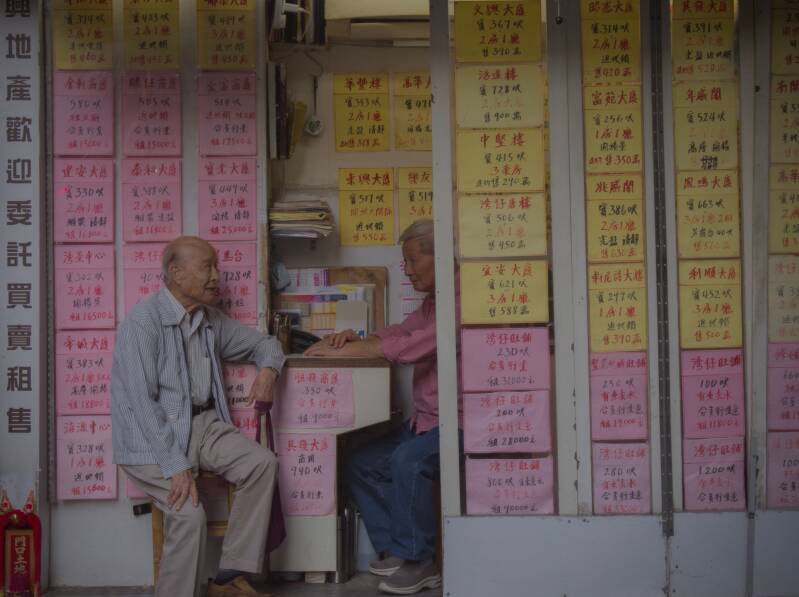
When to Visit
I visited in November, and I honestly think it’s one of the best months of the year to come. The weather was perfect, warm during the day, cool at night, low humidity, and that “I can actually breathe while walking up a hill” feeling.
But here’s a quick month-by-month breakdown so you can choose what fits your travel style:
October-December (Best Time to Visit)
Pros:
-
Comfortable temperatures (18–26°C)
-
Low humidity
-
Clear skies
-
Perfect for hiking, photography, and city exploration
Cons:
-
More tourists
-
Hotels can be more expensive around Christmas
January-March
Pros:
-
Cooler, around 14–20°C
-
Lunar New Year celebrations (though crowded)
-
Great time for cultural festivals
Cons:
-
Can be cloudy and grey
-
Some days feel cold because Hong Kong apartments rarely have heating
April-June
Pros:
-
Warm and lush, the city looks very green
-
Fewer tourists compared to winter
Cons:
-
Rainy season
-
Humidity ramps up
-
Sudden downpours
July-September
Pros:
-
Cheapest period for flights
-
Lots of summer events
Cons:
-
VERY humid (your camera fogs up instantly)
-
Typhoon season
-
Temperatures often hit 32–35°C
-
Outdoor activities become… sweaty
Where to Stay
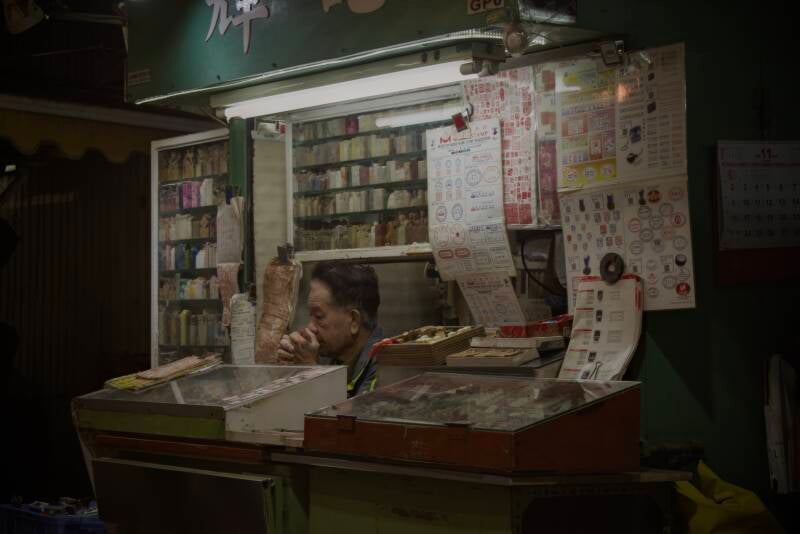
I stayed in Causeway Bay, and for first-timers this neighbourhood is spot on. It’s a very lively and sprawling area that has everything: food, nightlife, cafés, shopping streets, markets, and great connections to the rest of the city. It’s busy but not overwhelming, a good “soft landing” for Hong Kong.
Because I was travelling on a budget, I stayed at Hi Backpackers Hostel. Was it the best? Not really.
Was it fine? Yes, Hong Kong is expensive, so I couldn’t expect much more.
If you want comfort or privacy, look for hotels in Causeway Bay, Wan Chai, or Sheung Wan. If you’re fine with hostel life, this neighbourhood is still a great base.
Where to Eat in Hong Kong (From a Non-Foodie)
Okay, confession: I’m not a foodie. If you’re here for restaurant recommendations… I’m sorry in advance.
Hong Kong is expensive, honestly one of the more expensive places I’ve visited, comparable to Singapore. Hotels cost a lot, and meals add up quickly too. Most restaurants I came across were around 8-9 USD per dish (except when you know where the locals go), which doesn’t sound terrible until you’re on a budget for several days straight.
So… I survived on 7-Eleven. Meals were around 2–3 USD, and that felt much more manageable.
But, and this hurts to say, 7-Eleven in Hong Kong is not on the same level as Thailand, Japan, or Taiwan. The selection is smaller, and the food is a bit of a letdown compared to what I’m used to from Asia’s convenience-store royalty. But hey, budget life.
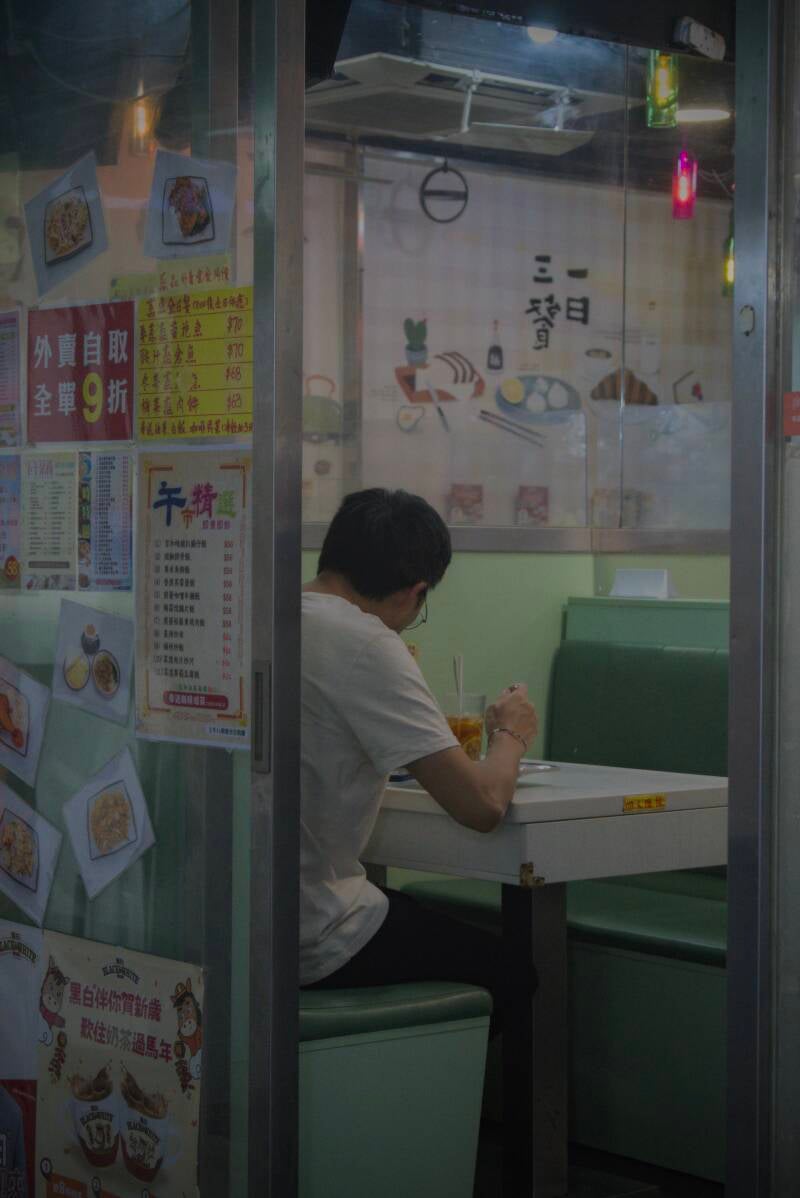
If you want cheaper local food, follow the locals into smaller cha chaan tengs (local diners). Those seemed to be the best affordable option.

How to Get From the Airport to Hong Kong City
Super easy: take the Airport Express train (stops at Tsing Yi Station, Kowloon Station, and Hong Kong Station).
-
You’ll see the ticket counters right after you pass customs (near the baggage hall exit).
-
You can also buy tickets later in the main hall or even at your arrival station.
-
There are no entry gates, only exit gates at your final stop.
-
A ticket to Hong Kong Station costs 130 HKD.
-
Clean, fast, comfy, and you avoid all traffic (around 20-30 minutes to the city).
From Hong Kong Station you can easily transfer to the MTR to reach Causeway Bay or wherever you’re staying.
How to Get Around Hong Kong
Hong Kong might be chaotic on the surface, but the transportation system is very organised. Luckily, Google Maps (unlike Mainland China) still works perfectly here!
MTR
The subway. Fast, clean, and connects most major areas. Not all areas are connected yet, but they’re expanding the network.
-
Runs across Hong Kong Island, Kowloon, New Territories, and even to Disneyland
-
Very frequent (every 2–4 minutes)
-
Clean, efficient, and air-conditioned
-
Accessible with Octopus card, single-trip tickets, and credit cards
-
Adult fares range from HK$3.50 to $51.00 (US$0.45-6.54).
Buses (Double-Decker + Regular)
Hong Kong has a HUGE bus network, often more extensive than the MTR.
Why buses are great:
-
They reach areas the metro doesn’t
-
They’re cheaper
-
The double-deckers give amazing views
Important notes:
-
Fares depend on distance
-
Octopus is accepted on all buses
-
Enter at the front, exit at the back
-
Make sure you press the button BEFORE your stop, they don’t automatically stop
Minibuses
There are two types, and people always mix them up, so here’s the clearest explanation:
Red Minibuses:
-
More flexible (no fixed time schedule)
-
Route and fare vary
-
Mostly accept cash
-
Can stop more freely along the route
- Often run late into the night
- More 'local experience', but chaotic
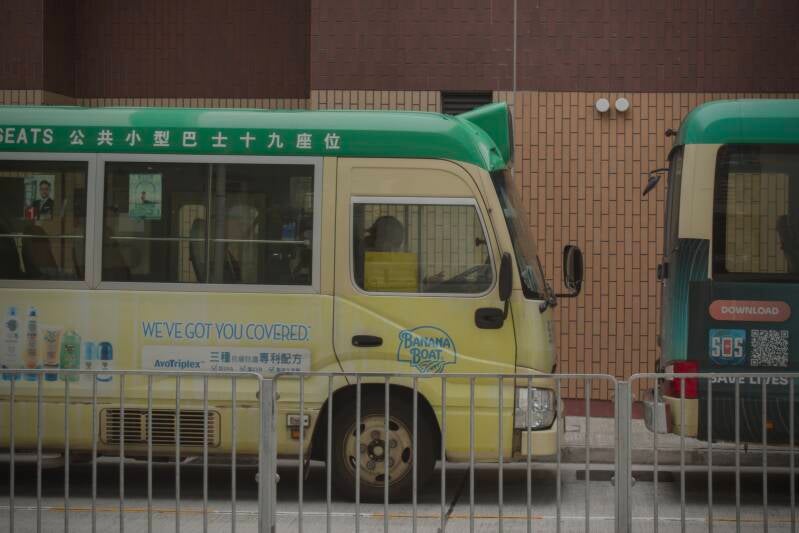
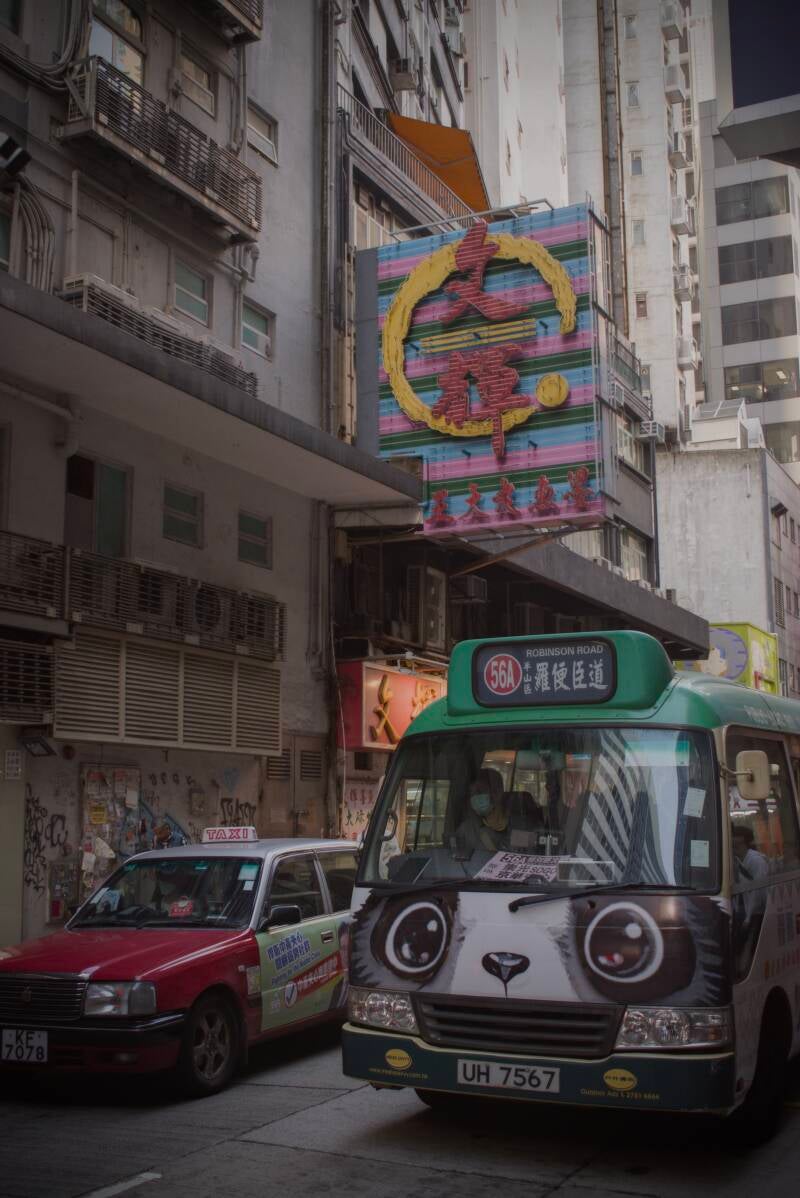
Green Minibuses:
-
Fixed routes
- Set schedule
- Very reliable
-
Exact fares
-
Accept Octopus cards and exact cash
Taxis
Old-school and everywhere. A bit more expensive than public transport, but useful if you’re tired or heading somewhere not well connected. Uber exists but isn’t fully integrated, so taxis are often easier.
-
Affordable compared to Europe
-
Everywhere
-
Easy to flag down
-
Good alternative at night when MTR closes
-
Colour = region
-
Red: Hong Kong Island & Kowloon
-
Green: New Territories
-
Blue: Lantau Island
-
Most prefer cash, but some accept cards or Octopus.
Ding Ding Tram
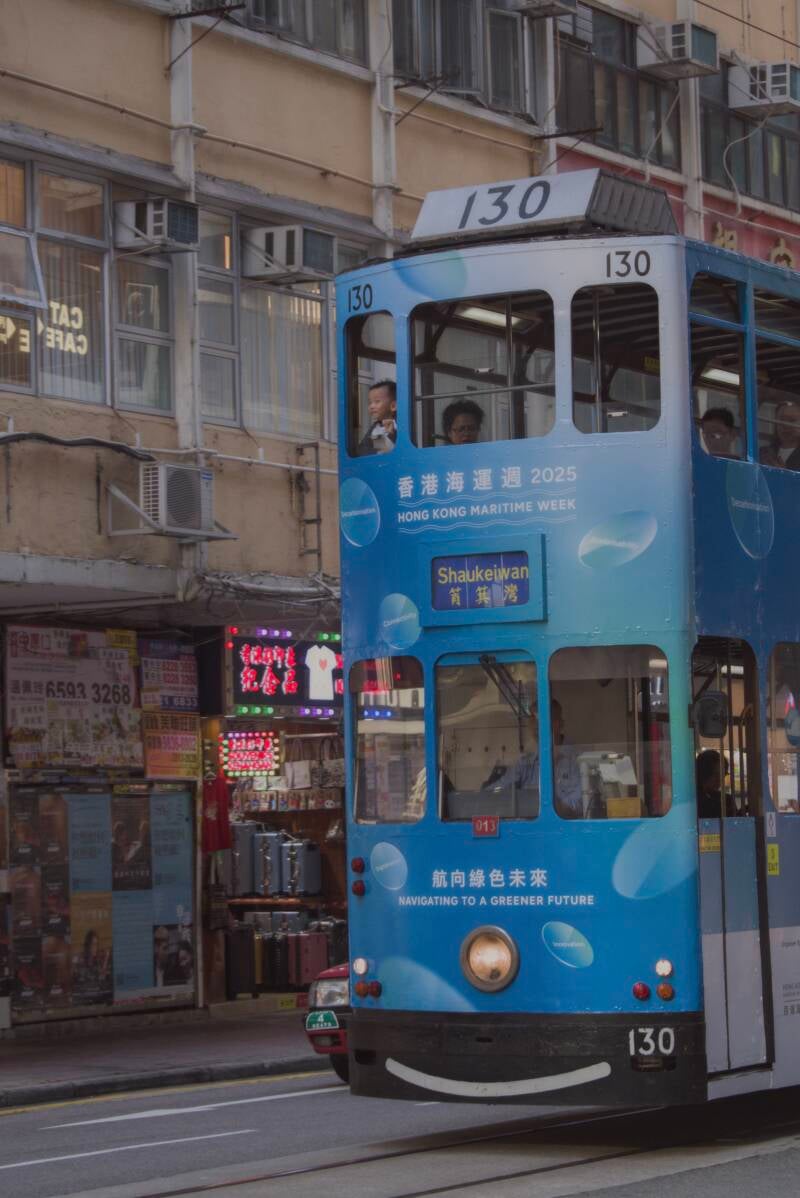
The iconic double-decker tram that runs along the north side of Hong Kong Island. Runs east–west from Kennedy Town to Shau Kei Wan, and also a loop through Happy Valley.
-
Enter at the back
-
Exit at the front and pay there
-
Fixed price (around 3 HKD)
-
Accepts Octopus, cash, cards
-
Slow but charming, a fun way to see the city
Ferries
Especially:
-
Star Ferry between Tsim Sha Tsui and Central/Wan Chai (super cheap and iconic)
And ferries for day trips to:
-
Lamma Island
-
Cheung Chau
-
Lantau Island
My 3-Day Hong Kong Itinerary
Day 1: Arrival & Causeway Bay Exploration
I arrived around 14:30, checked into my hostel, and still had the whole afternoon to explore my neighbourhood. Causeway Bay is full of energy, charm, and a bit of chaos in the best way.
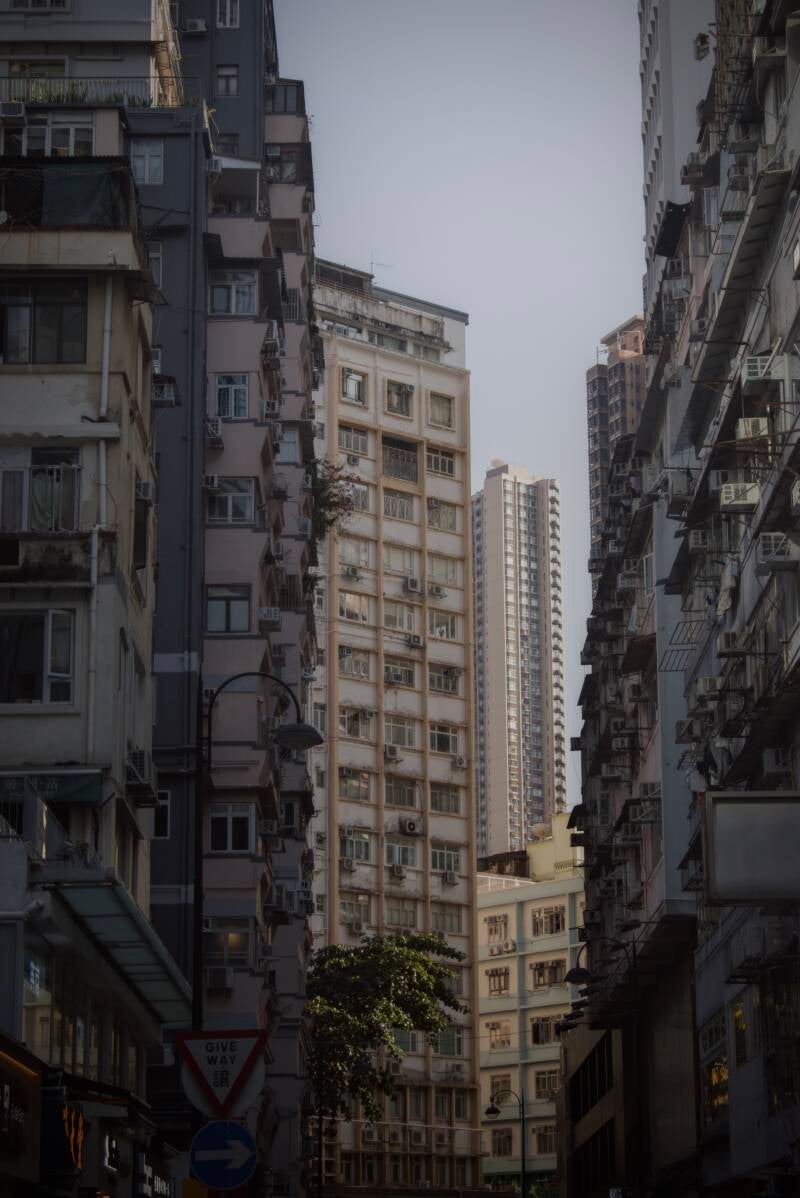
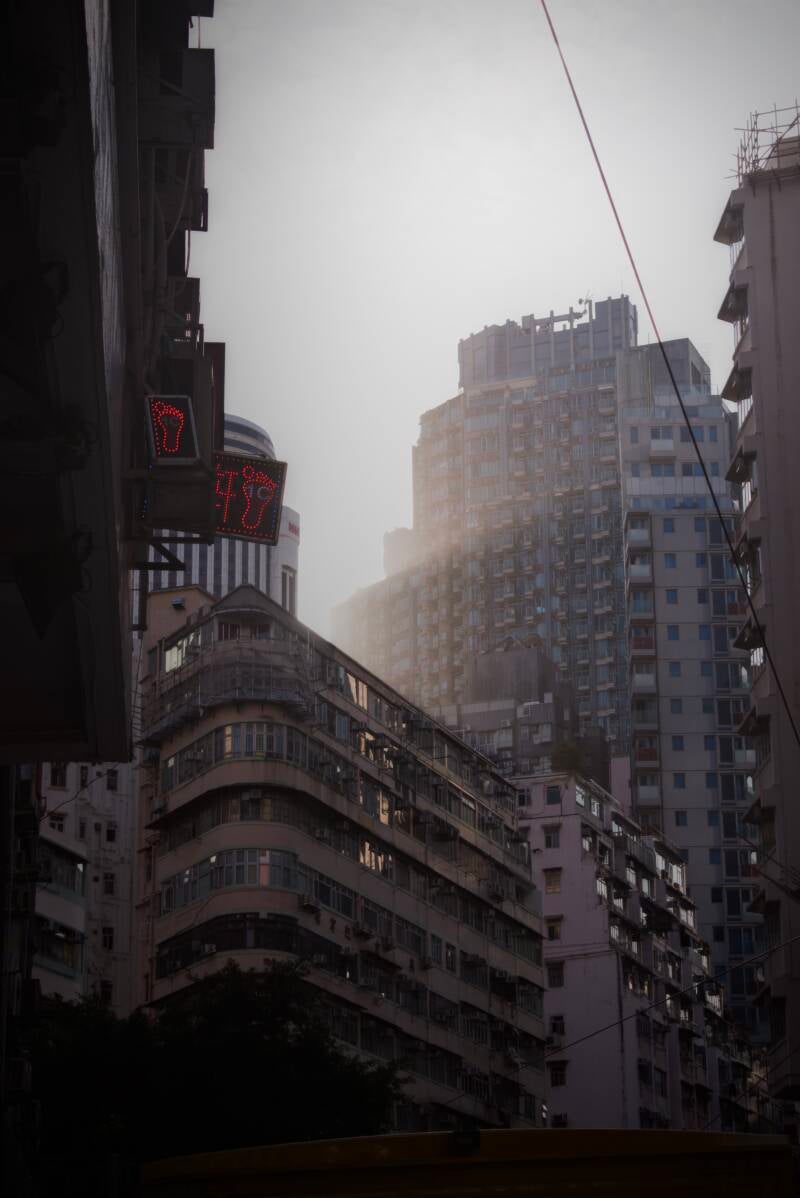
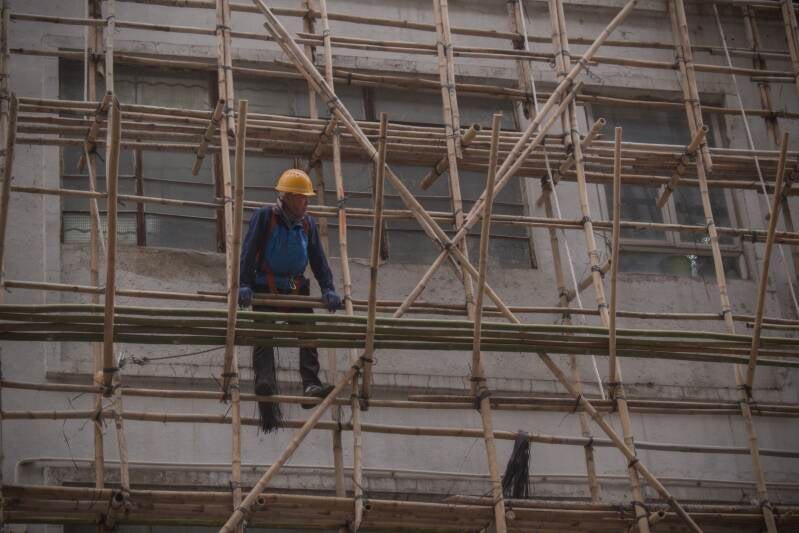
It’s one of those places where old apartments with laundry hanging outside sit next to bright neon signs and glossy malls. A lot of buildings still use the famous bamboo scaffolding, which gives everything that unique Hong Kong look (although it’s being phased out due to accidents, so it might disappear in the next few years).
Instead of planning too much, I just walked.
-
Wandered through little side streets
-
Watched Ding Ding trams go past on Hennessy Road
-
Bought random snacks (cheap egg waffles YUM!)
-
Took pictures of buildings that look too thin to be real


Hidden Gems in Causeway Bay & Wan Chai
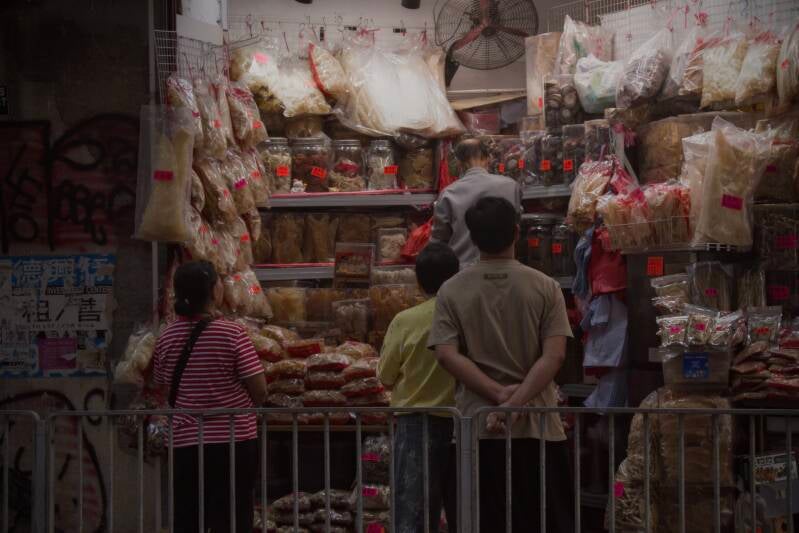
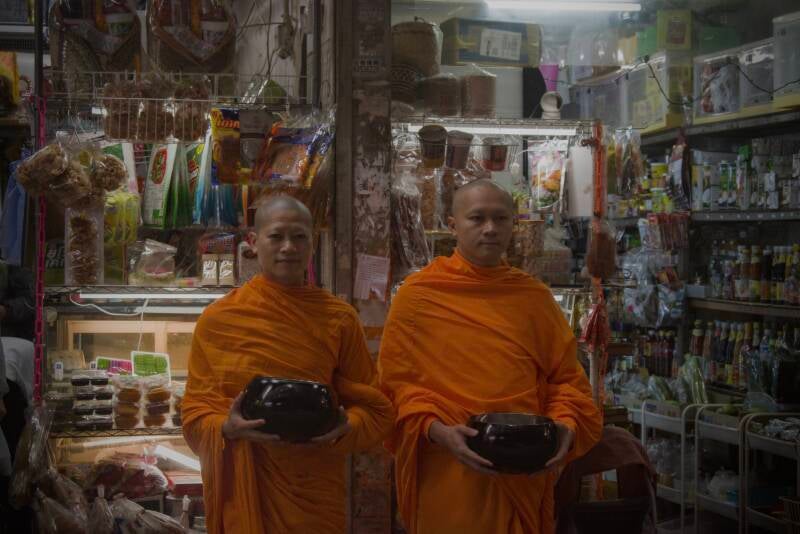
- Wan Chai Market: Streets and streets of fruit stalls, vegetable sellers, meat shops, and tiny trinket stores. It feels like old Hong Kong and is perfect for photography.
Overall, Day 1 was the perfect warm-up: vibrant but manageable.
Day 2: Monster Building, Man Mo Temple & Central
Morning: Monster Building
Yes, the “Monster Building”, actually five interconnected blocks housing around 10,000 people. It’s iconic for its dense, stacked architecture, and honestly, standing in that courtyard looking up feels suffocating. It’s crowded, chaotic, and fascinating all at once. A reminder that Hong Kong is one of the most densely populated places in the world. You can enter the courtyards through little gates through the front of the building.
Be respectful here, too, this is a residential complex, not a tourist attraction.


Afternoon: Man Mo Temple & Central
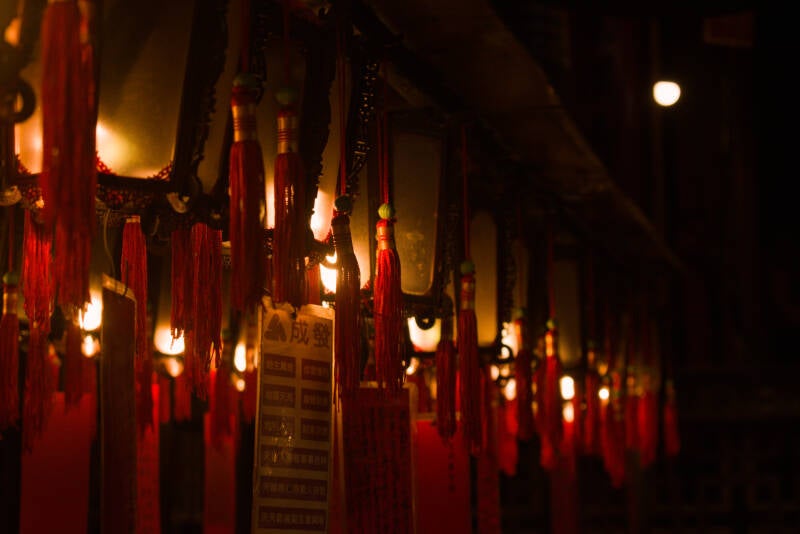
After that I visited Man Mo Temple, one of the most famous temples in Hong Kong. I’ll be honest, I’ve seen a lot of temples, so I wasn’t completely blown away. But it definitely has its charm, and the atmosphere is very different from temples in Taiwan or Southeast Asia. The hanging incense coils make the whole place feel smoky and cinematic.
Then I walked around Sheung Wan and Central, which honestly became one of my favourite areas. It’s like business district meets trendy suburb:
-
Hip cafés
-
Indie shops
-
Colourful street art
-
Young and creative atmosphere
- Vintage stores
Even just wandering around with a camera felt like a full activity. Definitely visit Cat Street for vintage vibe and numerous old trinket shops!

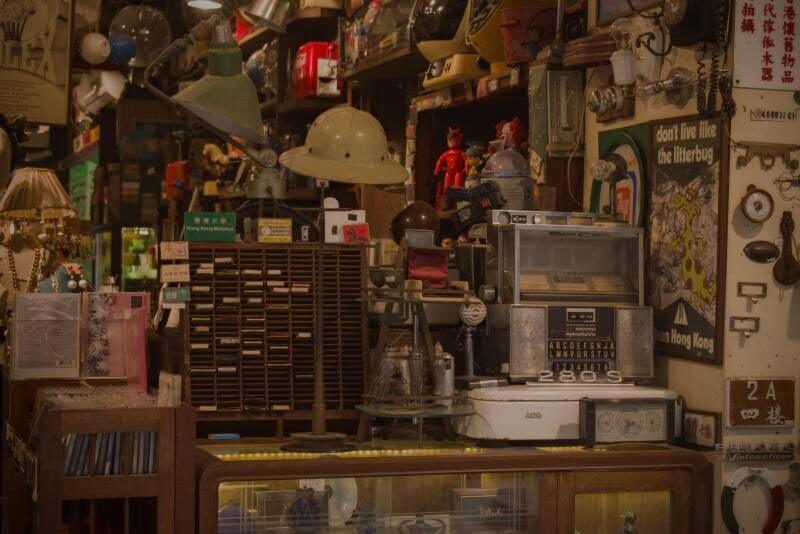
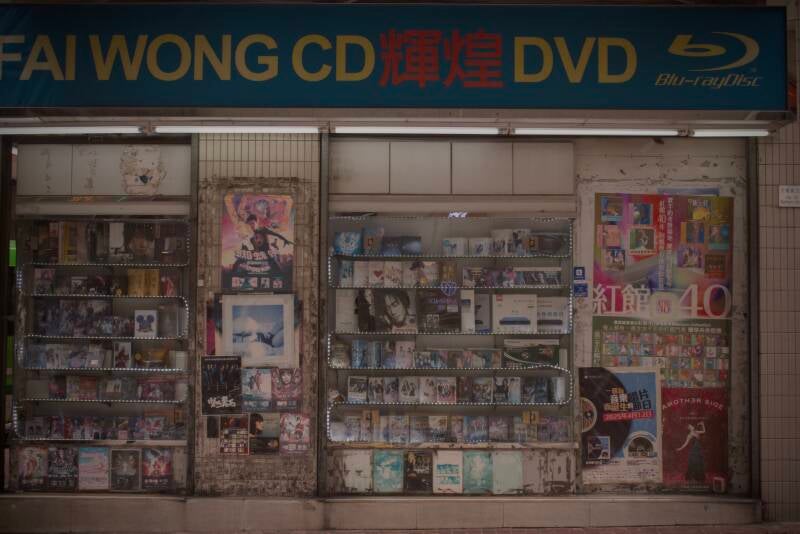
Hong Kong Park was also one of my favourite spots for a calm break in the city: lots of greenery, shady paths, and an unexpectedly lovely free aviary that’s fun to walk through. It’s a short stroll from Admiralty/Central MTR, so easy to add into a day of wandering around Sheung Wan and Central. Perfect for photography, a quiet coffee stop, or just to escape the city buzz for half an hour.
Evening: The Classic Hong Kong Skyline
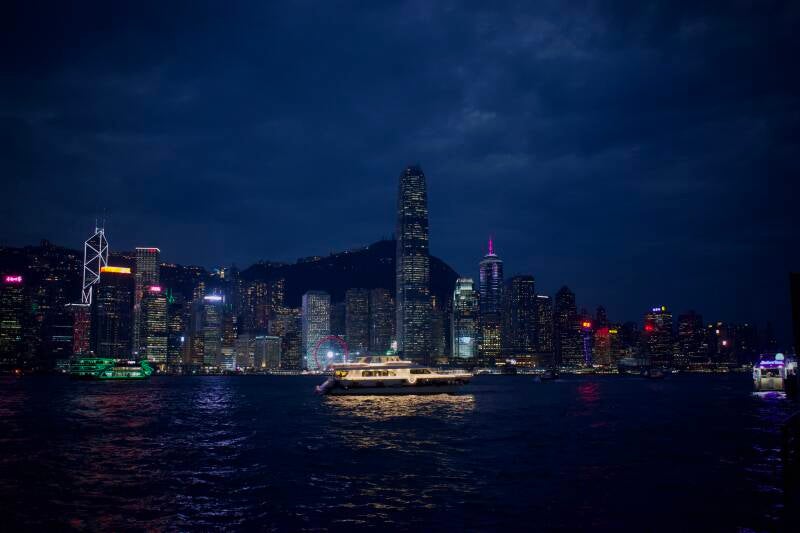
For sunset and nighttime views, I walked the Avenue of Stars and the Tsim Sha Tsui Public Pier. This spot gives you the postcard view of Hong Kong, skyscrapers lighting up across Victoria Harbour. It’s crowded, yes, but worth it.
Day 3: Chi Lin Nunnery, Nan Lian Garden & Kowloon Side Exploring
Morning: Chi Lin Nunnery
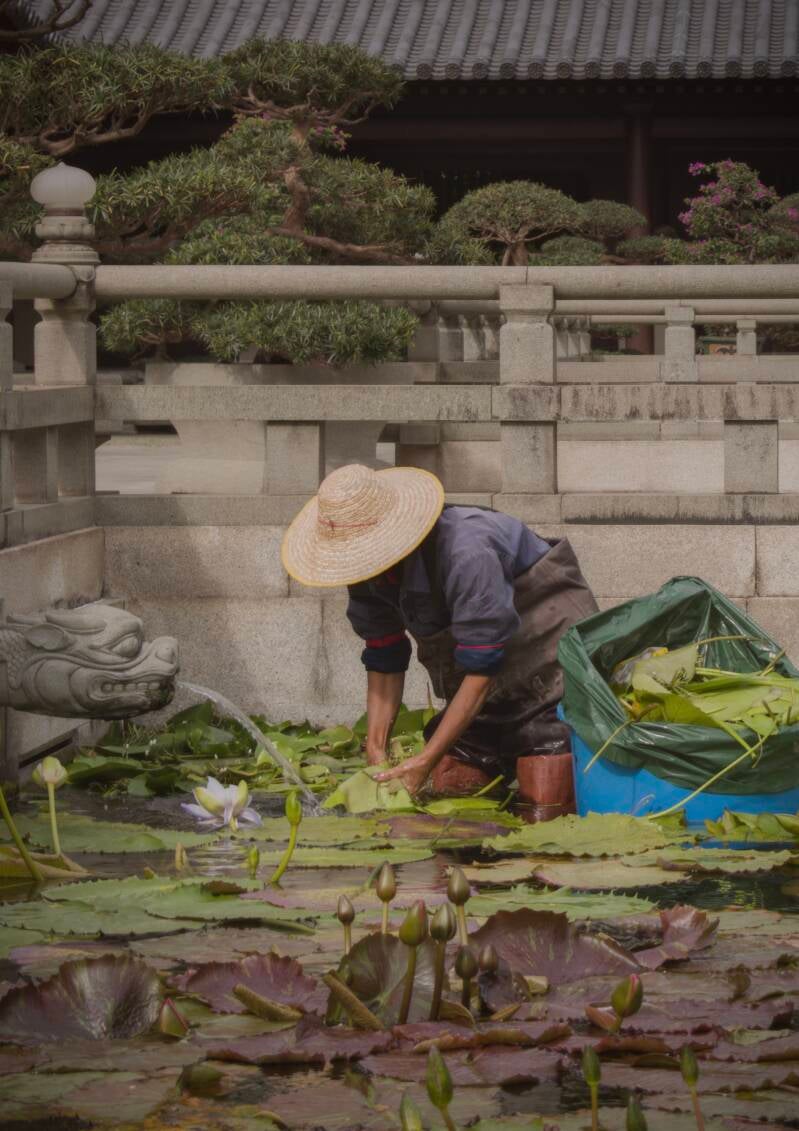
I made my way to Chi Lin Nunnery and Nan Lian Garden. It’s a bit far from the main tourist areas, but 100% worth the trip. The nunnery ended up being one of my favourite places in all of Hong Kong, peaceful, beautifully maintained, and honestly a dream spot for photography. It was also not crowded at all!
If you want a closer view of the pagoda, walk over to Grand View Garden, Block 6 (behind the Chun Tok School). It’s only a 4-minute walk from the temple. This is a residential area, so please be respectful.


Afternoon
I walked to Kowloon Walled City Park. It was… honestly kind of a letdown. Unless you’re super interested in its history, I wouldn’t go out of your way to visit.
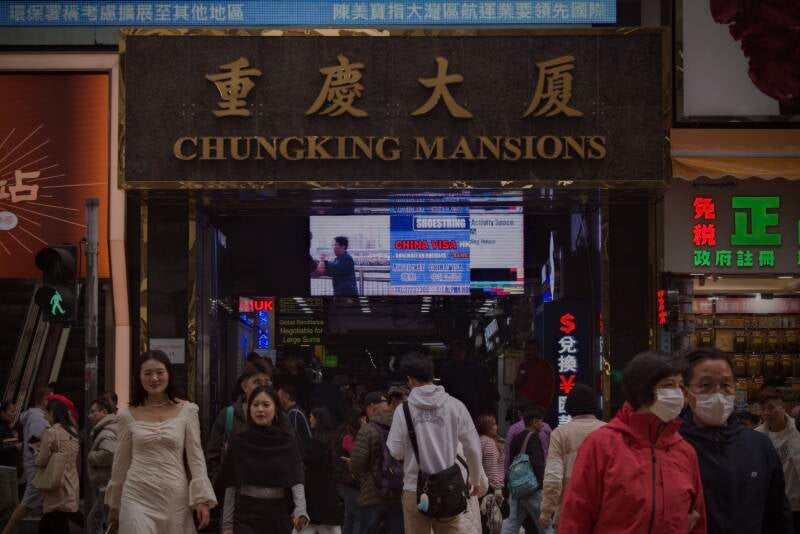
Chungking Mansions was next on the planning, a place with a pretty unique reputation. A chaotic, multicultural building complex in Tsim Sha Tsui, known for its budget guesthouses (that are almost impossible to find), South Asian eateries, currency exchange shops, and maze-like hallways. It has a long and complicated reputation: during the 80s and 90s, it was considered a major hub for crime, scams, and even a few high-profile murder cases, which contributed to its notorious status. Although the building has improved over the years and is now more regulated, parts of it still feel dark, cramped, and sketchy, especially if you’re alone or not used to this kind of environment. Many travellers visit out of curiosity because of its cultural mix and history. Afterwards, I made my way to the Temple Street area, where you can still experience an the old vibes of Hong Kong with street markets everywhere.
Afterwards, I went back to the Avenue of Stars to see the skyline in daylight. It’s definitely less impressive than at night, but still worth a slow walk along the water.


Evening: Change of Plans
My plan was to head up to Victoria Peak for sunset… but hostel life got me. After a few nights of questionable sleep, I was exhausted and decided to stay in. No regrets, sometimes rest is the best travel decision you can make.
Extra Things to Do in Hong Kong (If You Have More Time)
If you’re staying longer than three days, or if you simply want to dive deeper into Hong Kong beyond the city highlights, there’s so much more to explore. Most people imagine Hong Kong as a dense concrete jungle, but nearly 70% of the territory is actually green, with hiking trails, protected forests, beaches, and outlying islands that feel like a completely different world. Here are some great options for extra adventures:
Visit the Outlying Islands
Hong Kong has dozens of islands, each with its own personality, quiet fishing villages, beaches, temples, and mountains.
-
Lantau Island: Home to the Big Buddha, Po Lin Monastery, Tai O fishing village, and great hiking.
-
Cheung Chau: Super chill, no cars, colourful streets, beaches, and great for a half-day trip.
-
Lamma Island: Laid-back, known for seafood restaurants and an easy coastal hike.
Ferries run regularly and are very affordable.
Explore Hong Kong’s Hiking Trails
Hong Kong is honestly a paradise for hikers. I didn’t have enough time to fully explore the nature side, but if you do, these are some of the best:
-
Dragon’s Back: The most popular trail; stunning coastal views and doable for most fitness levels.
-
Lion Rock: Iconic peak overlooking Kowloon, amazing for sunset.
-
Victoria Peak Circle Walk: If you don’t want to do the full Peak hike, this one still gives you panoramic skyline views.
The trails are well-marked, easy to access by public transport, and offer a peaceful break from the busy city.
Beaches (Yes, Hong Kong Has Great Ones!)
Hong Kong’s beaches are surprisingly beautiful:
-
Repulse Bay: Very accessible but busy.
-
Shek O Beach: Clean, chill, and perfect after hiking Dragon’s Back.
-
Tai Long Wan (Sai Kung): Often called Hong Kong’s most stunning beach, but requires effort to get to.
Visit the Lesser-Known Neighbourhoods
If you’re into photography, street life, or just exploring:
-
Tai Hang: Hip, relaxed, local cafés and restaurants.
-
Sham Shui Po: Markets, textiles, electronics, gritty and great for photos.
-
Sai Ying Pun: Mix of old Hong Kong charm and trendy spots.
Explore More Museums or Cultural Spots
If you’re there during rainy days:
-
Hong Kong Museum of History: Very informative and well-curated.
-
M+ Museum: Modern visual culture; beautiful architecture.
-
Ping Shan Heritage Trail: Historic buildings and temples in the New Territories.
Final Thoughts on Hong Kong
Three days in Hong Kong is absolutely enough to get a real taste of the city, and honestly, it surprised me in the best way possible. I’d wanted to visit for years, but once I finally made it, Hong Kong instantly became one of my all-time favourite places for photography. It’s a place where chaos feels organised, where ultra-modern skyscrapers sit beside old apartment blocks, and where you can go from temples and tranquil parks to neon-lit streets in minutes.
Even with only a few days, you can experience everything that makes Hong Kong so iconic: the skyline, the food culture (even if mine was mostly 7-11 meals), the temples, the bustling markets, and those incredibly atmospheric neighbourhoods.
I left Hong Kong feeling like I’d only scratched the surface, but also satisfied, because three days is plenty to understand the vibe of the city.
Create Your Own Website With JouwWeb