

Beijing
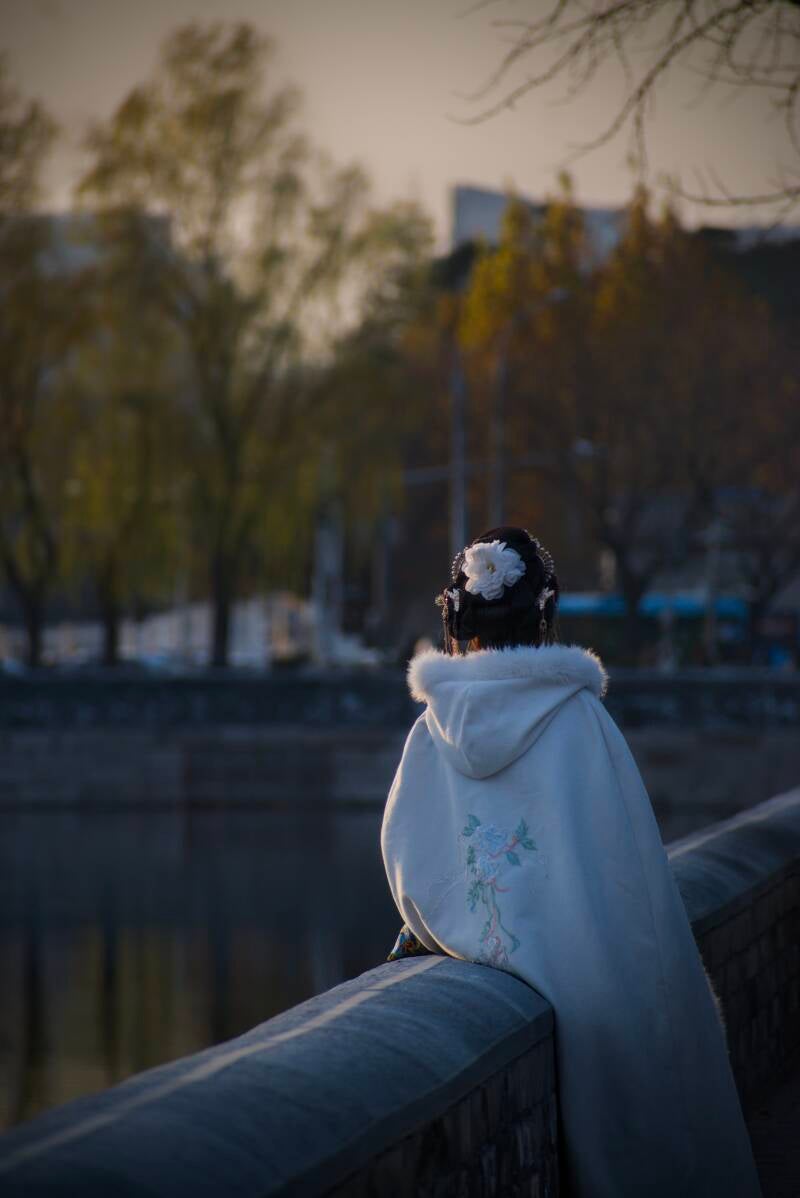
Beijing was, without question, my favourite place we visited so far in China. There was something about the energy of the city that immediately clicked with me, the tiny Hutong alleyways, the cosy neighbourhoods, the mix of old and modern architecture, and the feeling of being surrounded by thousands of years of history at every turn. The buildings are enormous, the cultural sites are on another level, and the atmosphere feels both chaotic and comforting at the same time.
That being said, Beijing is also extremely heavily surveilled. There are police, military, and security checks everywhere, largely because of the city’s political and historical importance. It’s not unsafe, but it does make you very aware that you’re being watched, which sometimes made it hard to fully relax and enjoy the moment. Still, the overall experience was unforgettable, and Beijing ended up being the highlight of our China trip.
How to Get Around Beijing
The metro is the absolute best way to move around Beijing. It’s huge, efficient, and connects almost every major attraction. Options:
-
Physical metro card (reloadable at any station)
-
Digital metro pass on Alipay: much easier. You just tap your phone at the gates. (See my post Useful Information for Traveling China for how to set this up.)
Trains run frequently, signage is in English, and navigation is straightforward.
Where We Stayed: Qianmen Courtyard Hotel
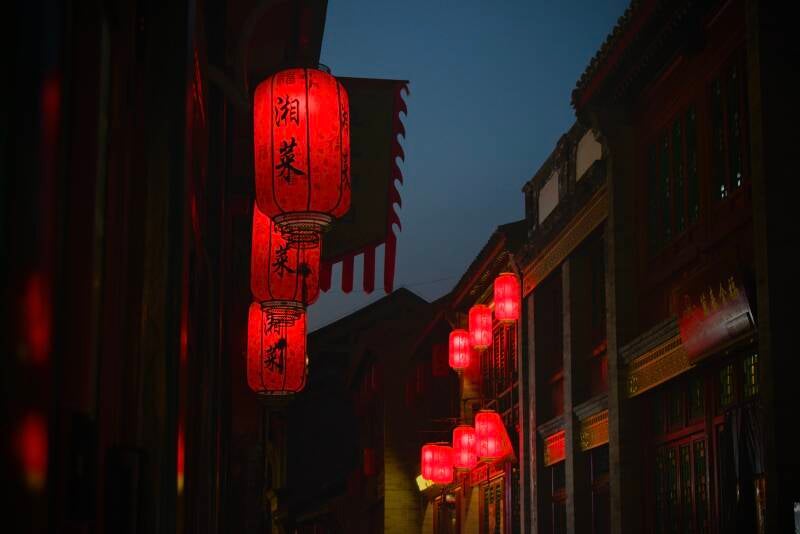
We stayed in a renovated temple turned into a hotel: Qianmen Courtyard Hotel, booked through Booking. It’s beautiful, super cheap, and extremely basic. But the location? Incredible.
Why the location is perfect:
-
Right in Qianmen, one of the nicest and most comfortable neighbourhoods in Beijing.
-
Steps away from Qianmen Street and many smaller traditional lanes.
-
Easy metro access to basically everything.
If you want atmosphere, walkability, and convenience, this area is perfect.
What to Do in Beijing
Below is a full breakdown of everything we did, plus info you’ll actually need (tickets, crowds, transport).
1. The Great Wall of China
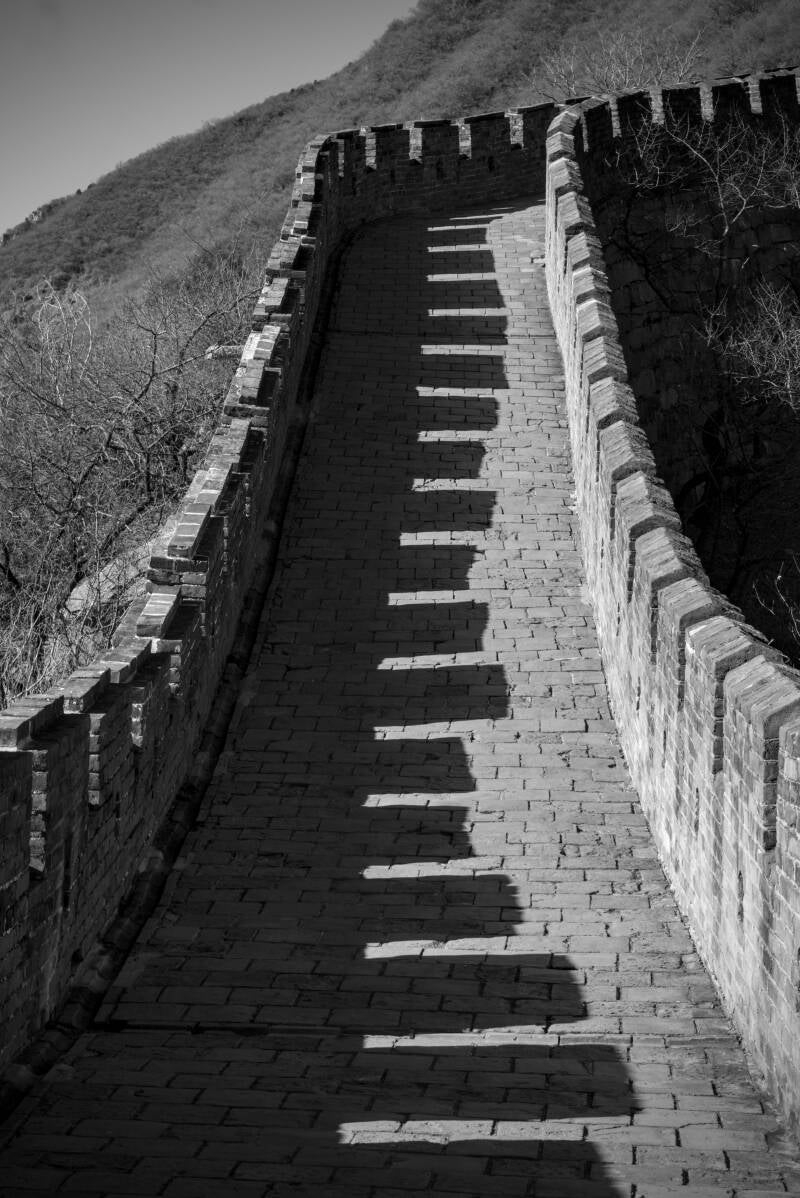
One of the absolute must-sees when visiting Beijing. There are several sections you can visit, each with different vibes:
Badaling:
-
Most famous
-
Very restored, extremely easy to access
-
Overcrowded
-
Best for kids, elderly, or first-timers who want convenience
Mutianyu:
-
Well-preserved, very scenic
-
Fewer crowds than Badaling
-
Cable car & fun toboggan slide
-
Ideal for photographers
-
Still touristy, but less overwhelming
Jinshanling:
-
One of the most beautiful sections
-
Part restored, part wild
-
Great for hiking and photography
-
Low crowds
Jiankou:
-
Completely unrestored
-
Very rugged and steep
-
For advanced hikers and adventurers only
Simatai
-
Steep, dramatic scenery
-
Can be visited at night
-
Connects to Gubei Water Town
-
Very unique experience

Our Visit: Mutianyu
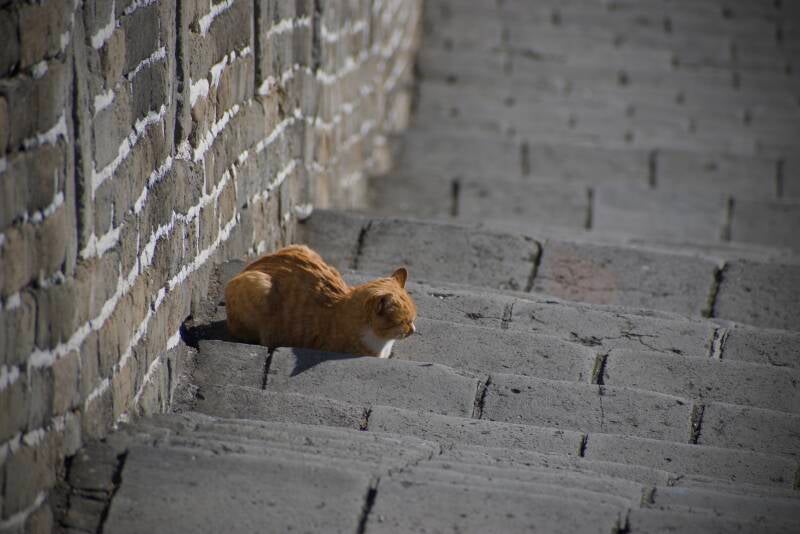
We chose to visit Mutianyu, and honestly, it turned out to be such a good decision, because unlike the extremely crowded and overly polished Badaling section, Mutianyu offers this perfect balance between restored pathways and quiet corners, where you can actually enjoy the view without being pushed along by thousands of people, and we even managed to take photos without a single person in the background, which feels almost impossible anywhere in China.
Getting there, however, was a completely different story, because although China is one of the most advanced countries in the world when it comes to infrastructure, they have surprisingly made it incredibly difficult (and sometimes borderline impossible) to reach their most iconic attractions by public transport, there’s either almost no direct buses, barely any clear online information, or routes that take so long you’d waste half your day.
Public transport to Mutianyu would have taken over three hours, including several transfers, complicated connections, and long waiting times, and since we didn’t want to spend a full day figuring out how to get from point A to point B, we decided to take a Didi instead (see my post Useful Information for Traveling China if you want to know how to activate it). The ride there and back cost 300 RMB in total, took about two hours round-trip, and even though it felt a bit more expensive at first, it ended up being absolutely worth the time and energy we saved, especially considering how much walking and climbing was still ahead of us once we arrived.
When you get to the entrance area, the whole system works like this: you first buy your entry ticket, which cost 60 RMB in low season and already includes the shuttle bus that takes you from the main entrance area to the actual starting point of the Wall (this is where the cable car and the footpath both begin). Unlike Badaling, where you must buy tickets in advance and they often sell out, Mutianyu allows you to buy them on the spot. The cable car is extra and honestly quite pricey: 100 RMB one way or 140 RMB return, but since we didn’t feel like spending that money on top of the entry fee, we decided to hike up instead.
The hike to the wall takes around 20 minutes, but don’t underestimate it, t’s basically straight stairs and can feel quite brutal if you’re not used to steep climbs. When you complete the path, you arrive at Tower 8, and here’s my tip: don’t immediately walk toward Tower 6 like most tourists do. Instead, start by going left, because that side becomes quieter extremely quickly, and you can enjoy wide-open views without any crowds.
After spending time on that side, we went back toward Tower 8 and then decided to walk the other direction, toward Tower 1, which is where the views become incredible but the stairs become absolutely killer, like, genuinely brutal, so I wouldn’t recommend this side for anyone who doesn’t hike regularly or struggles with steep slopes. But if you can do it, the panoramic view from the top looking out over the mountains and the winding Wall is one of the best spots you’ll find.
Once you’re done hiking, you walk back down to the shuttle bus area. The shuttle bus in low season runs from 8:00 to 18:00, so you must make sure you’re back before it stops operating, otherwise you’ll be walking a very long distance down to the entrance.
A very important warning: when you first arrive, you’ll see people standing around near the entrance pretending to give directions. Do not talk to them. They’re scammers, and they will insist that “you must go this way for the cable car” (which is not true) or try to sell you overpriced taxi rides. Just follow the official signs and ignore anyone trying to redirect you.
All in all, Mutianyu is absolutely worth the effort, and it’s best to take a full day for the experience so you don’t feel rushed, especially if you want to explore both sides of the wall, take photos, and enjoy some quieter moments in between the climbs. We went around 12:00, and surprisingly, the crowds were still very manageable, so even if you can’t make it super early, you’ll still likely find some peaceful spots along the wall.

2. The Forbidden Palace (Forbidden City)
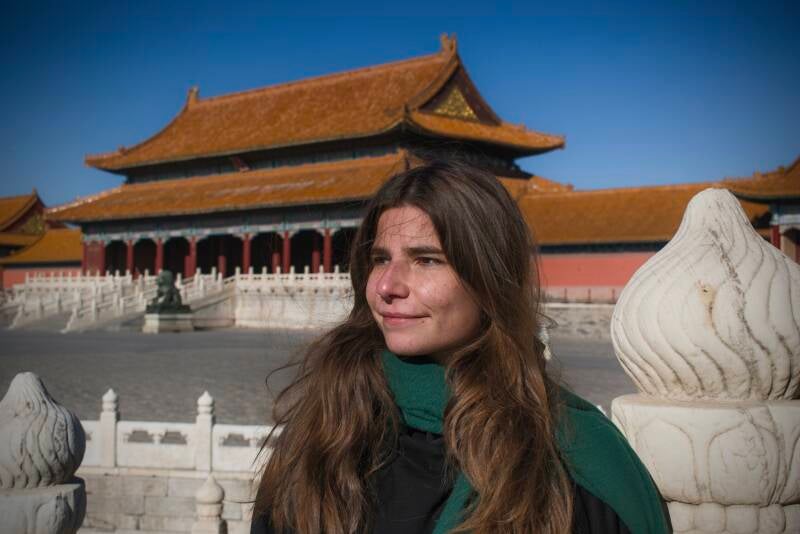
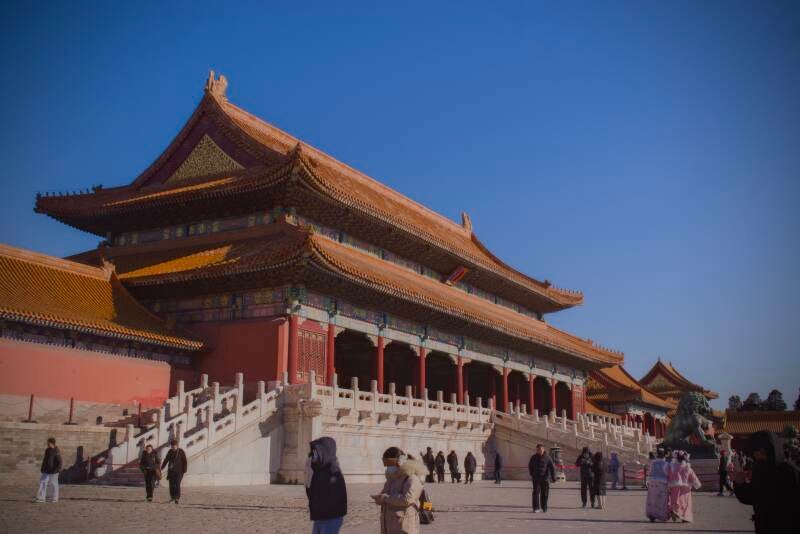
Visiting the Forbidden Palace is also one of the main reasons people come to Beijing. But the most important thing to know is that the entrance system is quite strict, you must book tickets in advance (the booking opens exactly seven days beforehand), and in both high and low season the tickets can sell out extremely quickly, so you cannot simply show up on the same day and hope for an entry slot.
Tickets cost 40 RMB in low season and 60 RMB in high season, which is shockingly cheap considering how huge the complex is, and even though many online guides say you need a full day, we felt that half a day was more than enough if you’re not doing a guided tour or stopping to photograph every inch of the place, though it’s definitely worth slowing down in some of the side courtyards where the crowds thin out. When we visited, it was brutally cold (around –6°C), and I was very underdressed, so I couldn’t focus on photography as much as usual, but even while shivering, I still felt the sense of scale and grandeur that makes it one of Beijing’s must-see places.
For tickets you can visit the official website: https://intl.dpm.org.cn/index.html?l=en
Don't buy tickets through GetYourGuide or Trip.com, since these are way more expensive!
3. Tiananmen Square
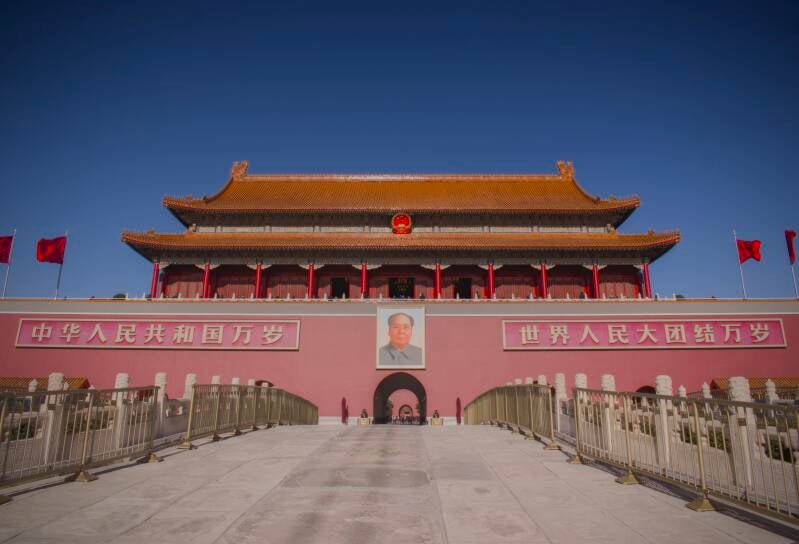
Because Tiananmen Square is directly in front of the Forbidden Palace, it makes perfect sense to combine both visits in a single day, but the security measures here are some of the strictest in all of China, understandably, given the history associated with this place, so entering the square is much more intense than you might expect.
You need to reserve a spot through WeChat, also exactly seven days in advance, and when you arrive, you go through several layers of checks: passport scanning, bag X-rays, body scanners, and long organized queues monitored by police and soldiers. It’s completely free to enter, but the atmosphere is very controlled and serious, so don’t expect the relaxed vibe of other public squares. Still, standing in such a historically loaded area feels surreal, and even though you can’t freely wander every part of it, it’s absolutely worth experiencing at least once.
Follow this guide for booking your entry pass: https://wildgreatwall.com/make-reservation-tiananmen-square/
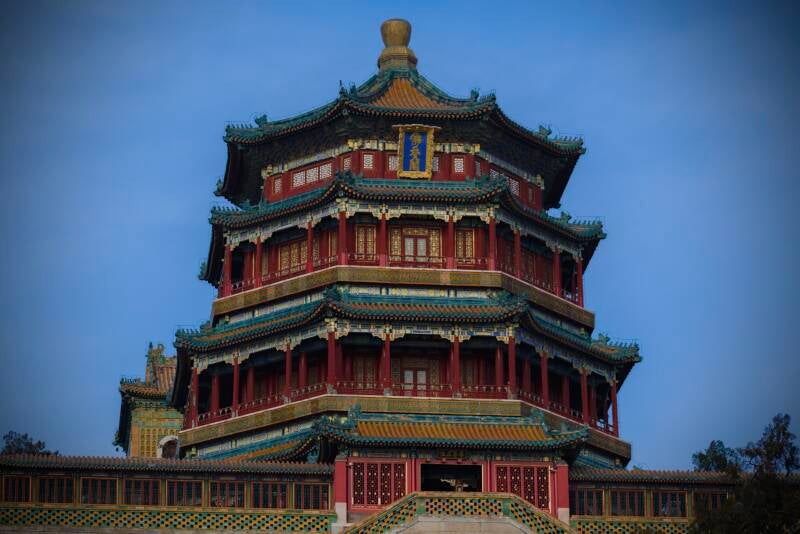
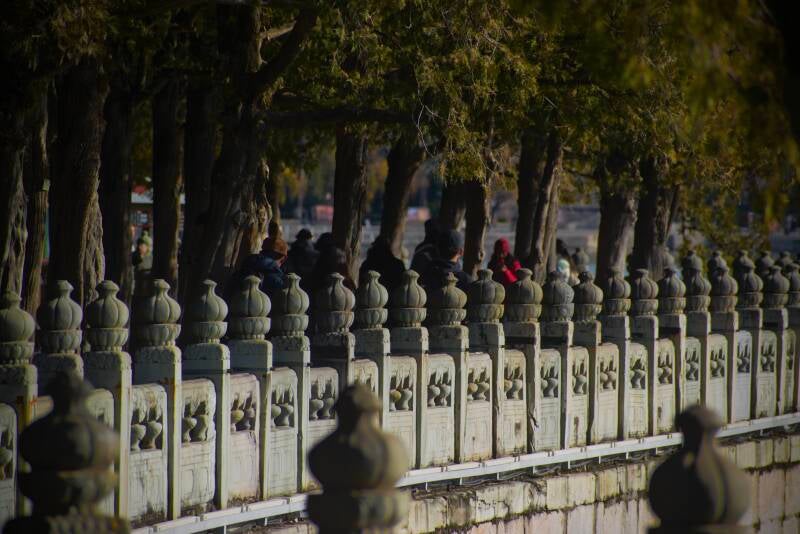
4. The Summer Palace
The Summer Palace is another essential stop in Beijing, located about one hour outside the city centre, but completely worth the journey because the moment you step through the gates you’re surrounded by classical Chinese pavilions, pagodas, lakeside views, and winding bridges.
We entered through the Beigongmen Gate, which is a smaller entrance that tends to have shorter queues and fewer crowds, and tickets in low season cost just 20 RMB. You could easily spend half a day or even longer here if you enjoy slow walks, water views, traditional gardens, or just taking photos, because every corner seems to lead to another hidden pavilion, forested pathway, or lakeside walkway that looks like a painting.

5. Jingshan Park
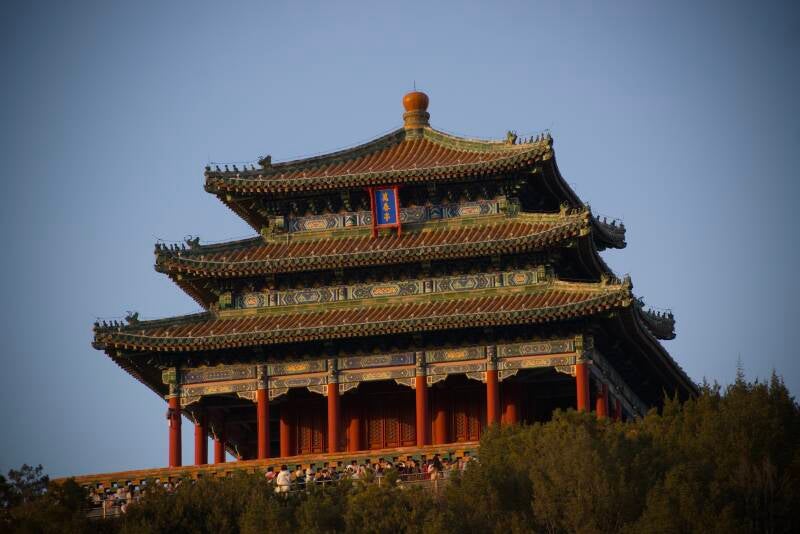
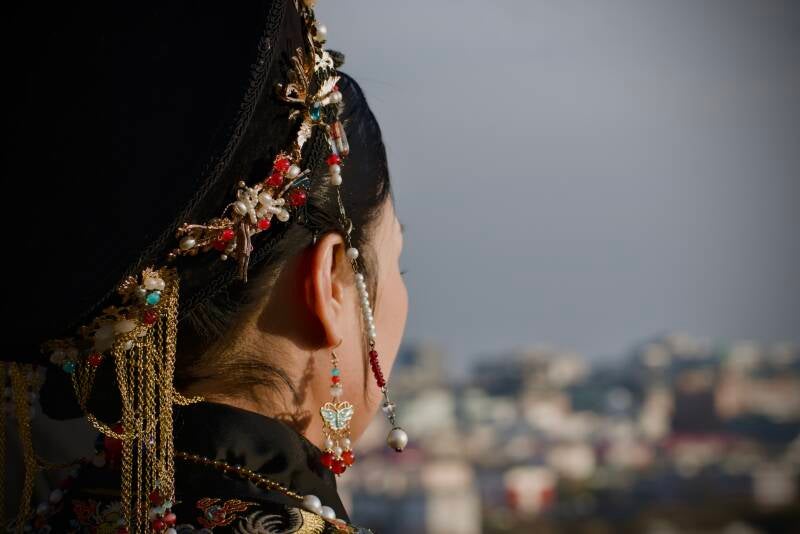
Even though Jingshan Park might seem like a simple hilltop park at first glance, it ended up being one of my absolute favourite places in Beijing because for only 2 RMB (low-season entry fee!), you can hike up to the very top of the hill and stand at a viewpoint that gives you an aerial overview of the Forbidden Palace from above.
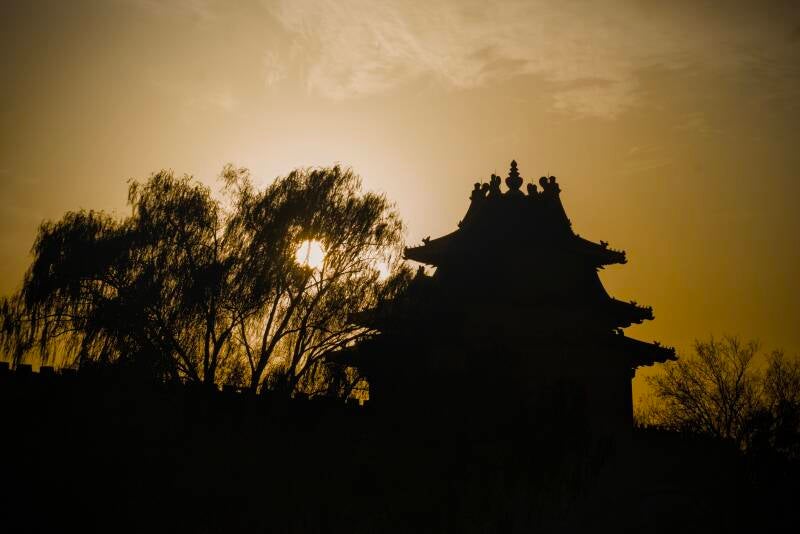
The park stays open until late, so you can also visit at or after sunset to see the city lights, and if you walk to the corners of the palace walls afterward, you’ll find a spot that many photographers gather around, waiting for that perfect shot.
6. Shichahai District
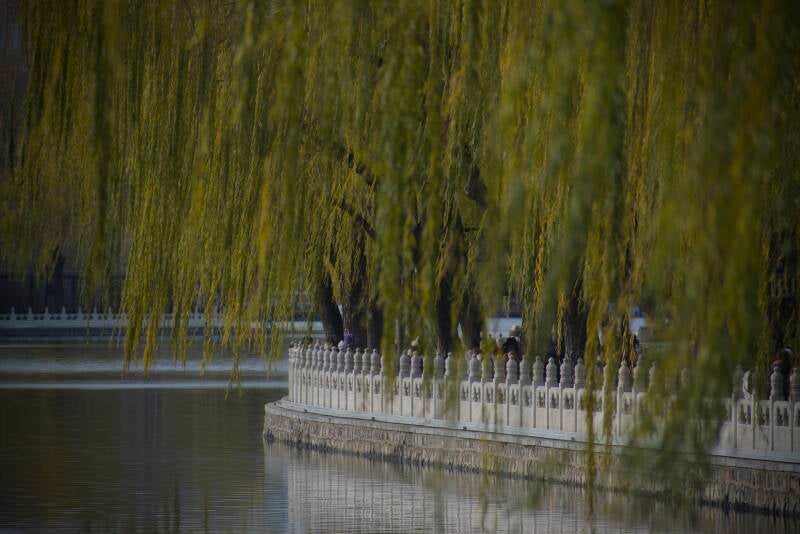
Right next to Jingshan Park is the charming Shichahai district, a lakeside neighbourhood where weeping willow trees hang over the water, locals stroll along the paths, vendors sell snacks and warm drinks, and small streets branch off into hidden historic corners.
If you have extra time you can also visit Houzhao Building or the Prince Gong Mansion, both of which add more depth to the area if you enjoy historic architecture or quiet courtyards. It’s the kind of neighbourhood where you can just wander freely without any plan and still enjoy every minute.
7. Zhengyangmen & Qianmen Street
This was the neighbourhood where we stayed, and honestly, it was the perfect choice. Qianmen Street is lively but comfortable, beautifully maintained, and full of character, with small side streets like Dashilan Street and Liangshidian Street offering endless food options, local snacks, small shops, and interesting trinkets, especially at night when everything lights up and the whole area becomes cozy and vibrant.
Because it’s one of the more historically important areas, it’s heavily surveilled with police presence, so you should always carry your passport when walking around here.
8. Temple of Heaven
We didn’t have time to visit the Temple of Heaven, but it’s an iconic site in Beijing and widely regarded as one of the absolute must-see places. If you’re staying a bit longer than we did, it’s worth adding this to your itinerary, especially in the morning when locals gather for tai chi, kite flying, and group dancing in the surrounding park.
9. Confucius Temple & Imperial College and Lama Temple
If you have extra time and enjoy cultural sites, the Confucius Temple and Imperial College Museum as well as the Lama Temple are wonderful additions to your Beijing itinerary. Both places showcase beautifully preserved architecture, quieter courtyards, and historical insights that contrast nicely with the busier tourist sites.

Final Thoughts
Beijing completely surprised me, in the best way possible. It’s busy, loud, and heavily monitored, but it’s also full of warmth, character, and endless things to explore. Three to four days is enough for the major highlights, but honestly, I could have stayed longer.
The mix of ancient history, cosy hutongs, impressive architecture, and the overall “feel” of the city made it my favourite stop in China. If you’re planning a trip, prepare for crowds, strict security, and some chaos, but also prepare to fall in love with a city that has more depth than any place I’ve visited in a long time.
Create Your Own Website With JouwWeb