

Sodwana Bay
Sodwana Bay is one of those places that feels completely off the radar unless you’re a diver, and then suddenly, it’s the place to be.
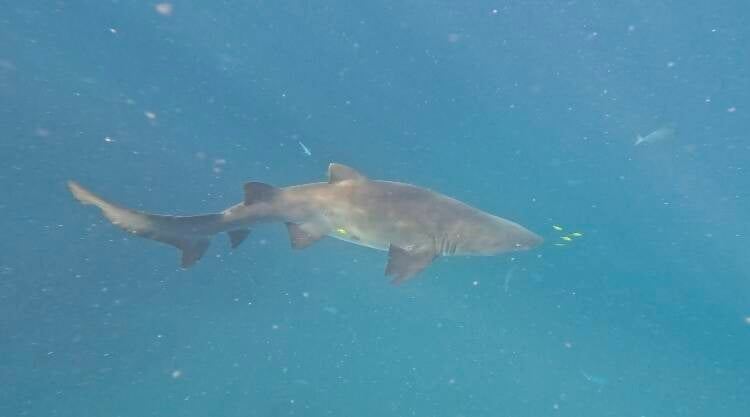
I ended up living here for a while while working with a conservation group (read about my experience here), and even though it’s a tiny town in the middle of nowhere, it offers some seriously impressive diving opportunities. From ragged-tooth sharks and tiger sharks to rays, turtles, and healthy coral reefs, Sodwana has a bit of everything.
In this post, I’ll share what it’s actually like to stay here, how the diving works, and what else you can do when you’re not underwater.
How to Get There
The easiest way to reach Sodwana is from Richard's Bay
-
Around 2.5 hours drive
-
Roads are manageable but stay alert
You can take a private taxi, but expect prices up to:
-
2500 rand one way
At that point, it honestly makes more sense to just rent a car, especially since you’ll need one to get around anyway.

What Sodwana Is Like
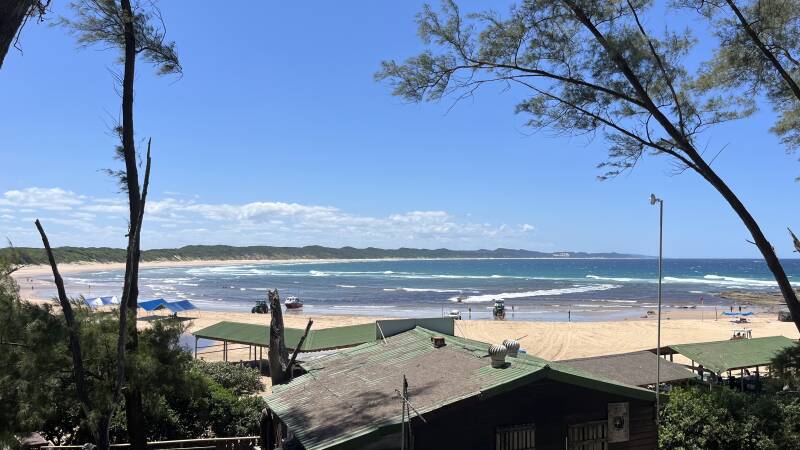
Sodwana itself is small. Really small. The kind of place where after two days, people start recognising you, and after a week, you feel like you somehow live there permanently. The town sits about 10 minutes from the beach and revolves heavily around diving. A lot of South Africans come here specifically for that, and there’s a steady flow of divers coming and going.
There are a few restaurants scattered around, enough to keep things interesting, and somehow I ended up developing a daily routine of getting coffee at Moreish Café, to the point where they knew exactly what I was going to order before I even said anything.
Accommodation exists, but it’s not exactly budget paradise. For such a small place, prices can be surprisingly high, especially during busy periods.
As for groceries, there are two small supermarkets that cover the basics, but if you need anything more serious, like a pharmacy or a proper grocery shop, you’ll have to drive about 20 minutes to Mbazwana.
Keep in mind that power outages and data service outages are still a regular occurrence here, so be prepared and take a power bank with you.
Diving in Sodwana Bay
Diving here is what everything revolves around. Sodwana is part of the iSimangaliso Wetland Park, which means the reefs are protected, and you can tell. The coral is healthy, the fish life is abundant, and there’s always a chance of something bigger passing through.
There are several dive centres operating in the area, like Adventure Mania, Sodwana Bay Scuba Centre, and Coral Divers, and most dives follow a similar setup. Dive sites are named based on their distance from shore: 2-mile, 5-mile, 7-mile, 9-mile, which sounds simple until you realise the further ones are better, more expensive, and only happen if enough people sign up.
Most dives happen at 2-mile, with sites like Lettuce, Gotham, and Hotspot offering a good mix of reef life and wedgie/shark encounters. But for me, the real highlights were at 7 and 9-mile. Fewer people, more space, and a much stronger chance of seeing ragged-tooth sharks during the right season.
And then there’s the marine life. Over time, I got to see ragged-tooth sharks, blacktips, grey reef sharks, himantura rays, eagle rays, turtles, moray eels, and more fish species than I could realistically name. The groupers here deserve a special mention, they’re huge, curious, and come way closer than you expect, which honestly threw me off the first few times.
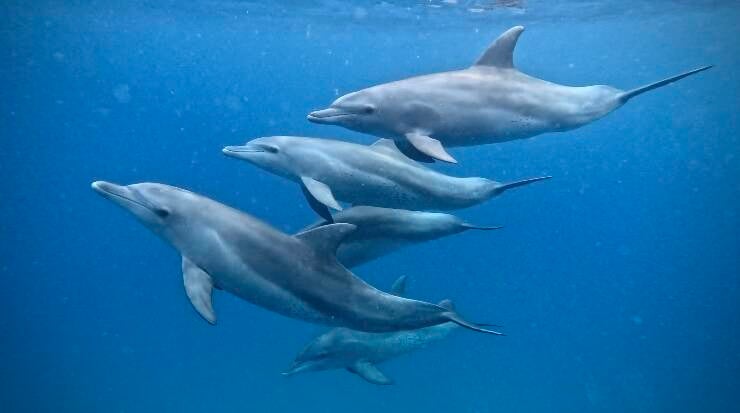
There’s also the option to snorkel with bottlenose dolphins along the coast, which adds another layer to the whole experience (contact me for more information), Sodwana doesn’t really do “boring”.
Exploring Beyond Diving
Even though diving is the main event, there’s actually quite a bit to explore around Sodwana if you’re willing to go look for it. One of the nicer walks is up to Ngobosileni Hill, a 40-minute walk along sandy paths next to a lake. It’s peaceful, quiet, and we even spotted hyena tracks along the way, which definitely keeps things interesting.
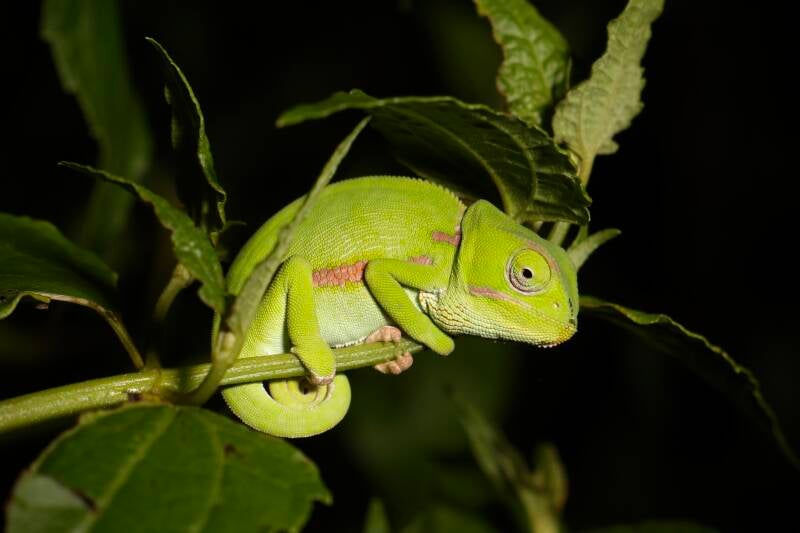
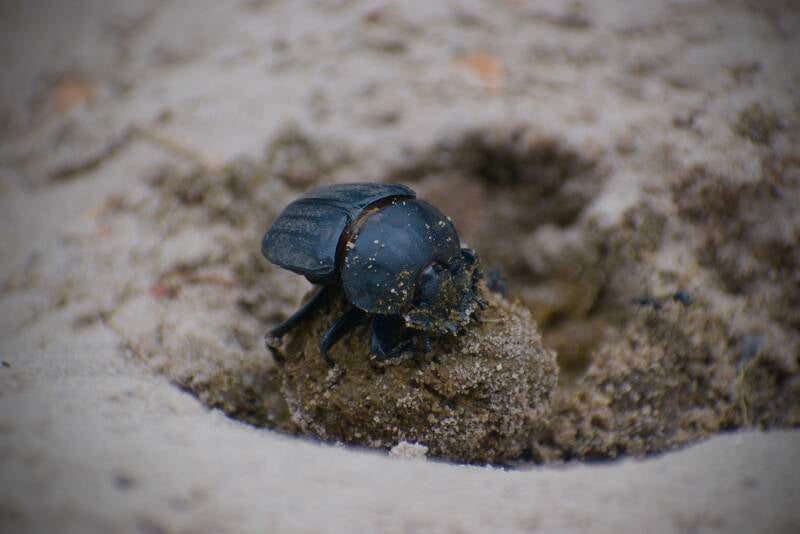
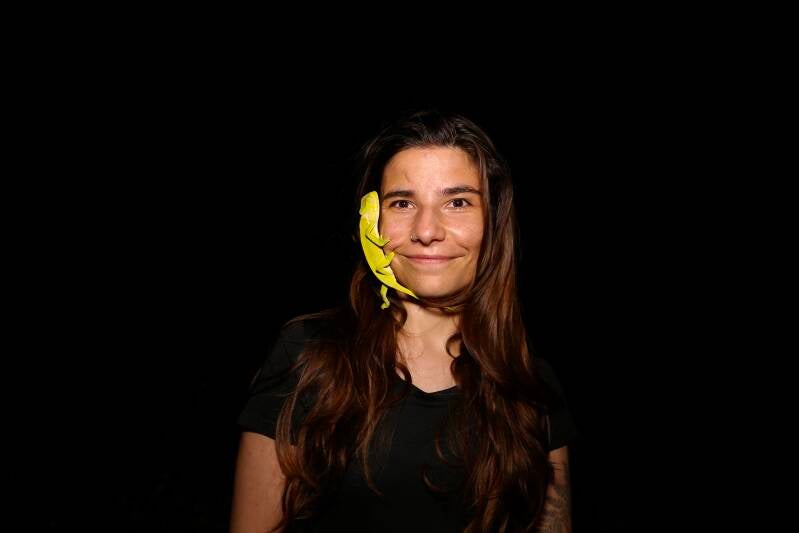
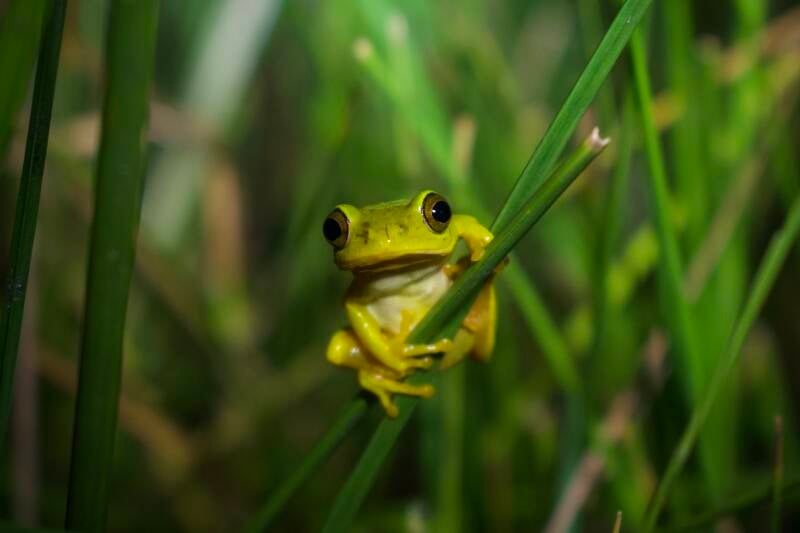
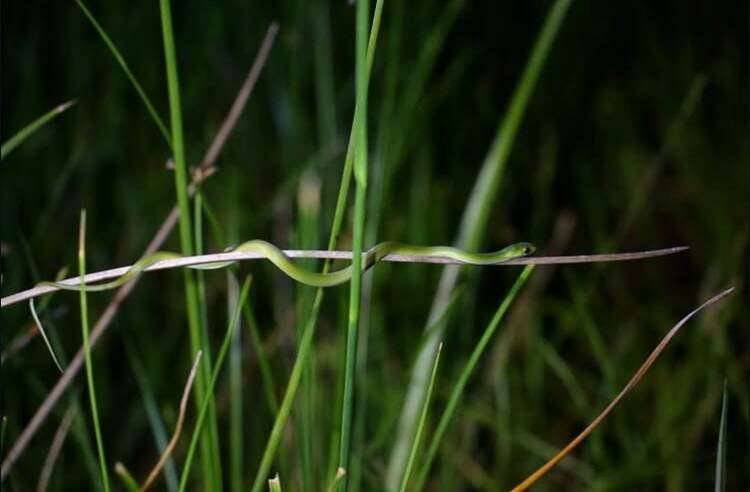
Naturally, we also spent time herping, because of course we did. Around the small lakes near the beach road, we managed to find a purple-glossed snake, several chameleons (which was a first for me and way too exciting), multiple frog species, and even dung beetles, which I had only ever seen in documentaries before. On other days, we came across a snouted cobra, Natal green snakes, and green water snakes, which made it feel like every walk had potential.
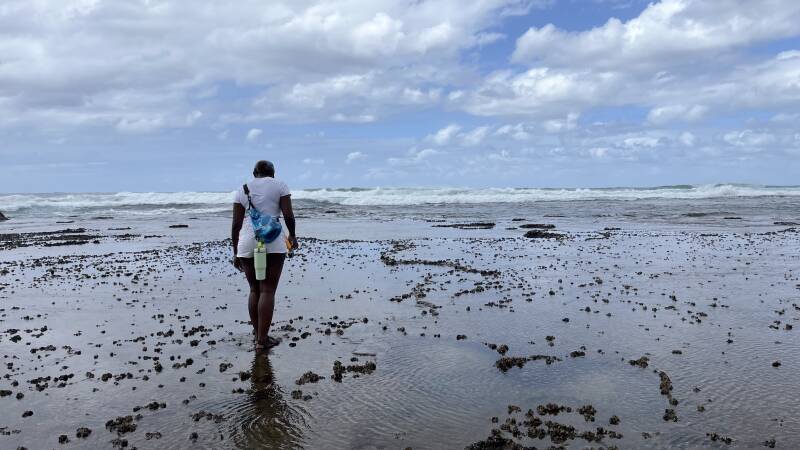
Sodwana Bay is also an amazing place to go rock pooling with several fish species, corals, and nudibranchs to find during low spring tide.
Beaches & Day Trips
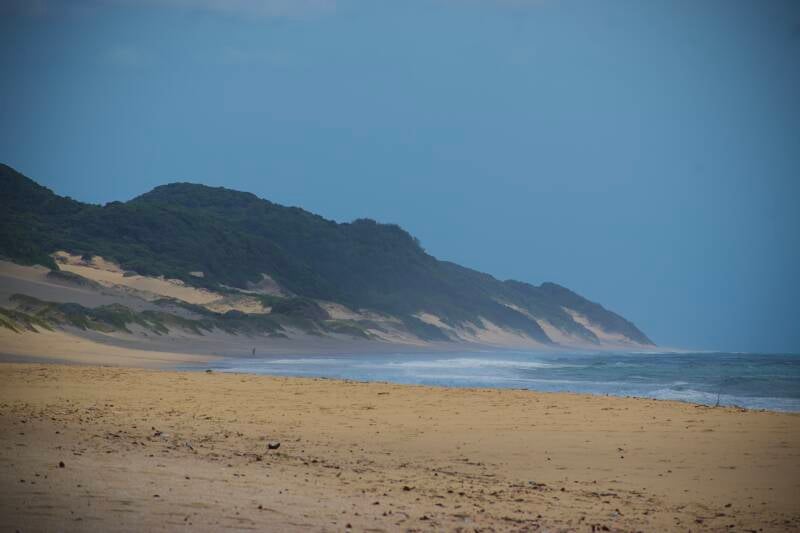
If you want a break from diving, Mseni Beach is definitely worth the visit. It’s quieter than Sodwana Beach, with big dunes and a more untouched feel, but the ocean is rough, so it’s better for walking than swimming.
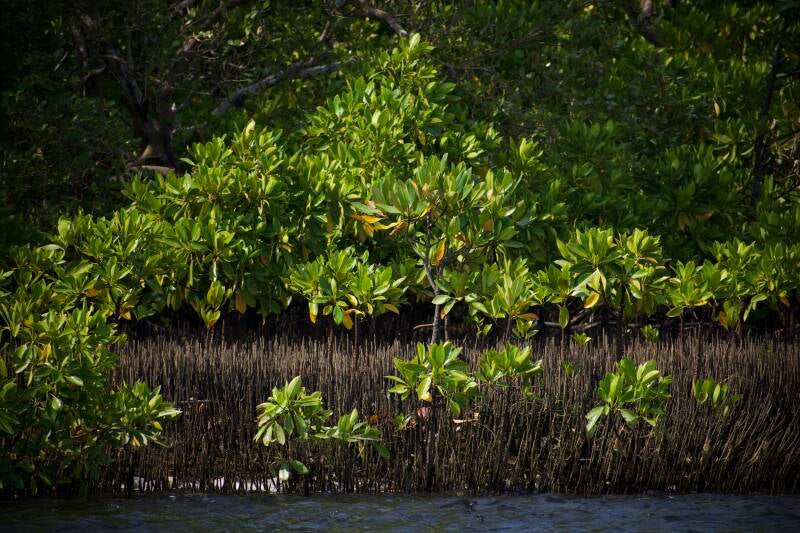
A bit further out, about a two-hour drive, is Kosi Bay, which is completely different again. It’s a mix of lakes, estuaries, and mangroves (which, yes, I was very happy about), and it’s a great place for snorkelling, birding, or just exploring. If conditions are right, you can spot baby bull sharks and morays in the estuary, but tides matter a lot here, currents can get strong quickly, so it’s something to keep in mind. Entrance fees are 75 rand per person.
I couldn’t snorkel due to an injury at the time, but even just walking around and birding made the trip worth it.


Final Thoughts
Sodwana Bay isn’t polished, it’s not particularly convenient, and it definitely requires a bit of effort to get there, but that’s also exactly why it works.
The diving is unpredictable in the best way, the reefs are healthy, and the mix of marine life keeps things interesting every single day. Add to that the small-town feel, unexpected wildlife encounters, and a routine that somehow revolves around diving and coffee, and it becomes the kind of place that quietly grows on you.
It’s not somewhere you go for luxury. It’s somewhere you go because you want the experience, and it delivers.
Create Your Own Website With JouwWeb