

Malta
My Honest Thoughts After Living Here for 4 Months
Before moving to Malta, it had been on my travel list for years. Maybe that’s a little niche, but as a long-time Eurovision fan, Malta always looked like such a fun, colourful and welcoming place. Every postcard looked sunny, every performance felt cheerful, and I imagined a small Mediterranean island full of beautiful streets, friendly people and crystal-clear water. Then I ended up moving here for work.
For the past three months, I’ve been living in Malta while working as a dive instructor, which gave me a very different perspective than simply visiting for a long weekend. Living somewhere is never quite the same as travelling through it.
I have to admit my opinion changed a little. Malta isn’t a destination for everyone, and whether you’ll love it depends a lot on what you’re looking for. I’m probably a bit biased because I spent most of my time around St. Julian’s and Swieqi, the busiest and most touristy part of the island. As most of you know by now, I’m happiest when I’m surrounded by forests, wildlife or mountains, so endless apartment blocks and nightlife weren’t exactly my natural habitat.
That said, there were plenty of moments I genuinely loved. My morning coffee shop where I walked in and they already knew my order. Wandering through the streets of Mdina with my camera. Exploring Valletta’s architecture. Spending weekends on Gozo. And, of course, diving some of the world’s most famous wrecks.
So instead of calling this a “perfect Malta itinerary,” here’s an honest guide to the places I enjoyed most after living here.
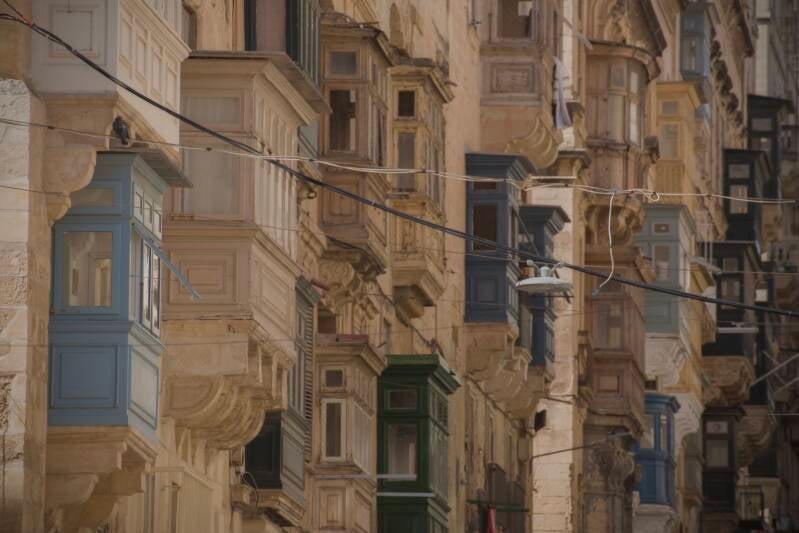
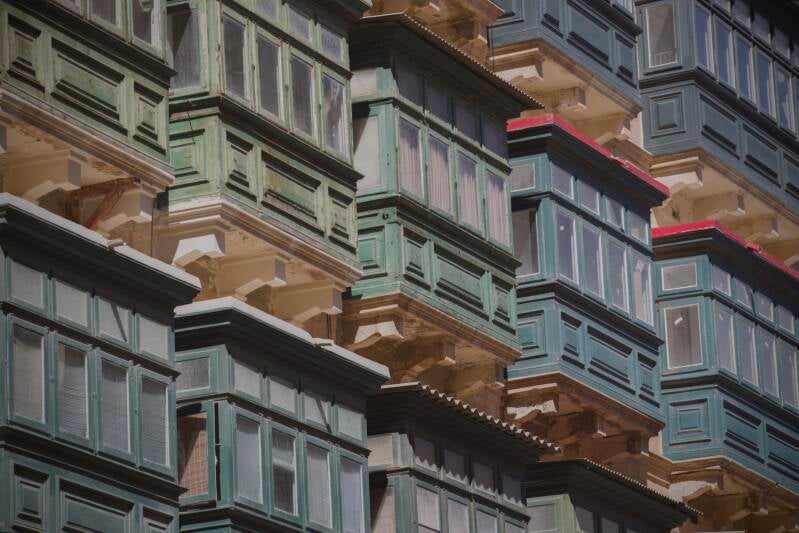

A Quick Introduction to Malta
Malta is a small island nation located in the middle of the Mediterranean Sea between Sicily and North Africa. Despite its tiny size, the country has over 7,000 years of history and has been influenced by the Phoenicians, Romans, Arabs, Knights of St. John, the French and the British. The result is a fascinating mix of architecture, culture and cuisine that feels quite different from anywhere else in Europe.
The country consists of three main islands:
- Malta: the largest island and home to Valletta, Mdina, St. Julian’s and most tourist attractions.
- Gozo: a quieter, greener island with cliffs, beautiful coastal scenery and excellent diving.
- Comino: famous for the Blue Lagoon and crystal-clear turquoise water.
Although Malta is small enough to drive across in about an hour, every part of the island has a completely different atmosphere.
Valletta
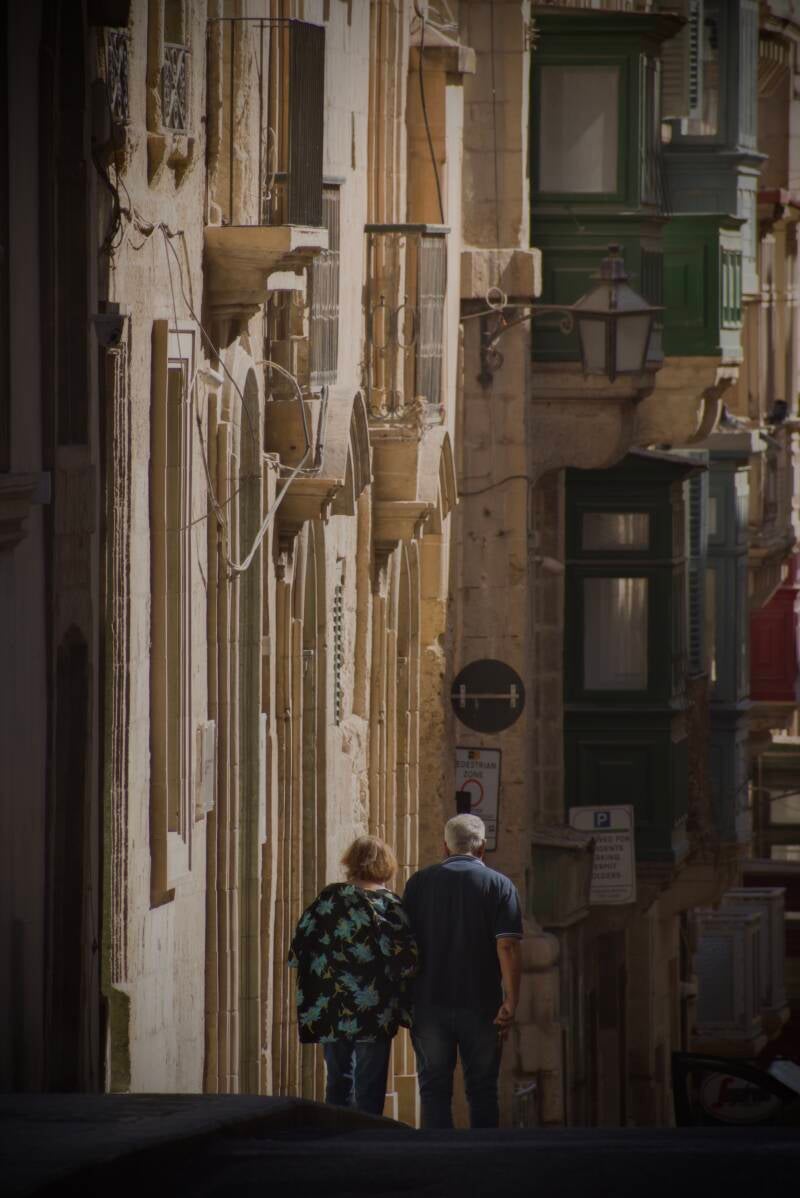
Valletta quickly became one of my favourite places in Malta.
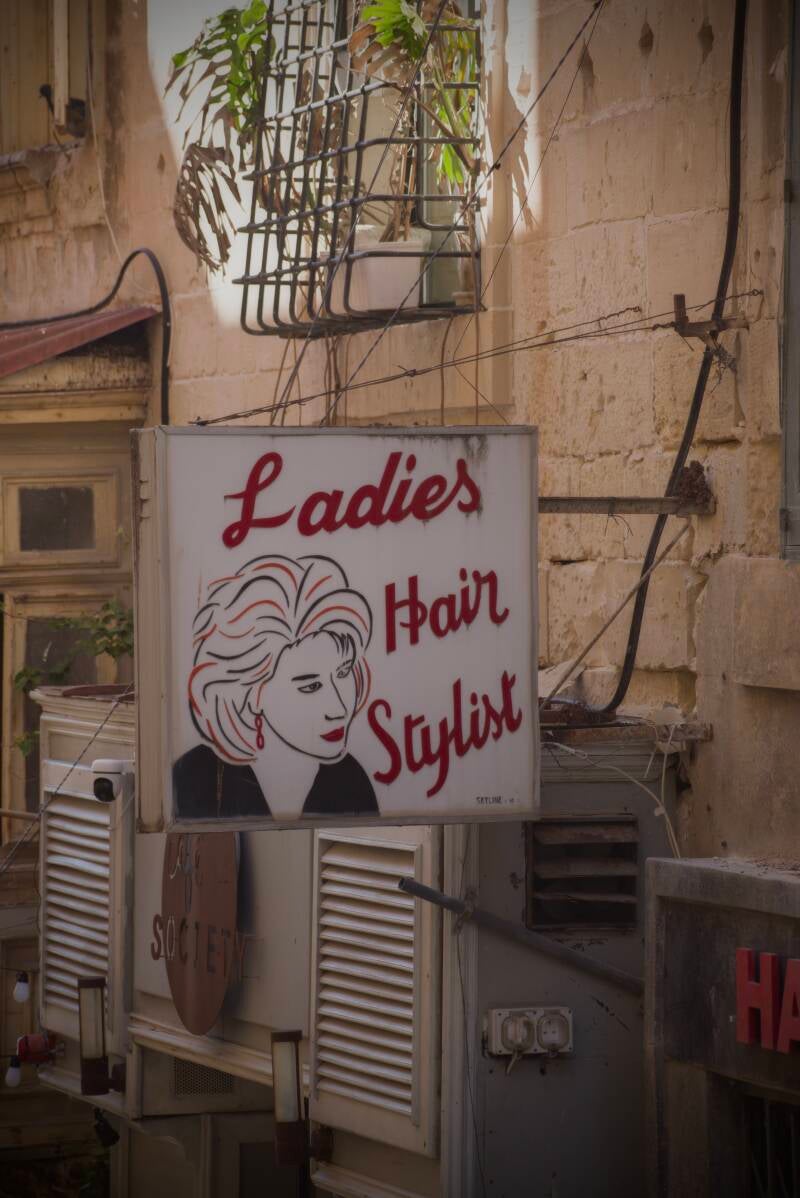
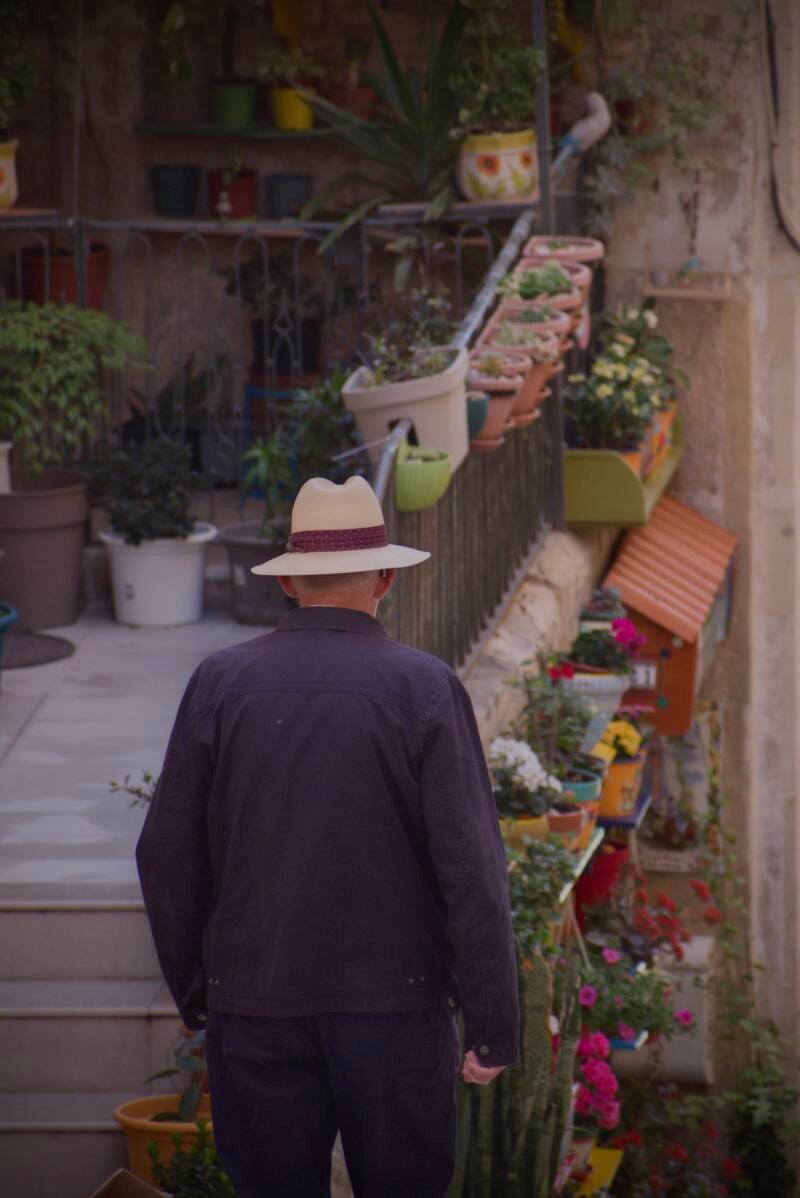
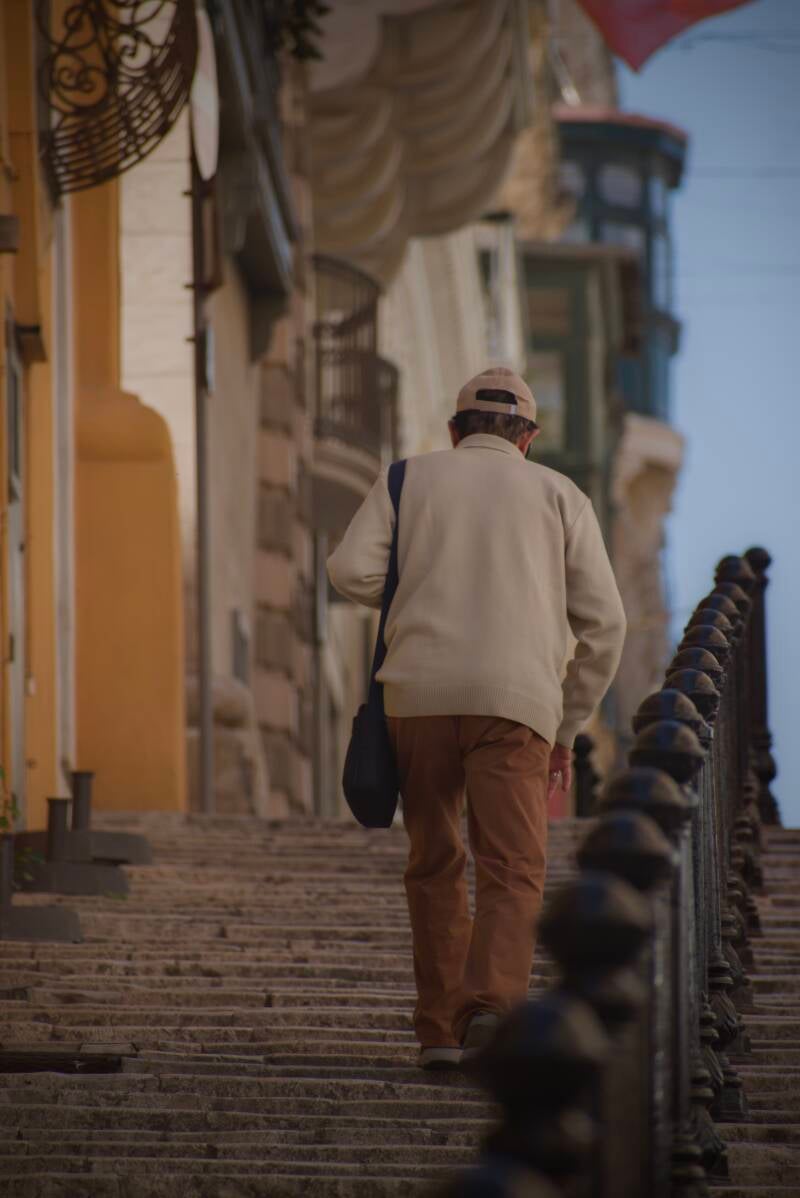
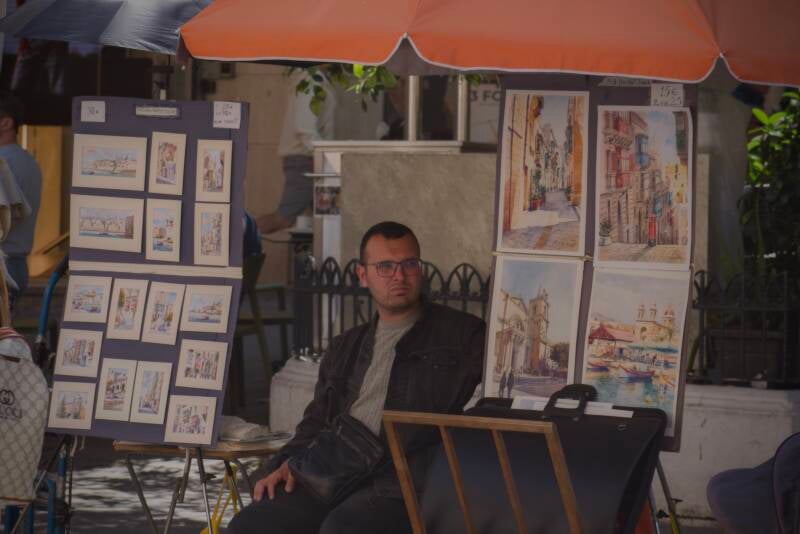
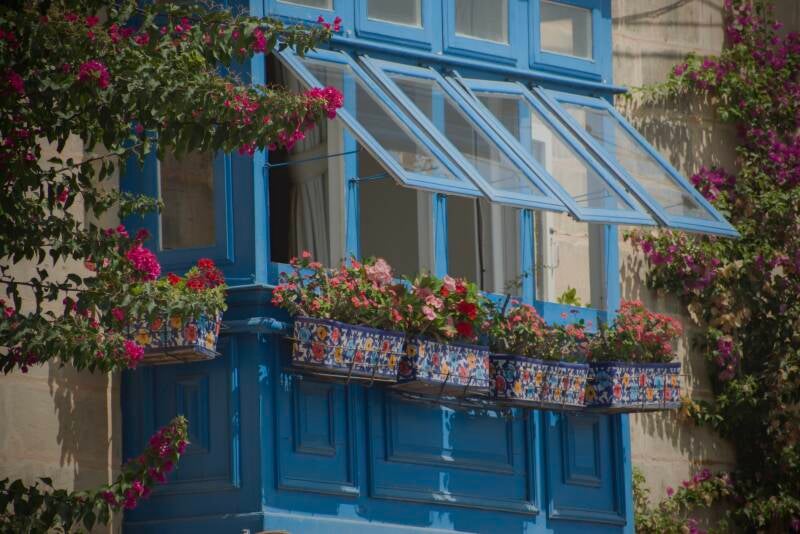
The capital isn’t very large, but almost every street looks like it belongs on a postcard. Colourful balconies, narrow alleys, sandstone buildings and small cafés make it one of the nicest cities to simply wander around without a plan. I mostly visited Valletta for street photography. Every corner seems to have something interesting to photograph, whether it’s the architecture, locals chatting outside cafés or one of the steep streets leading down towards the sea.
If you’re visiting Valletta, I’d recommend simply getting lost for a few hours. Walk through the quieter side streets, visit the Upper Barrakka Gardens for views over the Grand Harbour and stop for a coffee whenever you find a place that looks inviting. Make sure you start your visit as early in the morning as possible, as the streets can become super crowded fast.
Mdina & Rabat
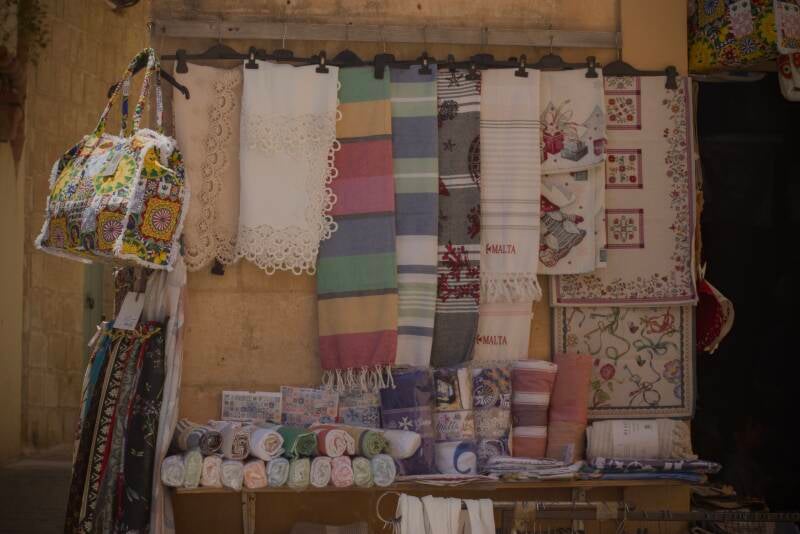
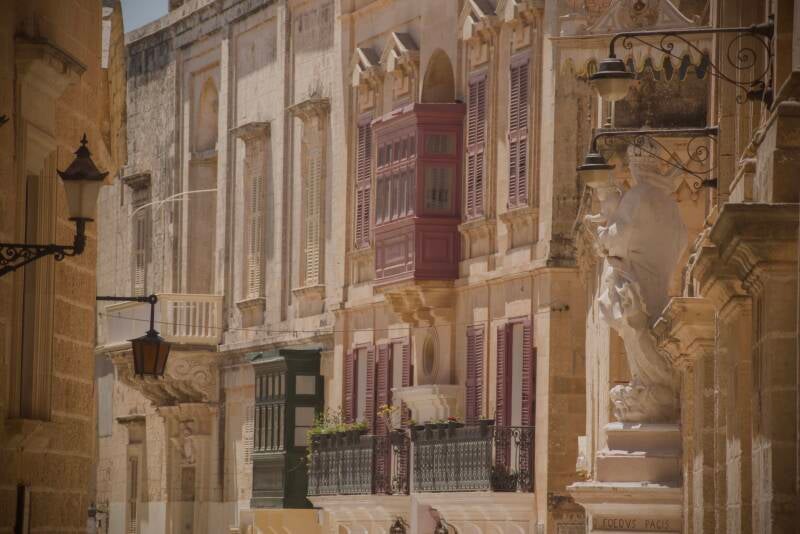
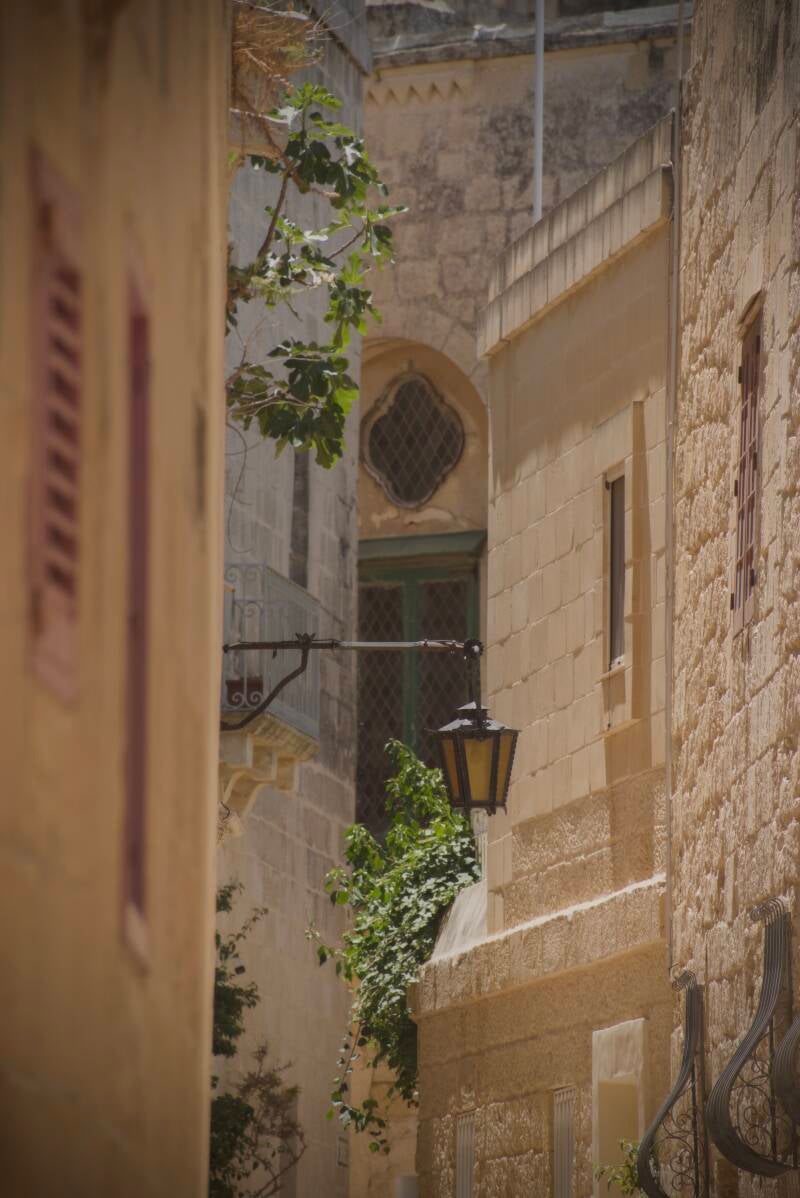
If there was one place that completely surprised me, it was Mdina. The medieval streets are incredibly beautiful, especially early in the morning or around sunset when most of the day-trippers have disappeared. As someone who enjoys photography, this was paradise.
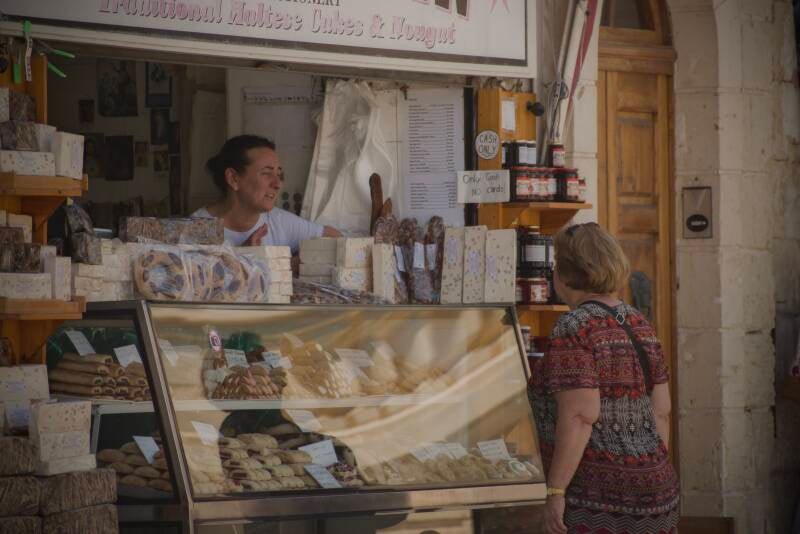
But don’t make the mistake of only visiting Mdina. Right next door is Rabat, which somehow felt even more charming to me. It’s much less polished, more authentic and has plenty of small cafés, bakeries and local shops. Walking through Rabat felt like seeing everyday Maltese life rather than just another tourist attraction.
Together they make a perfect half-day trip.
Exiles Beach & Sliema
Although I wasn’t the biggest fan of the St. Julian’s area overall, I did find myself returning to Exiles Beach quite often. It’s one of those places where locals gather after work to swim, barbecue or simply watch the sunset. During summer evenings there’s always a relaxed atmosphere with people sitting along the rocks enjoying the last bit of daylight.
The Sliema promenade is also a lovely for a walk in the evening. It stretches along the coastline for several kilometres, making it perfect for an evening stroll with views across the sea towards Valletta. If you’re staying nearby, it’s definitely worth ending your day here.
Marsaxlokk
One place that I definitely think is worth driving to is Marsaxlokk, a small fishing village on the southeastern coast of Malta. You can easily reach it by bus from Valletta, but having a car makes it much easier to combine with some of the nearby viewpoints and swimming spots.
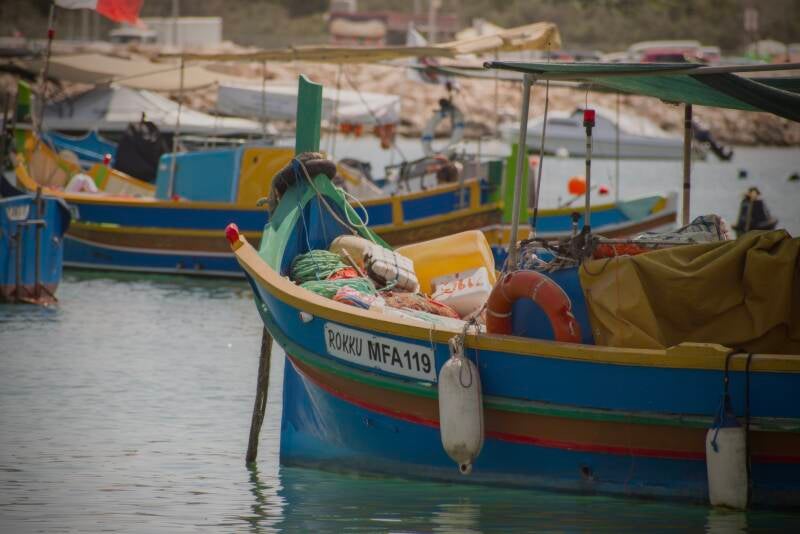
The harbour is exactly what you picture when thinking of Malta: dozens of colourful traditional fishing boats (called luzzus) floating on the water, little cafés lining the promenade and fishermen preparing for the day. It doesn’t take long to walk around, but it’s a lovely place to spend a morning.
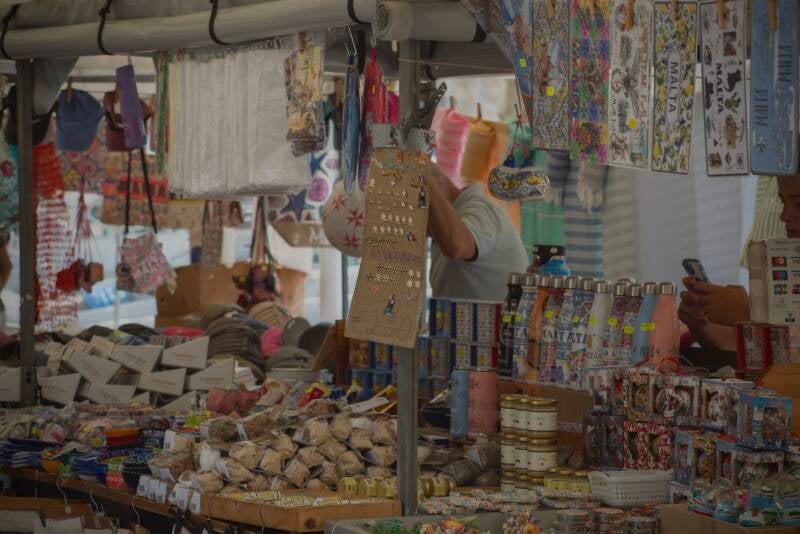
If you’re visiting on Sunday between 6:30 AM and 1 PM, you’ll find the famous fish market, where locals come to buy fresh seafood. I actually ended up there on a Friday morning and stumbled upon a little curiosities market instead, which was fun to browse through before grabbing a coffee.
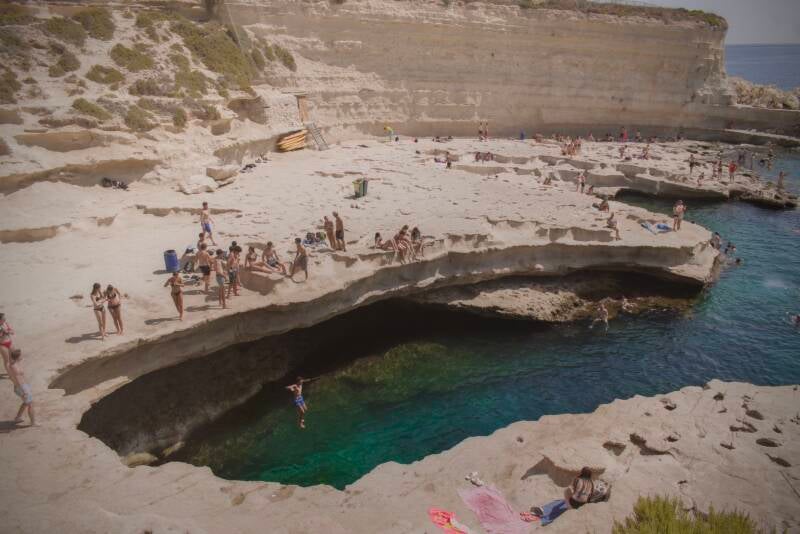
A few minutes further down the road you’ll find St. Peter’s Pool, one of Malta’s best-known swimming spots. It’s a natural rocky bay where people jump into the incredibly clear water. It’s beautiful… but also very popular, so don’t expect to have it to yourself during summer.
Since I don’t really enjoy crowds, I kept driving.
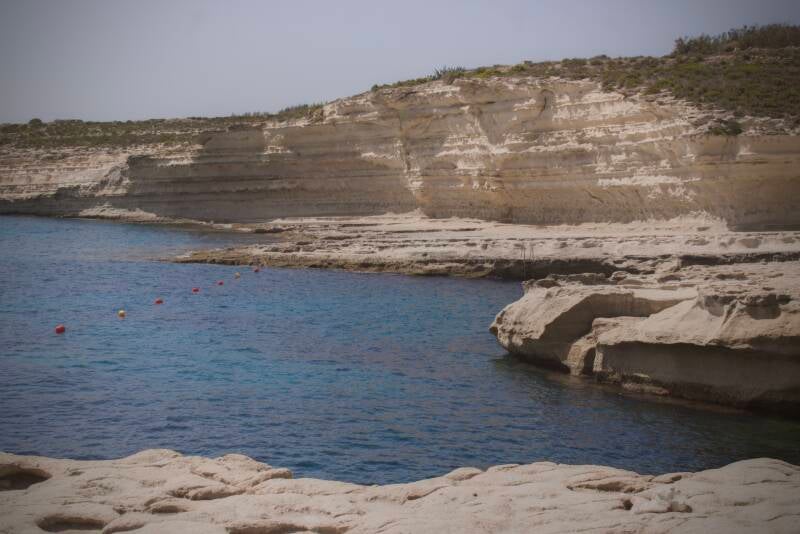
If you continue towards St. Paul’s Bay Parking (parking costs around €3 in cash), you can walk past the entrance of St. Peter’s Pool and follow a small path along the cliffs. If you turn left, you’ll eventually reach the Rock Formations near Delimara on Google Maps. Technically you’ll have to squeeze underneath a metal gate at one point (whoops), but I had the whole place completely to myself. From here you get a fantastic view of Hofriet Window, one of the less visited natural arches on Malta.
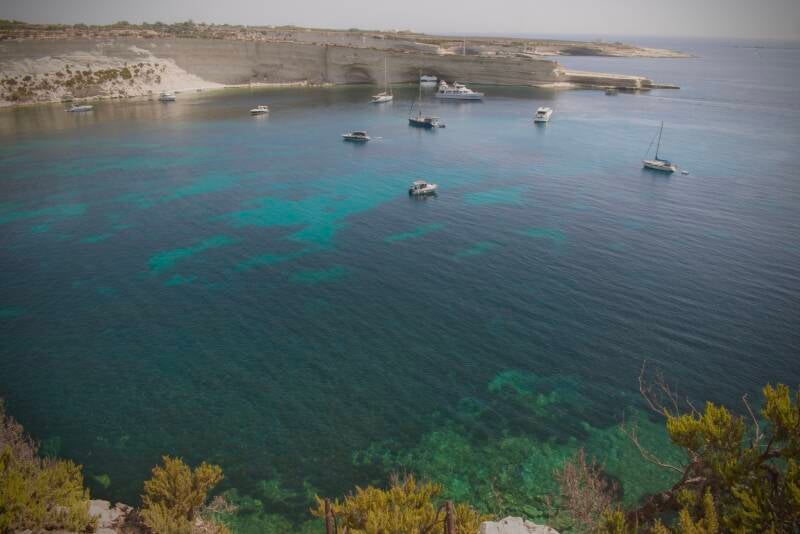
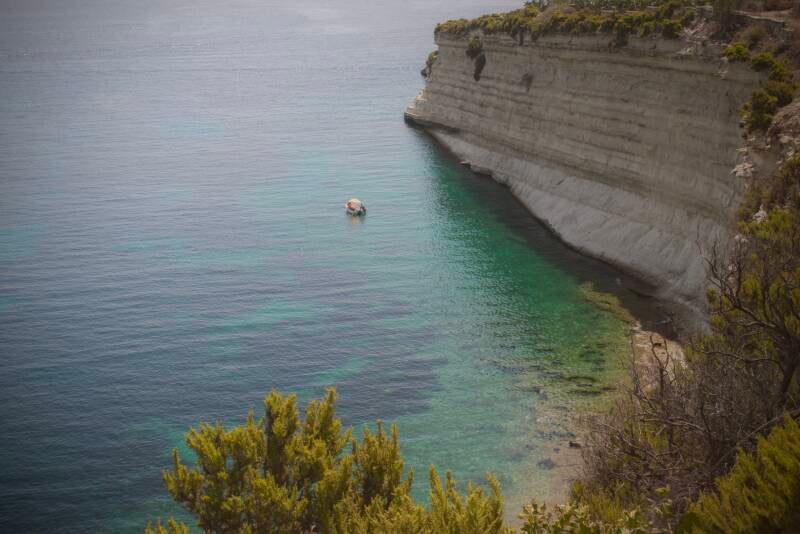
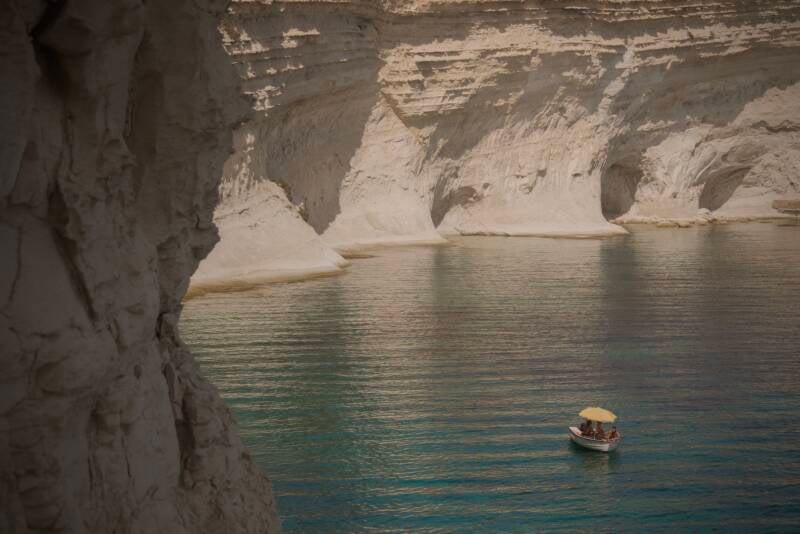
If you keep following the coastline towards Camel Rock, you’ll eventually find several quiet places where you can climb down into the water without hundreds of other people around. For me, this was a much nicer experience than swimming at St. Peter’s Pool itself.
Blue Grotto
Another place that’s much easier to visit if you have a car is the Blue Grotto.
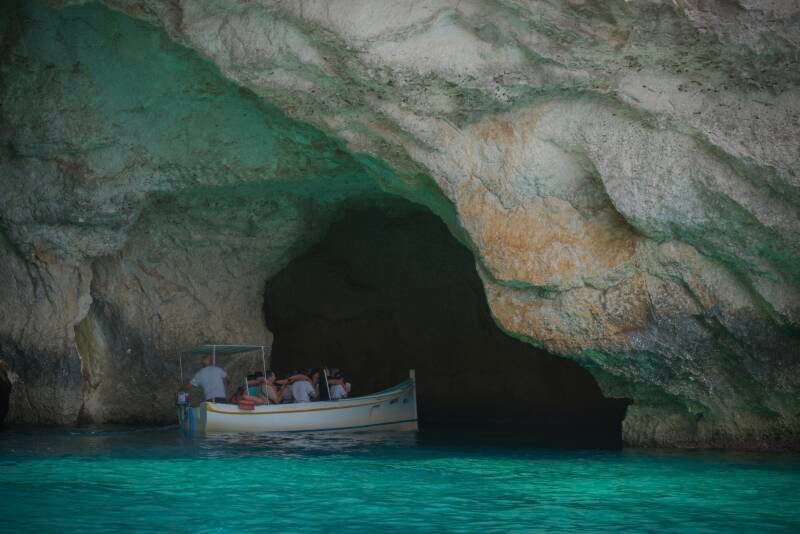
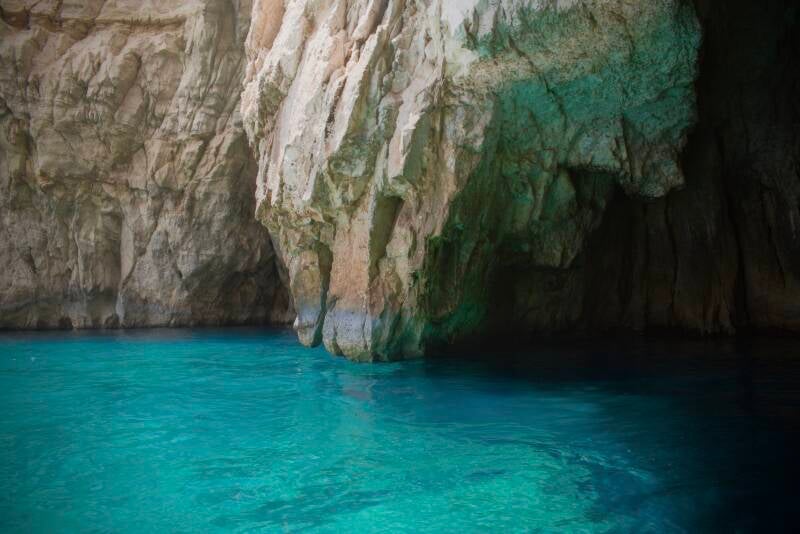
The viewpoint itself is beautiful, but the real attraction is getting out on the water. Small boats leave throughout the day from the Blue Grotto Boat Service, taking visitors through several sea caves carved into the limestone cliffs.
The tour costs €10 per person (cash only) and lasts around 20 minutes, which honestly felt like great value.
Anchor Bay
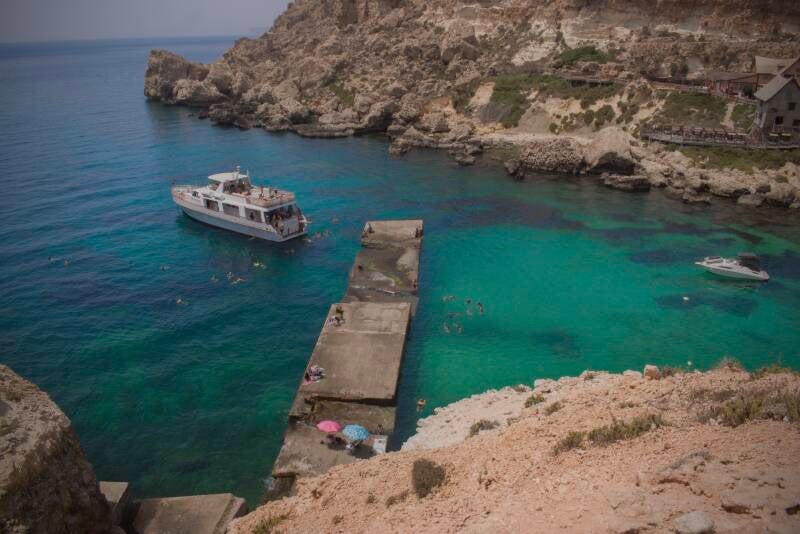
If you’re looking for somewhere to snorkel, I’d definitely recommend Anchor Bay.
Compared to some of Malta’s other swimming spots, the water here is usually calmer, stays fairly shallow and has excellent visibility. While snorkelling I spotted plenty of fish, crabs and even a few rays cruising over the sandy bottom.
Follow the road towards Anchor Bay Viewpoint, where you’ll find parking and easy access to the water. Even if you’re not planning on swimming, it’s still worth stopping for the views alone.
Foresta 2000 & Għadira Nature Reserve
After spending weeks living around St. Julian’s, I eventually reached the point where I desperately needed to see… trees.
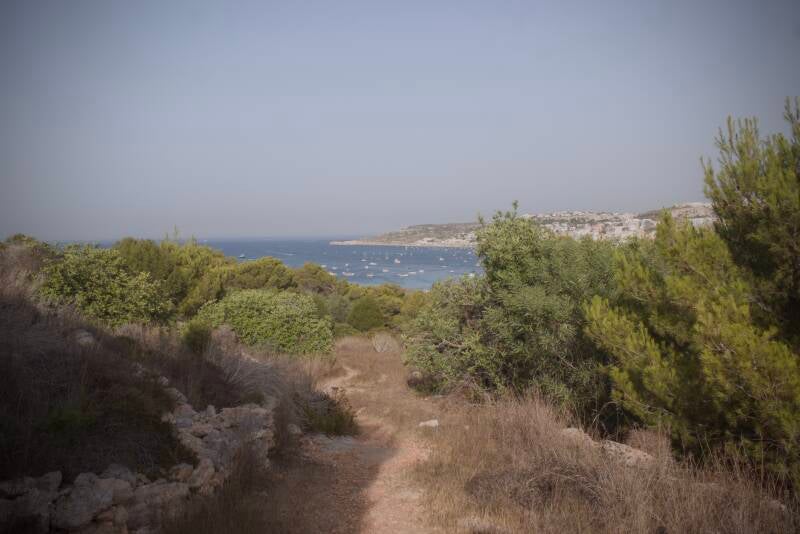
If you’re anything like me and start missing nature after too much concrete, Foresta 2000 Nature Reserve is probably one of the nicest green spaces on Malta.
Most people simply stop at the Red Tower, but before reaching it, turn left where you’ll find a parking area leading into the reserve. I first followed one of the larger paths towards the cliffs near Ras Tanit, which gives some beautiful coastal views. Afterwards I found a much smaller trail that starts near a few abandoned buildings and heads into the reserve itself. It felt surprisingly peaceful. No traffic. Hardly any people. Just birds, Mediterranean vegetation and actual shade for once.
I also spent a ridiculous amount of time scanning bushes because I was hoping to find another Mediterranean chameleon. Unfortunately they remained much better at hide-and-seek than I was at finding them.
While you’re in the area, it’s worth checking whether L-Għadira Nature Reserve is open. It’s Malta’s most important bird reserve and a great place for birdwatching, although unfortunately it was temporarily closed during my visit.
Gozo
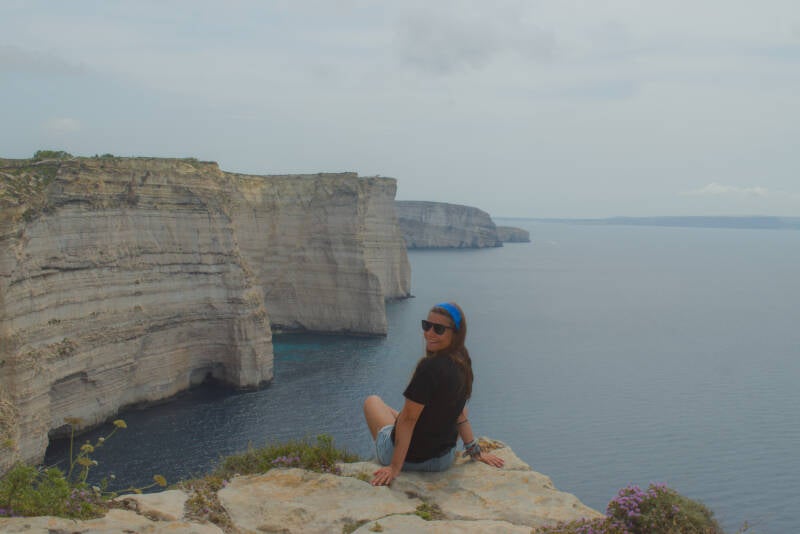
Gozo deserves its own blog post because I absolutely loved it. Compared to the main island, Gozo feels quieter, greener and far more rugged. The landscapes are dramatic, the pace is slower and it feels much closer to the type of places I naturally enjoy.
If you’re visiting Malta, don’t skip Gozo.
Seriously.
Other Places Worth Adding
There are still plenty of places on my Malta list that I either briefly visited or simply ran out of time for.
If you’re exploring the western coastline, it’s worth looking into Dingli Cliffs, Clay Cliffs, Il-Majjistral Nature & History Park, Ras il-Wahx, Gnejna Bay and Blata tal-Melh. That side of the island feels much wilder than the busy eastern coast and is probably where I’d spend more time if I ever came back.
My Favourite Coffee & Food Spots
One thing that surprised me was the coffee. Maybe I was unlucky, but finding consistently good coffee wasn’t as easy as I expected. After three months, however, I finally found a few places I kept returning to.
- Coffee Circus Lisboa (Valletta) became my favourite hidden coffee spot. Great coffee, a relaxed atmosphere and tucked away from the busiest tourist streets.
- Vanilla+ at Exiles Beach became my regular sunset stop. The coffee was strong, the cheesecake ice cream was dangerously good, and sitting there overlooking the sea was one of my favourite ways to end the day.
- Il Forno di San Giuliano became my morning ritual before work. After a while, I didn’t even have to order anymore—they already knew what I wanted. The staff were incredibly kind and their pastries made those early instructor mornings a little easier.
- Lot 61 Coffee Roasters is probably one of the best places in Malta if you’re serious about coffee. Great beans, good espresso and a nice terrace to sit outside.
- Manouche didn’t completely convince me with their coffee, but I would return purely for the dulce de leche pancakes. I still think about them.
- When it came to ice cream, Amorino in St. Julian’s completely ruined other gelato for me. It’s expensive, but the flavours taste incredibly natural and the texture is ridiculously creamy.
- For affordable local food, Bocconcino Café became one of my favourites. Huge portions, tasty food and even Aperol Spritz for around €6.
- Whenever I wanted something different, Sabai Jai Thai Bistro served some genuinely excellent Thai food, while China No. 1 Noodles became my go-to for massive portions at very reasonable prices.
- And finally, Maxims Pastizzeria. I honestly think I ate lunch there more days than I should admit. Cheap, filling and with enough different pastizzi that I never got bored.
Diving in Malta: Is It Worth It?
Having worked in Malta as a dive instructor for three months, I got to dive many of the island’s most famous sites over and over again. That also means I got a pretty good idea of what Malta does really well… and where it doesn’t.
Coming from a marine biology background, I have to admit that I found the marine life a little underwhelming. Don’t get me wrong, I still had some really nice encounters. I saw an eagle ray, several common stingrays, common octopuses, plenty of nudibranchs and the usual Mediterranean reef fish. But if you’re hoping for colourful coral reefs packed with sharks, turtles or huge schools of fish, Malta probably isn’t the destination you’re looking for.
Where Malta really shines is wreck diving.
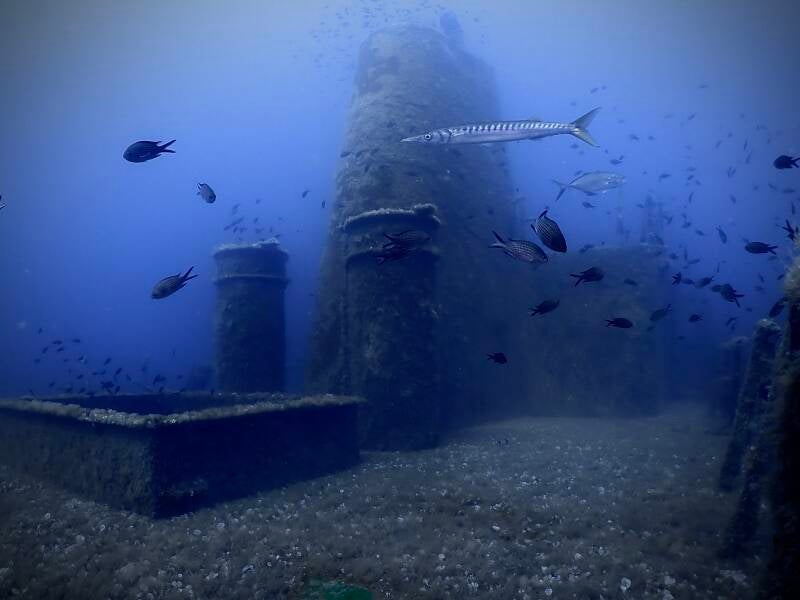
Some of the wrecks here are genuinely impressive. Ships like the Um El Faroud, Rozi and P29 have become world-famous dive sites, and for good reason. They’re enormous, covered in marine growth and make for incredible dives. The visibility is often fantastic as well (like the best I've ever experienced, often 30-40m), which makes exploring these wrecks even more enjoyable.

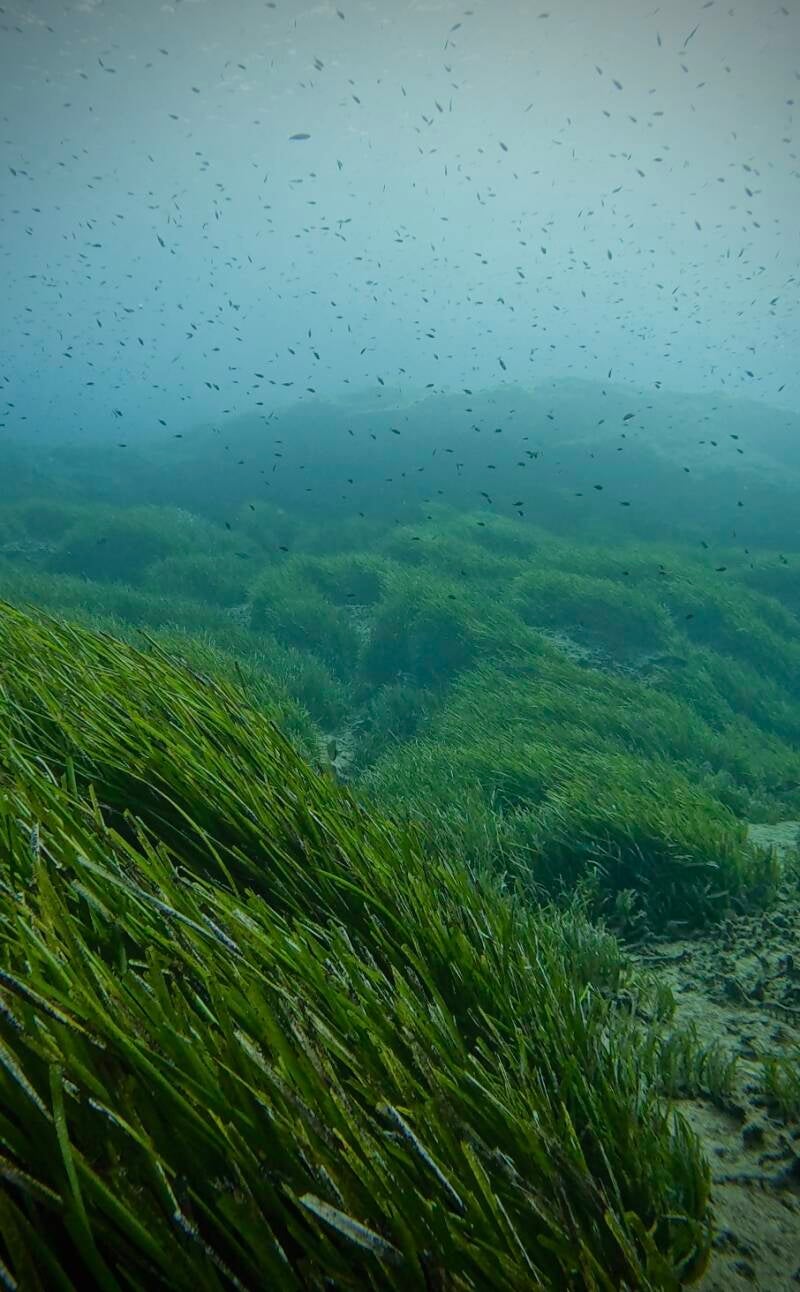
The underwater scenery deserves some credit too. The seagrass meadows are surprisingly beautiful, and places like Cirkewwa have dramatic swim-throughs, arches and rocky landscapes that make every dive interesting, even when the marine life isn’t particularly abundant.

One thing I would say though is that Malta becomes a much better dive destination once you’re certified beyond Open Water. Most of the iconic wrecks sit around 30 metres deep, meaning you’ll need at least an Advanced Open Water certification, and for some dives even a Deep Specialty, to visit them safely.
If you’re an Open Water diver, there are still some wrecks you can explore, such as X127, Maori and Tug 2. They might not be as spectacular in size as the deeper wrecks, but I actually found Maori to be one of the better dives when it came to marine life.
Both Gozo and Malta have tons of tech-diving schools, so if you're interested in adding some tech certifications to your list, Malta is definitely the place to do it.
So, is Malta worth diving?
I’d say yes, but for the right reasons.
Come here if you’ve always wanted to explore impressive wrecks, enjoy excellent visibility and dramatic underwater landscapes. If your main goal is seeing lots of marine life, there are definitely better destinations elsewhere in the world.
As a marine biologist, I left Malta feeling that the underwater ecosystems were beautiful in their own way, but it was the wrecks, not the wildlife, that kept bringing me back underwater.
Final Thoughts
Malta gave me mixed feelings. As someone who came here to work rather than simply holiday, I experienced a very different side of the island. It can feel crowded, chaotic and heavily urbanised, especially around St. Julian’s, and after a while I found myself missing forests, wildlife and open landscapes.
If you enjoy lively cafés, nightlife, history, diving, warm weather and being surrounded by the sea, Malta has a lot to offer. The history is fascinating, the diving is world-class, and places like Valletta, Mdina and Gozo are genuinely beautiful.
For me personally, though, I don’t think it’s somewhere I’d return to for another long stay. I’m grateful I had the opportunity to live here, and I’ve made some great memories along the way, but three months was enough to realise that I’m happiest somewhere with a little more nature and a little less concrete.
And honestly… that’s okay. Not every destination has to become your favourite to be worth experiencing.
Create Your Own Website With JouwWeb