

Playa Del Carmen & Tulum
When I was planning my Mexico itinerary, Playa del Carmen wasn’t actually supposed to be one of my main stops. I mainly planned to stay there because it was convenient for getting to Cozumel, and that was pretty much it. Then people started telling me that I had to do cenote diving.
Mexico is famous for its cenotes, and apparently visiting the Yucatán Peninsula without diving in one is some kind of missed opportunity. The problem? I was absolutely terrified of the idea. I had watched far too many videos about cave diving accidents gone wrong, which, unsurprisingly, did absolutely nothing to improve my confidence about swimming into a dark hole in the ground. I had always been more of an open-ocean diver, where at least you can look up and see… well, the entire ocean. Cenotes felt completely different.
But eventually I decided that I was already in Mexico, I was a diver, and this was probably one of those situations where I just needed to stop overthinking it and face the fear. So I changed my itinerary, added a few extra days in Playa del Carmen and booked four cenote dives.
And honestly? I’m very glad I did.
If you’re not a diver, Playa del Carmen and Tulum are still worth visiting for the cenotes, Mayan ruins and snorkelling opportunities, but for me, the cenotes were basically the entire reason I went.
Getting to Playa del Carmen from Cancún
Getting from Cancún to Playa del Carmen is incredibly easy, especially if you’re travelling independently.
I took an ADO bus from the main ADO station in central Cancún, the Terminal Autobuses ADO. There are buses heading towards Playa del Carmen roughly every 20-30 minutes, so you don’t have to plan your entire day around one specific departure.
I took the Playa del Carmen Turística, which is one of the smaller express buses, and paid around 90 MXN for the journey. You just have to go to one of the ticket offices, and they will send you on the first bus departing to your destination.
The trip took roughly an hour and dropped me off at the ADO Playa del Carmen Terminal Turística, conveniently located right next to the ferry terminal. This is particularly useful if you’re also planning to head over to Cozumel afterwards.
Make sure to wear long pants and take a sweater with you on the bus, it gets freezing cold.
Where to Stay in Playa del Carmen
I stayed at Hotel B&B, which was about a ten-minute walk from the ADO bus station. For three nights I paid around 1,300 MXN, and that got me a huge private room with an equally huge bed.
Now, the reviews aren’t exactly spectacular, so I wasn’t expecting much. But honestly? I had a great stay. It was quiet, I had everything I needed, and there was a little courtyard with trees where I could sit outside. And, most importantly, there was a cat. That’s basically enough for me to recommend a hotel.
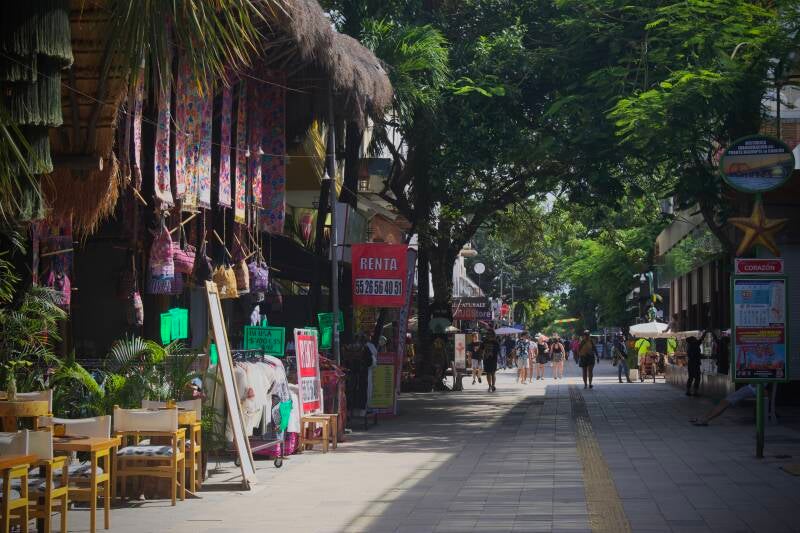
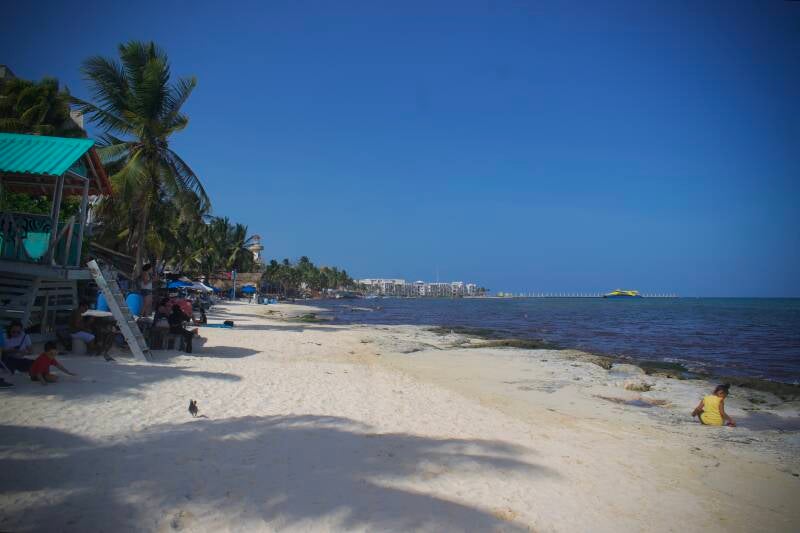
The location was also really convenient. It was about a three-minute walk from 5th Avenue, the main tourist street, and the beach, while Walmart was only around five minutes away. So I could easily grab food and snacks without having to turn the whole thing into an expedition.
For a short stay focused mainly on diving, it worked perfectly for me.
Cenote Diving in Mexico
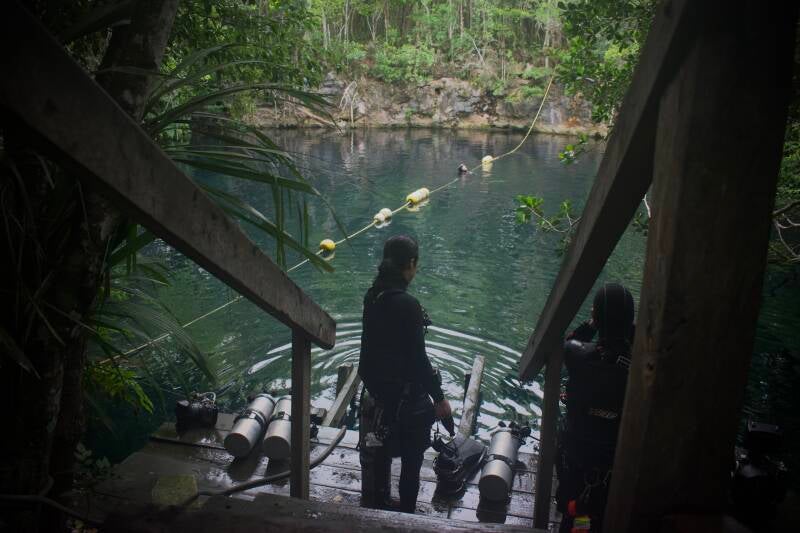
And now for the actual reason I was here. Before booking these dives, I had to understand the difference between cenote/cavern diving and cave diving, because they are not the same thing. Cavern diving keeps you within the area where you can always see natural daylight and remain within 60 metres (200 feet) of an entrance. Full cave diving is a completely different qualification and allows you to go beyond those limits.
This distinction was quite important to me because I had absolutely no intention of accidentally turning my holiday into a full cave-diving career.
I booked my dives with Deep Mexico, a smaller dive centre that I found online. One thing I really liked about them was that they didn’t just give me a fixed itinerary and send me on my way. They asked what I wanted to see and allowed me to choose the cenotes. There was one I knew immediately that I wanted to do: Angelita.
The other three I left up to my guide, who adapted the itinerary to my diving level and what I enjoyed during the first dives. That personal approach made the whole experience much more comfortable, especially considering I was already slightly terrified of the whole concept.
They picked me up directly from my hotel and organised pretty much everything, including the cenote entrance fees, lunch and drinks. The dives weren’t particularly cheap, at roughly 2,300 MXN per dive, but considering everything that was included and the quality of the experience, I honestly thought it was worth it. Gustavo was my guide, and he was absolutely fantastic. With more than 30 years of experience, he knew all the cenotes so well.
Over two days I visited four completely different cenotes: Angelita, Puerto Al Cielo, Yaakun and Chikin Ha.
Edit: I added two more after I came back from Cozumel!
And yes, I survived all six.
Angelita
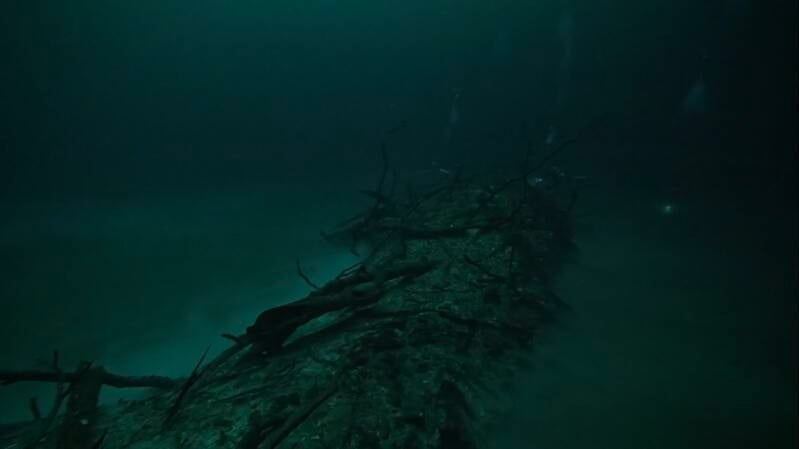
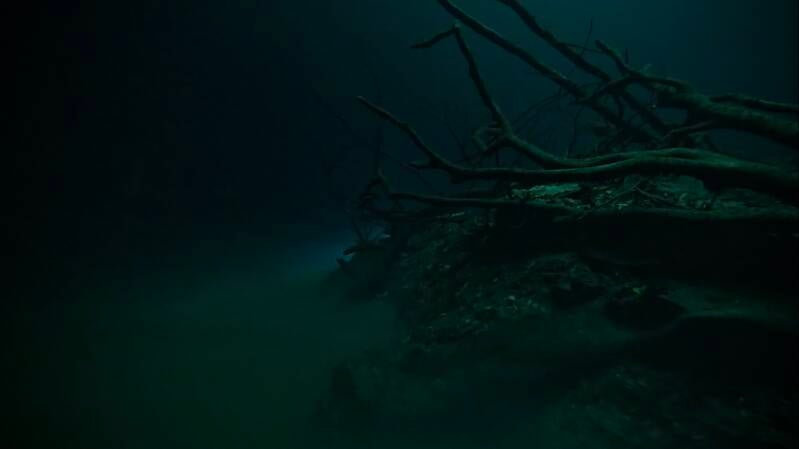
Angelita was the dive I had been waiting for, although I’m not sure waiting is the correct word considering I was also slightly terrified. It’s one of the most famous cenotes in the area because of the hydrogen sulfide cloud sitting at around 30 metres.
The dive starts as a huge open-water-looking hole, and as you descend, everything starts changing. At around 30 metres you reach the hydrogen sulfide layer, which looks almost like a cloud or a fog bank underwater. You can actually cross through it. And then suddenly… everything disappears. Once you’re below the cloud, you need your torch because it becomes pitch black.
It was absolutely surreal and, honestly, very disorienting. You’re underwater, surrounded by darkness, and the landscape looks nothing like a normal dive.
Was it beautiful? Yes. Was it spooky? Absolutely.
I would definitely recommend Angelita, but I’d personally only do it if you’re already a relatively experienced diver and comfortable with deeper diving and limited visibility. It is not the place where I would recommend someone make their first ever slightly-scary diving experience.
Puerto Al Cielo
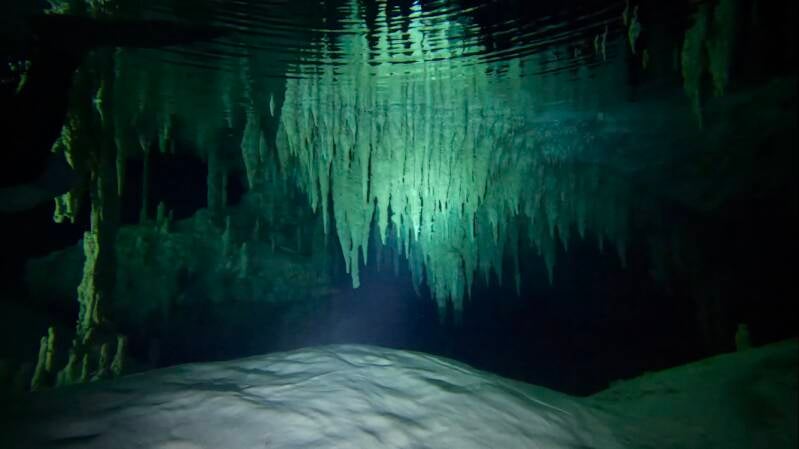
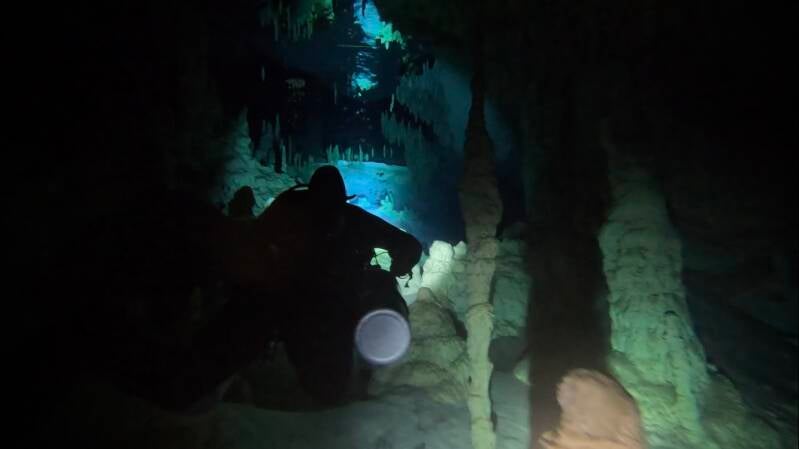
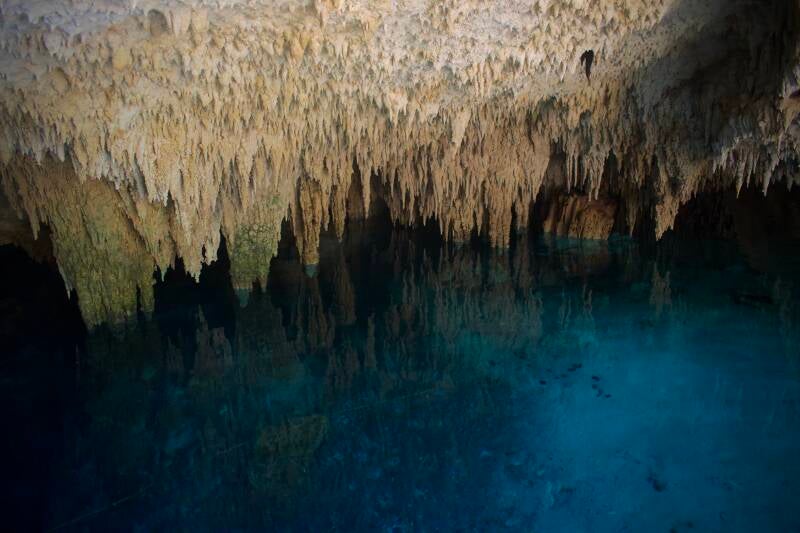
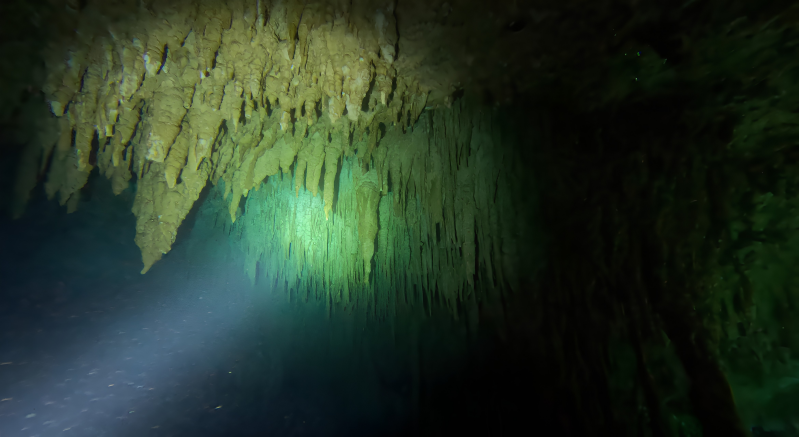
Puerto Al Cielo was completely different. Instead of feeling like you’re descending into one giant open hole, this cenote has much more of a cave-like environment. You follow a line through the system, with stalactites surrounding you.
And wow. This one was gorgeous.
Yaakun
Yaakun was more similar to Angelita in the sense that it had that slightly spooky, enclosed feeling that I was still getting used to. It was beautiful, but it wasn’t my favourite of the four.

Chikin Ha
Chikin Ha was another favourite. Like Puerto Al Cielo, it had more of that cave-like feeling, with beautiful formations and passages to swim through, a really thick halocline, but what made it particularly cool were the openings above you. Every now and then you’d swim underneath one of the cenote openings and suddenly natural light would pour into the cave.
Going from dark cave to bright blue sunlight and then back into darkness again was absolutely incredible.
This was probably the point where I stopped thinking, “Oh god, I’m diving inside a cave” and started thinking, “Okay… this is actually really freaking cool.” And that’s saying something considering how nervous I was before starting this whole thing. Unfortunately, I had to pay 250 MXN for carrying a GoPro within the cave, which I decided not to do. I regretted this decision!

And then I came back...
At this point I thought I was done. I left Playa del Carmen and headed to Cozumel, with the plan being to come back afterwards and take the bus straight to Cancún.
Except… apparently four cenote dives weren’t enough.
I had enjoyed them so much that when I came back from Cozumel, I completely changed my plans and added two more dives.
So much for my original plan of simply getting on a bus to Cancún.
Tajma-Ha
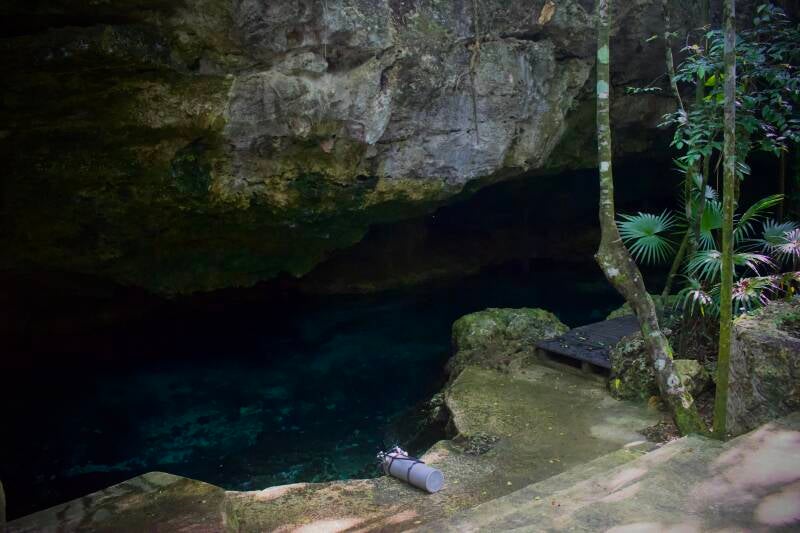
The first extra dive was Tajma Ha, which had some similarities to Chikin Ha but still felt completely different.
Once again, we were moving through these incredible underground formations, but what really stood out were the natural openings above us. Every now and then, beams of sunlight would come through the water and illuminate the cave.
I know describing this as magical is probably the most cliché thing a travel blogger can possibly say, but…
It was magical.
There, I said it.

Dreamsgate
And then there was Dreamsgate, which was probably the most different experience of the whole lot.
We managed to do both lines in one dive, which meant we got to explore much more of the cenote system in a single dive.
The whole environment felt completely different from the other cenotes I’d already visited. At this point I’d seen enough cenotes to start noticing how different each one could be, despite technically all being underground freshwater systems. And Dreamsgate definitely didn’t feel like a repeat of anything I’d already done.
By the end of these two additional dives, I had gone from being genuinely nervous about cenote diving to actively rearranging my travel plans so I could come back and do more.
I think that says enough.

What Else to Do Around Tulum?
Obviously, cenote diving isn’t for everyone, and you definitely don’t need to be a diver to enjoy this part of Mexico. If you’re staying around Playa del Carmen or Tulum, I’d still recommend visiting some cenotes for snorkelling. You can experience the crystal-clear freshwater, swim through the caves and see the incredible geological formations without having to commit to diving into a dark underground hole.
And then there’s the other major reason people visit Tulum: Mayan ruins.
The area around Tulum is home to several important archaeological sites, so if you have more time, you can easily combine cenotes with a day of exploring the ancient Mayan sites.
For me, though, I was mostly here to dive. I had already spent enough time looking at historical sites during other parts of my travels, and apparently my brain had decided that swimming underground was the better use of my holiday.
Fair enough.


Final Thoughts
I went to Playa del Carmen because other divers told me I couldn’t come to Mexico without doing cenote diving. I almost didn’t listen to them. The idea genuinely scared me, mostly because I had spent far too much time watching videos of cave diving accidents and convincing myself that I was definitely going to become the next cautionary YouTube video.
And then something slightly unexpected happened: I absolutely loved it.
I did the original four dives I had planned, went to Cozumel, and was supposed to simply return to Playa del Carmen and take a bus straight to Cancún.
Instead, I came back.
I added two more dives because apparently I had developed a sudden inability to leave Mexico without exploring even more holes in the ground. Six cenote dives later, I can confidently say that I’m very glad I pushed myself to do it.
Cenote diving is completely different from anything I’ve experienced in the ocean. There are no colourful reefs, no sharks swimming past and no giant schools of fish. Instead, you’re diving through geological formations, darkness, freshwater and caves that look like they belong in another planet.
As someone who normally dives because I want to see marine life, this was a completely different experience. And perhaps that’s exactly why I enjoyed it so much.
It also reminded me that sometimes being a diver means getting slightly outside your comfort zone. I went from “absolutely not, I’m never diving into that thing” to voluntarily swimming through pitch-black water underneath a hydrogen sulfide cloud. Character development, I guess.
So if you’re heading to the Yucatán Peninsula and you’re a certified diver, put at least one cenote dive on your itinerary. Do your research, choose a reputable dive centre and make sure the dive matches your certification and experience level.
And if you’re not a diver, don’t worry. You can still experience these incredible places by snorkelling.
Just maybe don’t watch five hours of cenote accident videos beforehand like I did.
Create Your Own Website With JouwWeb