

Valladolid & Chichen Itza
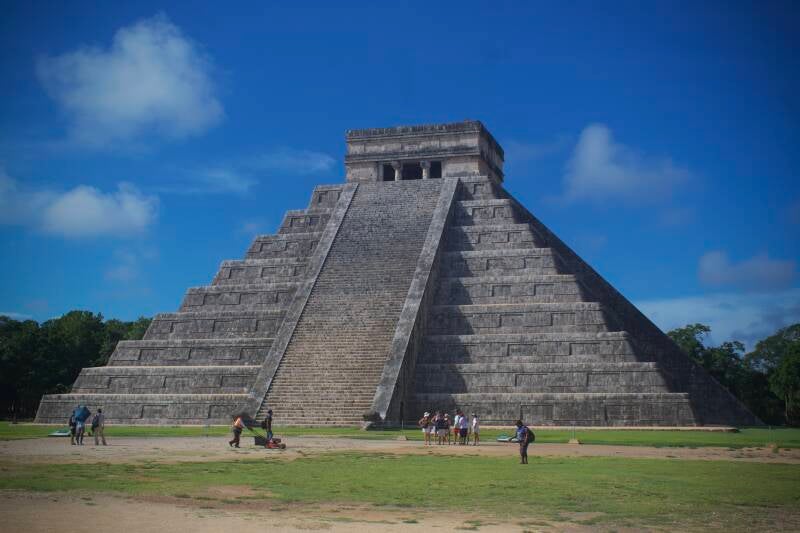
When planning my Mexico itinerary, there was one place I knew I wanted to visit: Chichén Itzá.
Not only because it is one of the most important archaeological sites in Mexico and one of the most famous Maya sites in the world, but also because it was going to be number six on my personal list of the New Seven Wonders of the World. Only one more to go.
Most people visiting Chichén Itzá stay in Cancún, Playa del Carmen or Tulum and visit the archaeological site as part of a day tour. And sure, you can do that. But honestly, I think you’re missing out a little by doing it that way. Instead, I decided to stay in Valladolid, a small colonial city in Yucatán that is only around 40-45 minutes from Chichén Itzá. It ended up being one of my favourite places in Mexico so far.
Valladolid is colourful, lively and much less overwhelmed by tourism than the Caribbean coast. It still feels like an actual town rather than a place that exists entirely for tourists, and there is plenty to see and do around it. Plus, staying there means you can get to Chichén Itzá before the crowds arrive from Cancún.
And trust me, you want to do that. Because Chichén Itzá at 8 AM and Chichén Itzá at 10 AM may as well be two completely different places.
How to Get There
Getting from Cancún to Valladolid is relatively straightforward.
I took an ADO bus from the main ADO station in central Cancún, the Terminal Autobuses ADO.
The journey took around two hours and my ticket cost approximately €22.
One thing I would recommend is booking your ticket ahead of time, especially if you know your travel dates. The bus I took was completely full, and there aren’t endless departures to Valladolid throughout the day.
I booked through Busbud and received the ticket by email with a QR code. This meant I could simply scan it when boarding and didn’t need to exchange it for a physical ticket at the station.
And now, an important warning that I feel is necessary after having experienced it myself: bring a sweater!
Yes, you’re going to Yucatán. Yes, it is approximately 40°C outside. Yes, you will probably be sweating within three minutes of leaving the bus station.
And yes, the ADO bus will somehow have the air conditioning set to Antarctica. I went from “oh god I’m melting” to “I can no longer feel my fingers” somewhere halfway through the journey.
Where to Stay?
I stayed at Ariché Valladolid Hotel & Hostel, where I booked a dorm bed for around €10 per night. And the hotel itself was absolutely fine.
The location was actually fantastic. It was only around three minutes from the main plaza and two minutes from the bus station, which made getting around incredibly easy. There was just one tiny problem.
I had accidentally booked a sauna.
During the week I stayed in Valladolid, a heatwave decided to make an appearance. Temperatures climbed to around 40°C with extremely high humidity. My dorm room had eight people packed into a tiny room and, for reasons I still don’t fully understand, the air conditioning was only turned on from 9 PM to 7 AM. I genuinely thought I was going to evaporate. I was sweating so much during the day that drinking water almost felt pointless. I’d take a sip and five seconds later my body would apparently decide: excellent. Let’s get rid of that immediately.
After one night, I thought, okay, I can survive this. After the second night, I went to reception. “Do you have a private room with 24-hour air conditioning?” They did. I paid an extra €40 for two nights. Best €40 I spent in Mexico. I slept like an absolute princess while my body finally stopped trying to turn itself into soup.
So, while the dorm was incredibly cheap and the location was excellent, if you’re visiting Valladolid during a heatwave, please check what the air-conditioning situation actually is before booking.
Your future self will thank you.
How to Get Around Valladolid
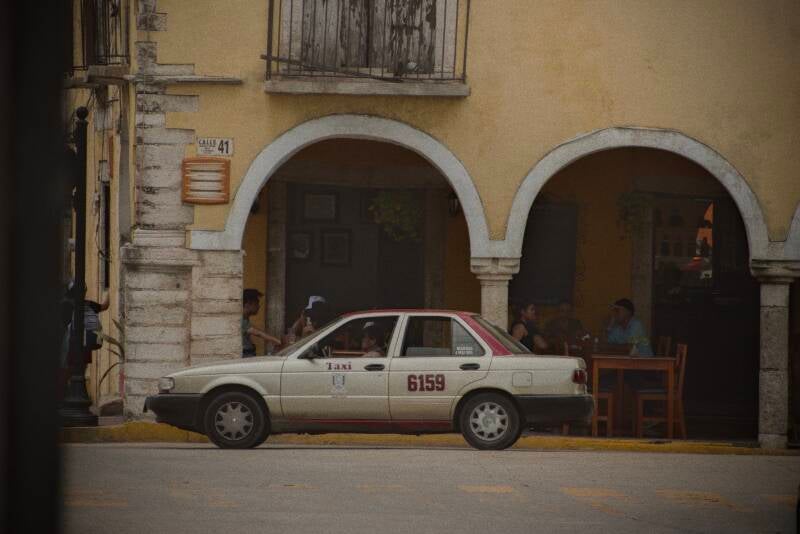
Valladolid itself is relatively easy to explore, especially around the historic centre. Taxis are the main form of transportation, as Uber isn’t available here.
However, if you’re planning to explore more of the surrounding area, I would seriously consider renting a car. Cancún is probably your best option for this because there are more rental companies and vehicles available, while renting directly in Valladolid can be more expensive and the selection is smaller. There is also a mandatory insurance component when renting a car in Mexico, so make sure you understand exactly what is included in the quoted price before booking.
Having a car gives you a lot more freedom, especially because there are tons of cenotes, archaeological sites and smaller attractions around Valladolid. You can also rent motorcycles if you have the appropriate licence. For Chichén Itzá itself, however, you don’t need a car.
Chichén Itzá: go early. Seriously.
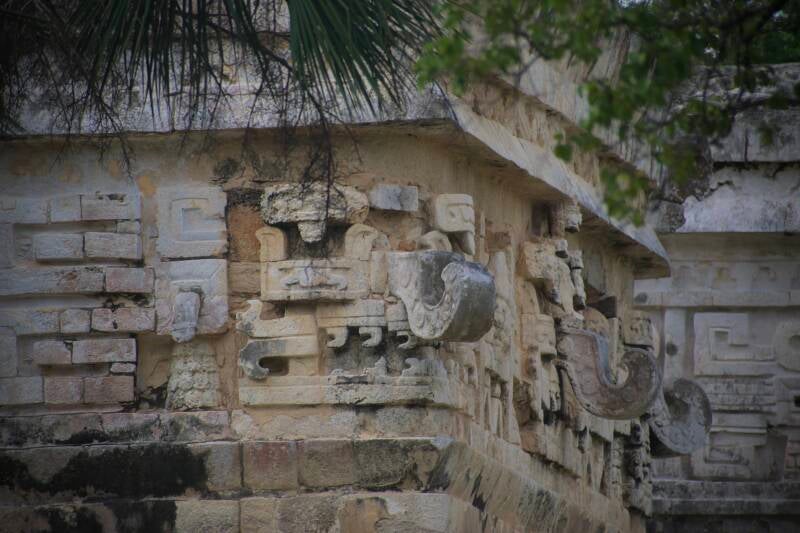
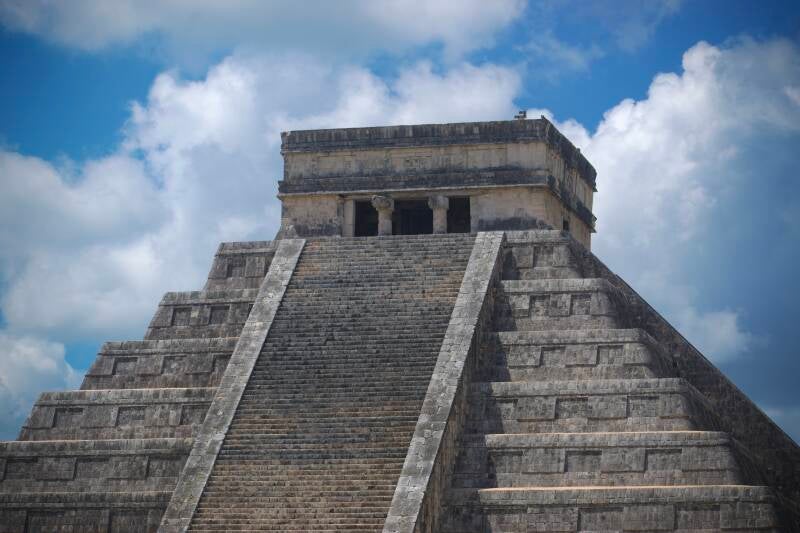
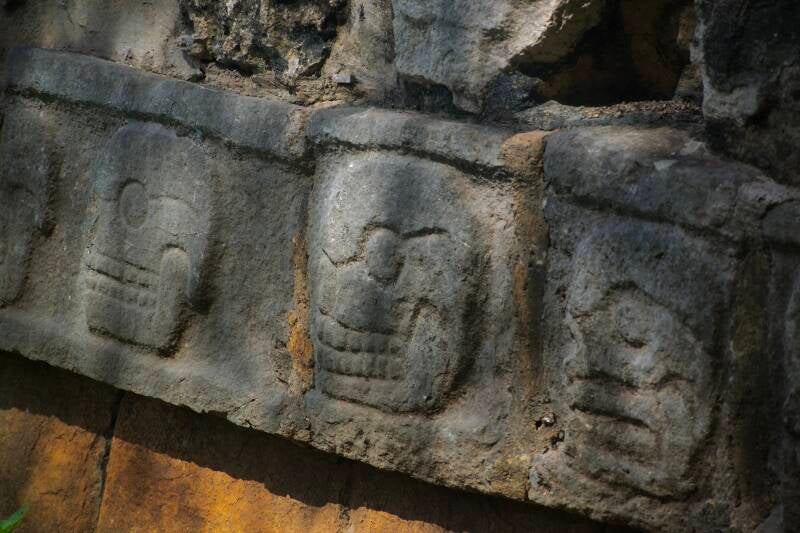
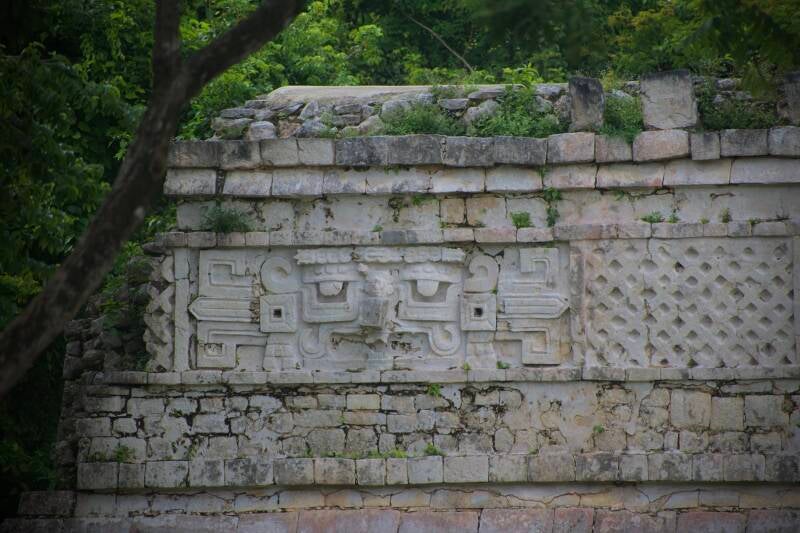
Chichén Itzá is one of the most famous archaeological sites in Mexico and was once one of the largest Maya cities in the Yucatán Peninsula. The site is particularly famous for El Castillo, the enormous stepped pyramid dedicated to Kukulcán, but there is much more to explore around the archaeological complex, including temples, ball courts, columns and other monumental structures.
And yes, it is absolutely worth visiting.
But here’s my biggest piece of advice: be there at 8 AM. Not 9. Not 9:30. Not “we’ll get there around 10, it’s probably fine.”
8 AM.
I used the local colectivo from Valladolid because it was by far the easiest and cheapest way to get there early.

How to get to Chichén Itzá from Valladolid
There is a local colectivo departure point right next to the ADO bus station, on the opposite side of De Alcocer street.
On Google Maps it’s listed as “Base de Urvan a Chichenitza”, and you’ll also see a big sign saying Chichén Itzá. The first colectivo leaves at around 7 AM, which is perfect because it gets you to the archaeological site shortly before opening.
I bought my ticket at around 6:40 AM. By 6:50 AM, the colectivo was already full. So don’t stroll over at 6:59 thinking “I’ll just hop on.” You might be hopping onto nothing.
The return ticket cost me around 100 MXN in cash. The journey took approximately 45 minutes.
There should apparently be colectivos roughly every 30 minutes, but I’d take that schedule with a little flexibility. When I wanted to return to Valladolid later that day, I ended up waiting for more than an hour. To return, you need to go back to the same general area where the colectivo dropped you off. The driver should tell you where to wait. There is a person there who organises the departures, although they don’t necessarily have a big obvious sign saying “THIS IS WHERE YOU WAIT FOR YOUR COLLECTIVO.” If you’re confused, just ask someone. The guides standing at the entrance will generally point you in the right direction.
There is also an ADO bus going to Chichén Itzá, but it leaves later than the colectivo. That means you won’t arrive as early, which is exactly what you don’t want.
Getting into Chichén Itzá
I arrived shortly before opening and could already buy my ticket. For foreigners, the entrance fee was 697 MXN when I visited.
At 8 AM, the gates opened. And honestly, getting there at opening time was probably the best decision I made. For the first part of my visit, the site was almost empty. I got to photograph El Castillo with barely anyone around, walk through the complex without constantly bumping into tour groups and actually take my time looking around. It was also noticeably cooler.
And then… Around 10 AM, the floodgates opened. Tour buses started arriving from Cancún and the entire atmosphere changed. Suddenly there were people everywhere. And the vendors. SO MANY VENDORS.
They start setting up around opening time, but it felt like they were particularly preparing for the wave of people arriving with the later tours. So while I was already walking around peacefully at 8 AM, by 10 AM the place had transformed into something completely different.
I left just as the big groups were arriving. Perfect timing.
Do you need a guide at Chichén Itzá?
Personally, I didn’t get one. I spent a little over two hours exploring the site on my own and was perfectly happy doing so.
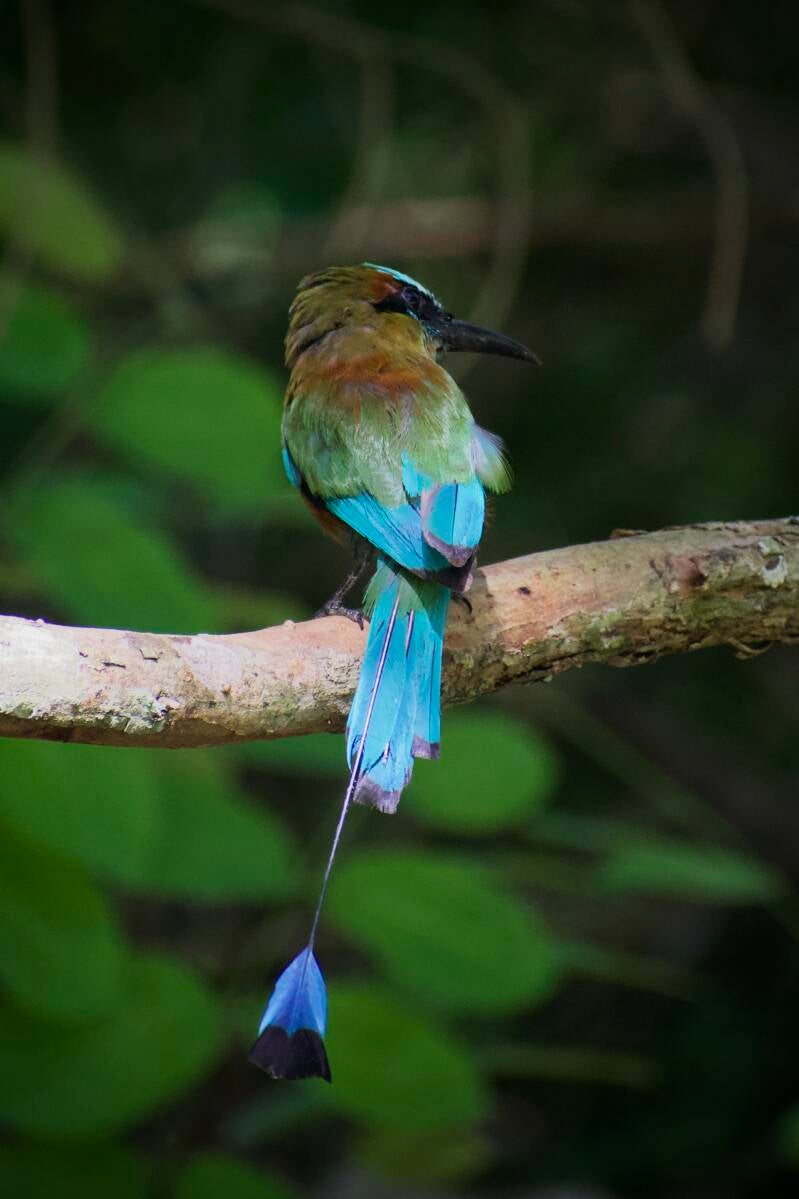
If you’re particularly interested in Maya history and archaeology, getting a guide could obviously add a lot more historical context. But if you prefer exploring independently, you can absolutely do that too. I was more interested in wandering around, taking photos and enjoying the site without being attached to a tour group. And, naturally, looking for wildlife. Because apparently I cannot visit an archaeological site without doing that.

Surviving the Yucatán heat
I cannot stress this enough:
Bring water.
And then bring more water.
Chichén Itzá is a huge open-air archaeological site with very little shade in many areas. Once the sun is properly up, it gets brutally hot.
Bring:
- Plenty of water
- A hat
- Sunscreen
- Comfortable shoes
- Something to protect you from the sun
- Enough snacks if you’re planning to stay for several hours
Going early solves half the problem. The other half is not becoming a dehydrated raisin.
Ik Kil Cenote
If you’re visiting Chichén Itzá, another popular stop is Cenote Ik Kil, which is only a short distance away. You can use the same colectivo route and get off one stop further.
The total cost for me was around 370 MXN, including the 250 MXN entrance fee. Ik Kil is one of the more famous cenotes in the area, so don’t expect to have it completely to yourself. If you’ve read my cenote diving blog, you’ll know that Mexico has absolutely no shortage of cenotes, and Valladolid is actually a fantastic base for exploring some of the less crowded ones.
So if you have a car, I’d definitely look beyond the most famous cenotes as well. One of the biggest advantages of staying in Valladolid is the sheer number of cenotes around the city. There are loads of them, ranging from famous and developed cenotes to much quieter ones that receive far fewer visitors. And if you read my Playa del Carmen & Tulum cenote diving guide, you’ll know that I went from being terrified of cenotes to becoming slightly obsessed with them.
Explore Valladolid
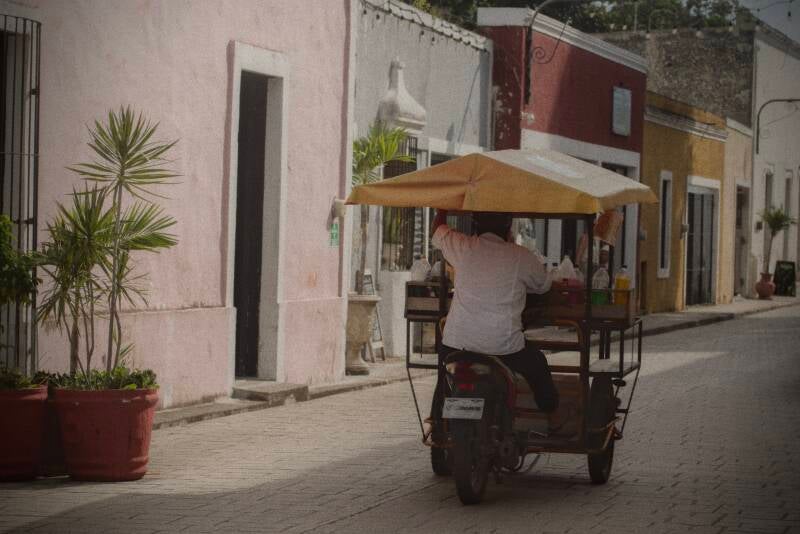
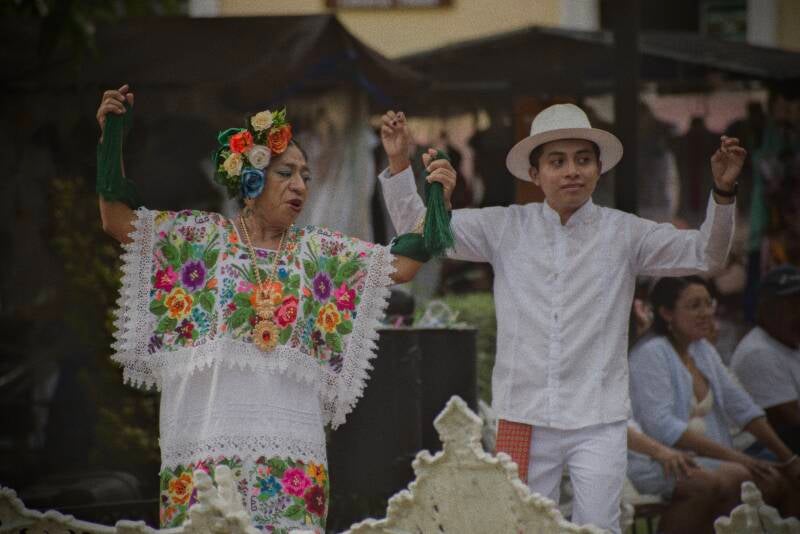
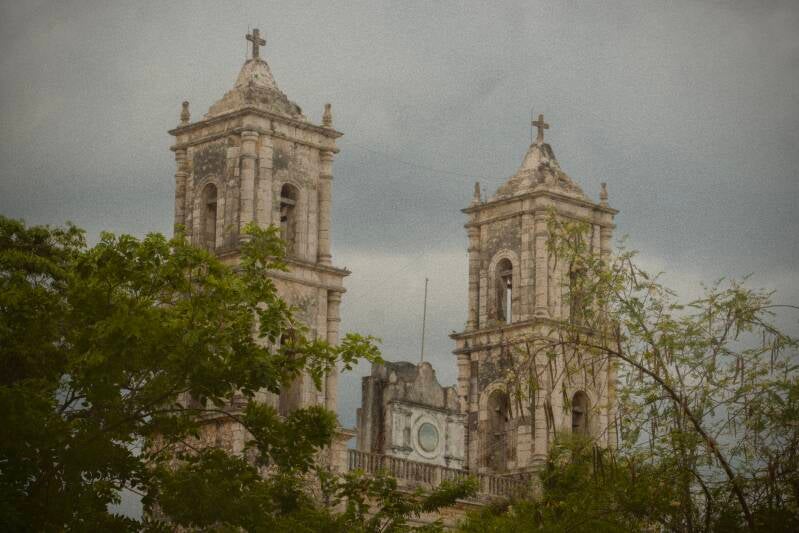
Valladolid has a completely different atmosphere from Cancún, Playa del Carmen and Tulum. It’s colourful, lively and very walkable around the centre, but it doesn’t feel like the entire town has been designed around tourism. There are locals going about their daily lives, small shops, markets, restaurants and colourful colonial buildings.
Make sure you spend some time simply walking around without a plan. My favourite places to explore included Centro de Valladolid, Calzada de los Frailes and the local markets. Calzada de los Frailes is particularly nice for photography, with colourful buildings and plenty of little shops and cafés along the street. There were so many charming coffee places I really loved.
And because apparently I can’t go anywhere without finding a market, I also spent some time around Mercado Municipal de Valladolid and the food market. If you want to try more local Mexican food without paying tourist prices, this is definitely where I’d look.
Also, You don’t even have to leave Valladolid to visit a cenote. Cenote Zací is located right in the middle of town.
Yes, an actual cenote. In the middle of the city.
The entrance fee was around 150 MXN when I visited, making it an easy addition to your Valladolid itinerary if you want somewhere to cool off. And considering the heatwave I was experiencing, I was very happy to discover that Valladolid had essentially installed a natural swimming pool in the middle of town.
Ek' Balam
Another archaeological site you can visit from Valladolid is Ek’ Balam. Compared with Chichén Itzá, Ek’ Balam is considerably quieter and generally receives fewer visitors.
The site dates back to the Maya civilisation and is known for its impressive Acropolis and detailed architectural decorations. If you’ve already travelled all the way to Valladolid and have more time, I’d definitely consider adding it to your itinerary. Especially if the idea of sharing an archaeological site with several thousand people isn’t your favourite activity.
Nighttime Wildlife
And now, something that probably won’t appear on most Valladolid itineraries:
Go looking for snakes.
The Yucatán Peninsula is surprisingly lush and has plenty of wildlife, so if you have your own car and you’re comfortable driving at night, you can explore some of the quieter roads around Valladolid after dark. Obviously, you need to be sensible. Don’t wander randomly into the jungle at night and start grabbing things because they look interesting.
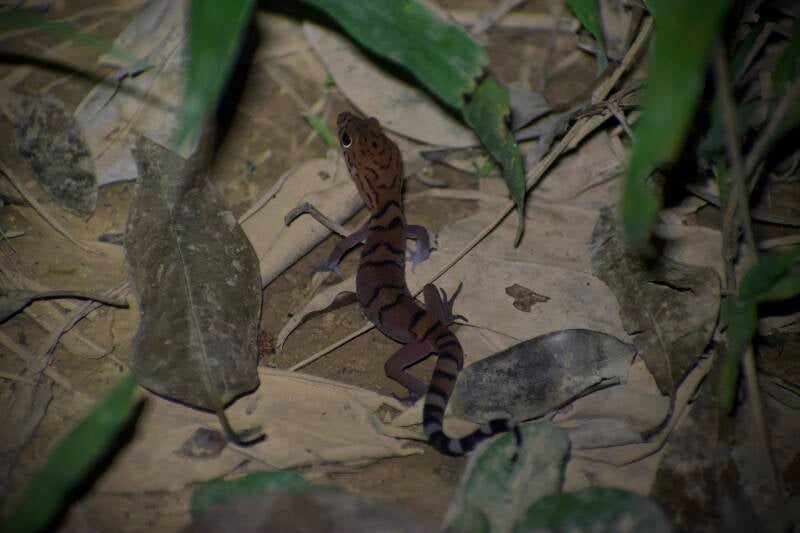
But driving slowly or walking through suitable areas can give you the chance to spot nocturnal wildlife. And if you’re lucky, you might find some of the impressive snakes that live in the Yucatán, including boas.
Because apparently my idea of a relaxing evening is driving around in the dark looking at the road edges hoping something with scales crosses in front of me. Normal people go for cocktails. I go herping.
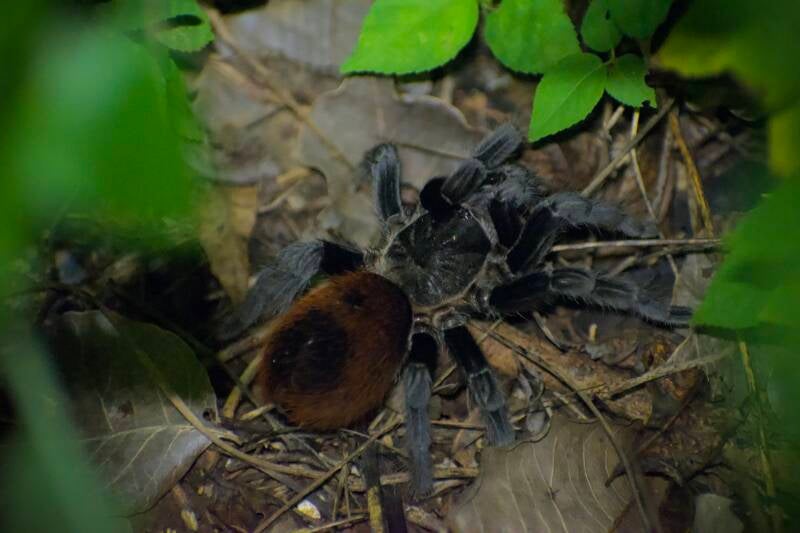
Unfortunately, I wasn't too lucky in the snake-department (except for finding smaller species and road-kills). Even though I saw some cool stuff, many tarantulas, I left kind of disappointed.


Final Thoughts
I originally came mainly because I wanted to visit Chichén Itzá. I wanted to see the archaeological site, tick another Wonder of the World off my list and then move on. Instead, Valladolid itself became one of my favourite stops in Mexico.
It’s colourful without feeling overly polished, busy without being completely overwhelmed by tourists and, most importantly, it still feels like a real town. And if you’re planning to visit Chichén Itzá, I genuinely think staying in Valladolid is a much better option than doing a rushed day trip from Cancún.
You get to wake up nearby, arrive at Chichén Itzá before the tour buses, explore while it’s cooler and quieter, and then return to a proper town rather than spending half your day sitting on a bus. Just learn from my mistakes and don’t book an eight-person dorm with AC only at night during a 40°C heatwave.
I came to Valladolid looking for ancient Maya ruins. I left with a Wonder of the World ticked off, approximately 47 litres of sweat lost and a newfound appreciation for air conditioning.
Create Your Own Website With JouwWeb