

Wildlife in Yucatán and Quintana Roo: What Can You See?
If you’ve read any of my other travel posts, you’ll probably know that I have a slight tendency to turn every holiday into a wildlife expedition. Normally, if I’m travelling somewhere, I’m researching animals before I even book the flights.
Where can I see them?
When is the best season?
What time should I get up?
Which obscure road should I drive down at 4:30 AM?
You get the idea.
Mexico was actually different. I spent three weeks travelling around Yucatán and Quintana Roo, but this wasn’t purely an animal-searching holiday. I had plenty of other things I wanted to do: visit Chichén Itzá, explore Valladolid, dive cenotes, relax on the islands, and see the whale sharks. And yet…
I still ended up seeing quite a lot of wildlife.
Some encounters were completely accidental. Others involved a little bit of searching. And a few involved significantly more effort than any normal person would consider reasonable. Especially the flamingos.
During my three weeks in Mexico, I explored beaches, mangroves, cenotes, tropical forests, archaeological sites and Caribbean waters across Yucatán and Quintana Roo. I also spent some time underwater, where the wildlife was obviously very different from what I was finding on land. The result was a surprisingly good little wildlife list.
And that’s what I want to share here: the wildlife I actually saw during three weeks of travelling around the Yucatán Peninsula, without making wildlife the sole purpose of the trip. So if you’re planning a Mexico itinerary and wondering what animals you might encounter along the way, this should give you a realistic idea of what you can see.
Some of these animals are incredibly easy to find. Some require a little more luck. Some are seasonal. And some require you to be the kind of person who sees a patch of mangrove and thinks:
“I wonder what’s in there.”
Wildlife in Mexico’s Yucatán Peninsula
The Yucatán Peninsula is actually a fantastic region for wildlife because you’re moving through a ridiculous number of different habitats within a relatively small area. You’ve got:
- Caribbean beaches and shallow coastal waters
- Mangrove forests
- Coastal lagoons and wetlands
- Tropical and semi-deciduous forests
- Cenotes and underground freshwater systems
- Coral reefs
- Seagrass beds
- Mudflats and sandbanks
- Protected areas such as Yum Balam
That habitat diversity means you can go from looking for flamingos in a mangrove one day to swimming with whale sharks the next. The Yum Balam Wildlife Protection Area, which includes the area around Holbox, is particularly interesting because it combines rainforest, mangroves, coastal dunes and wetlands and provides habitat for a huge variety of wildlife, including sea turtles, dolphins, whale sharks and numerous bird species.
And if you’re interested in birds, Yucatán is particularly rewarding. The region has recorded hundreds of bird species, including both resident and migratory species, while the coastal wetlands are especially important for flamingos and other waterbirds.
So even if you aren’t specifically looking for wildlife, keep your eyes open. You never quite know what’s going to appear.
Birds
- Osprey (Pandion haliaetus)
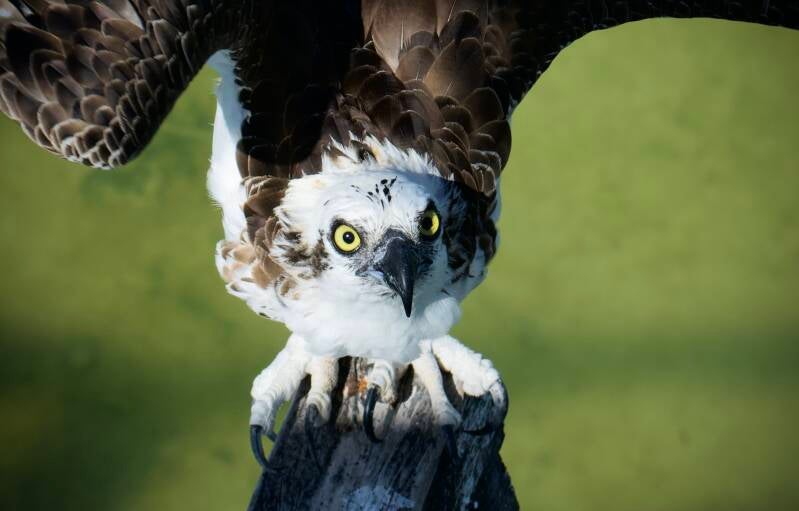
- American flamingo (Phoenicopterus ruber): If there was one animal that completely took over my Holbox experience, it was the American flamingo.
On Holbox, I saw them around Punta Cocos and Punta Mosquito, where the shallow waters and mudflats provide excellent feeding habitat during the months April-October.
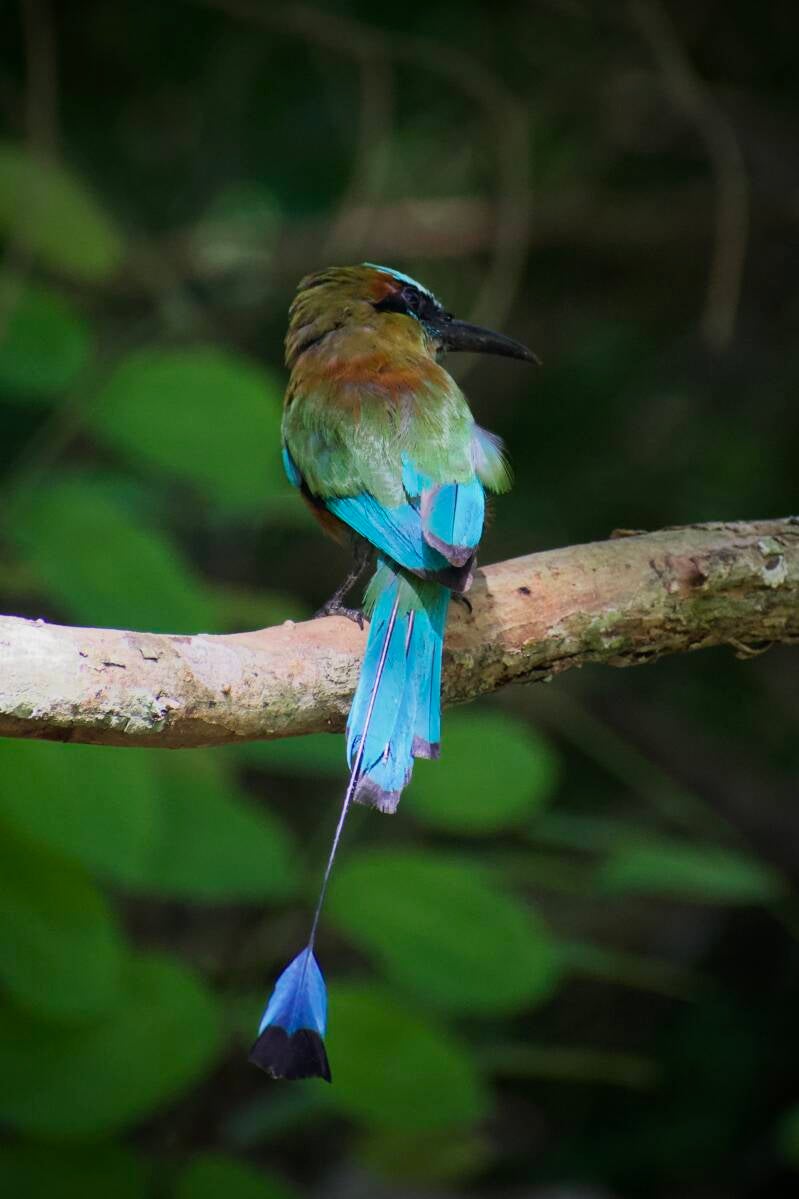
-
Turquoise-browed motmot (Eumomota superciliosa): Often seen around the cenotes in Tulum or Chichén Itzá in the morning.

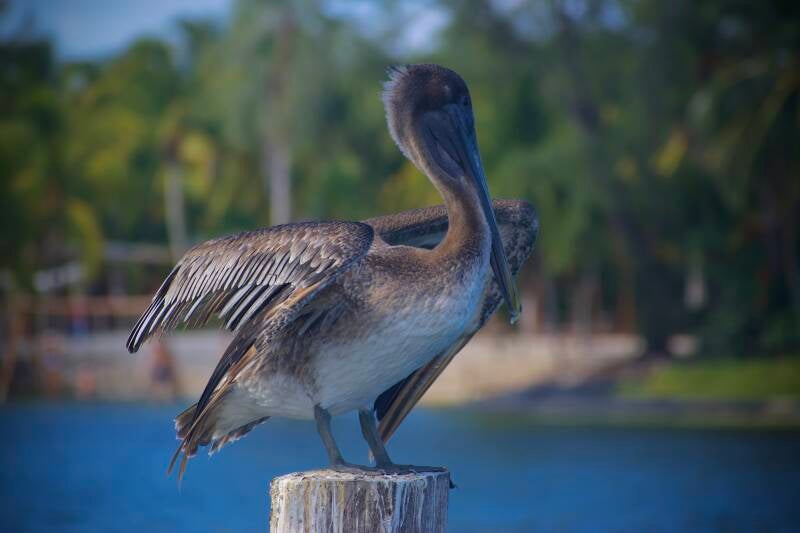
- Brown pelican (Pelecanus occidentalis): Seen around coastal areas such as Holbox or Isla Mujeres.
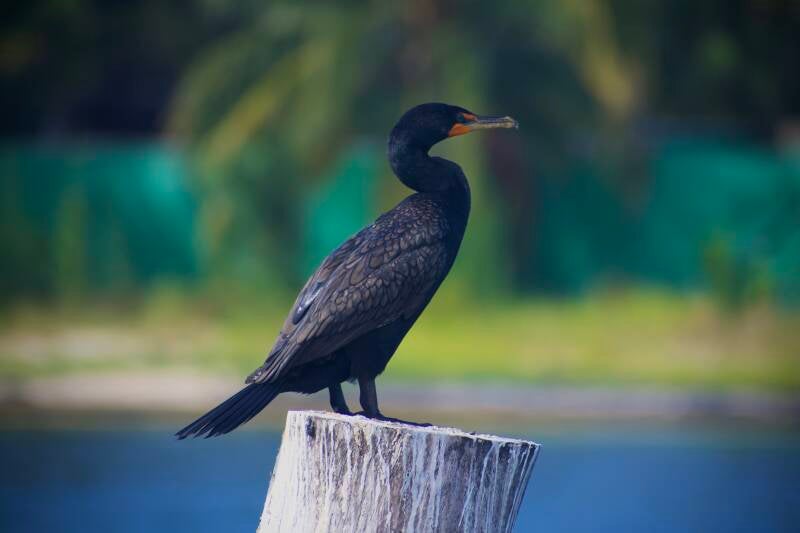
- Double-crested cormorant (Nannopterum auritum)
- Royal tern (Thalasseus maximus)
- Laughing gull (Leucophaeus atricilla)
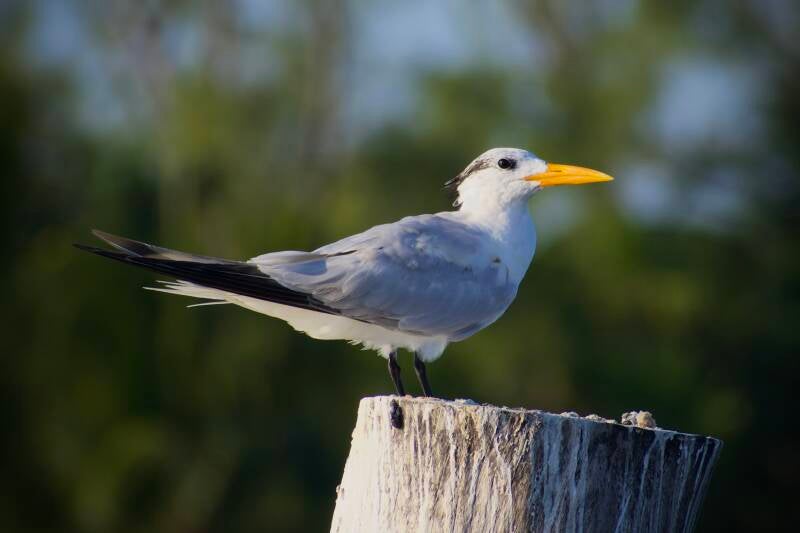
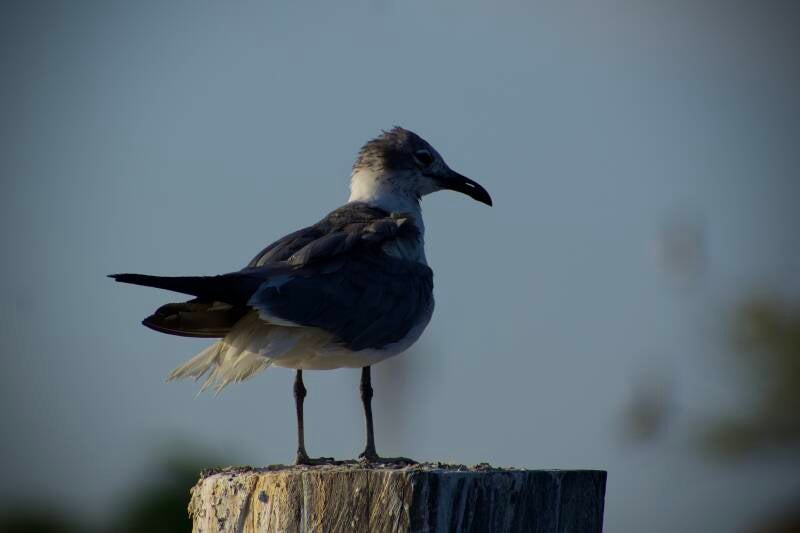
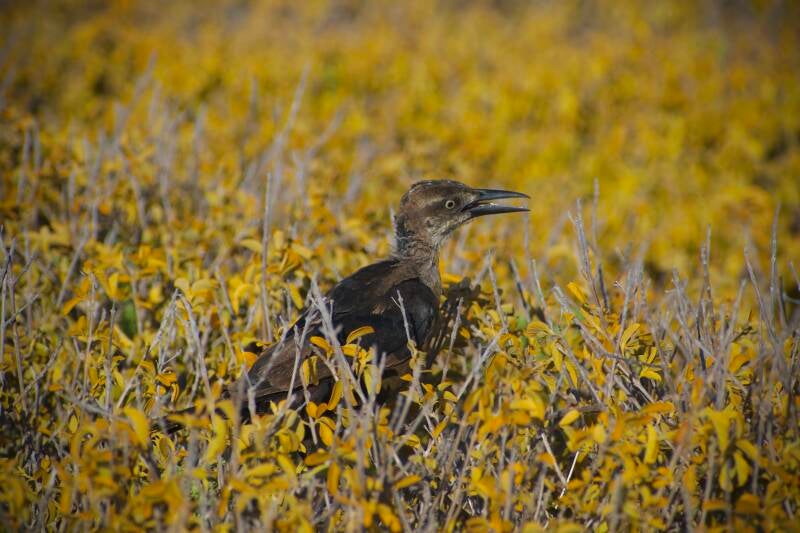
- Great-tailed grackle or Mexican grackle (Quiscalus mexicanus)
- Great Kiskadee (Pitangus sulphuratus)
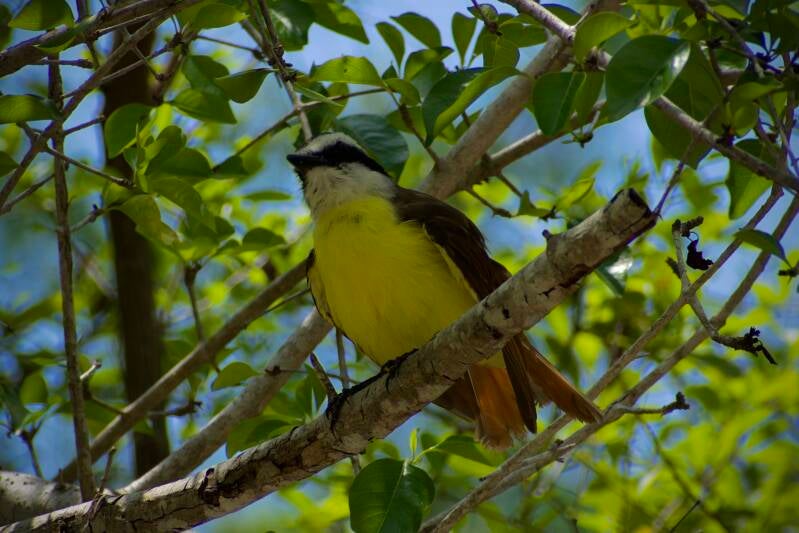
- Black vulture (Coragyps atratus)
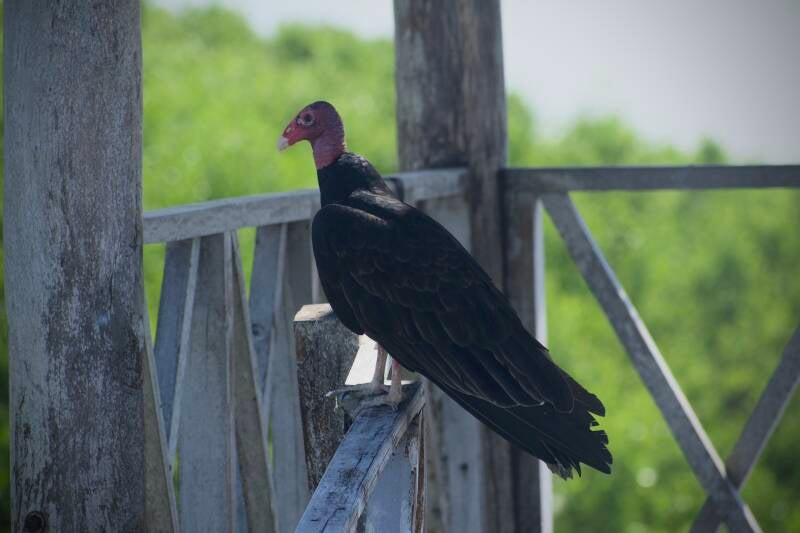
- Turkey vulture (Cathartes aura)

- Great Blue Heron (Ardea herodias occidentalis)


- White ibis (Eudocimus albus): juvenile

- Buff-bellied hummingbird (Amazilia yucatanensis)
- Tropical mockingbird (Mimus gilvus)


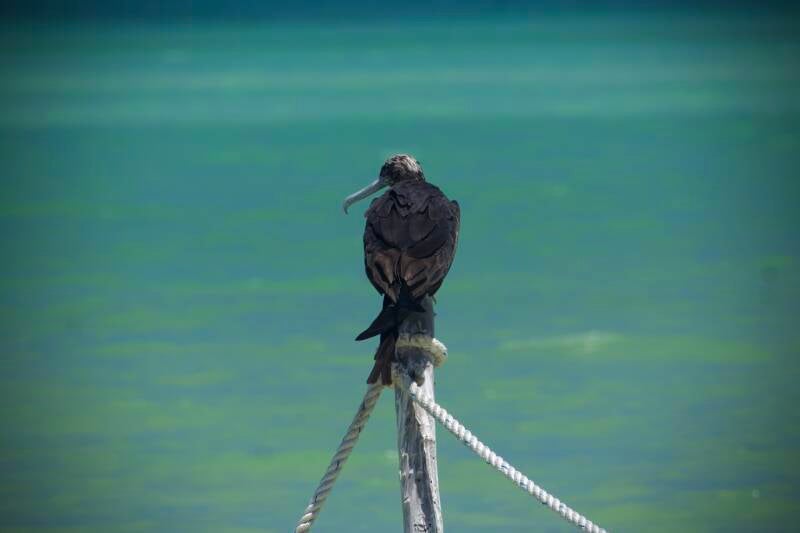
- Magnificent Frigatebirds (Fregata magnificens)
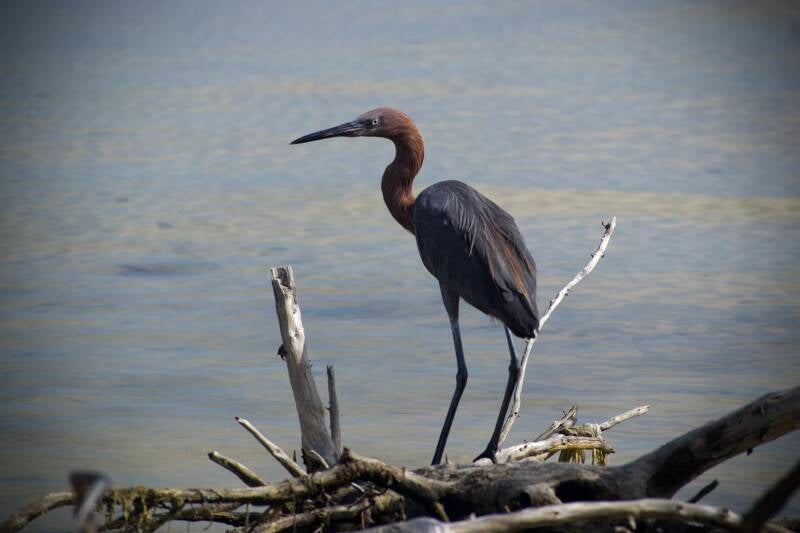
- Reddish egret (Egretta rufescens)
- Mangrove swallow (Tachycineta albilinea)
- Cinnamon hummingbird (Amazilia rutila)


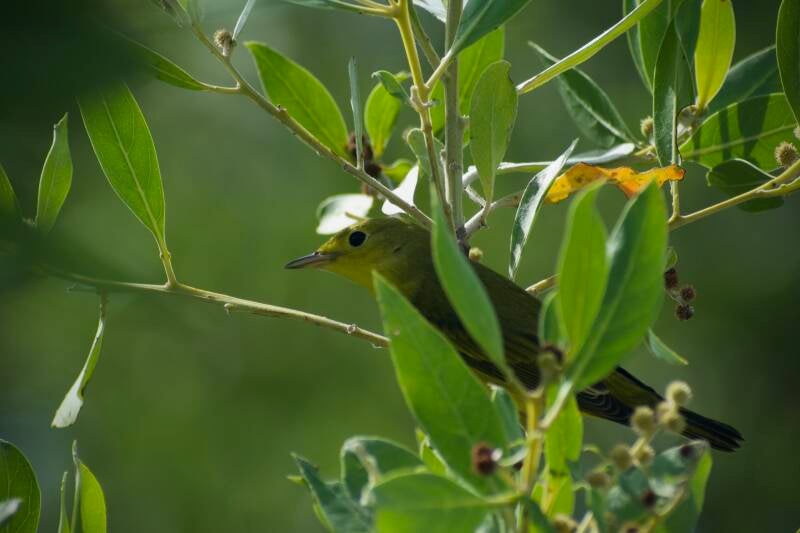
- American yellow warbler (Setophaga aestiva)
- Social flycatcher (Myiozetetes similis)

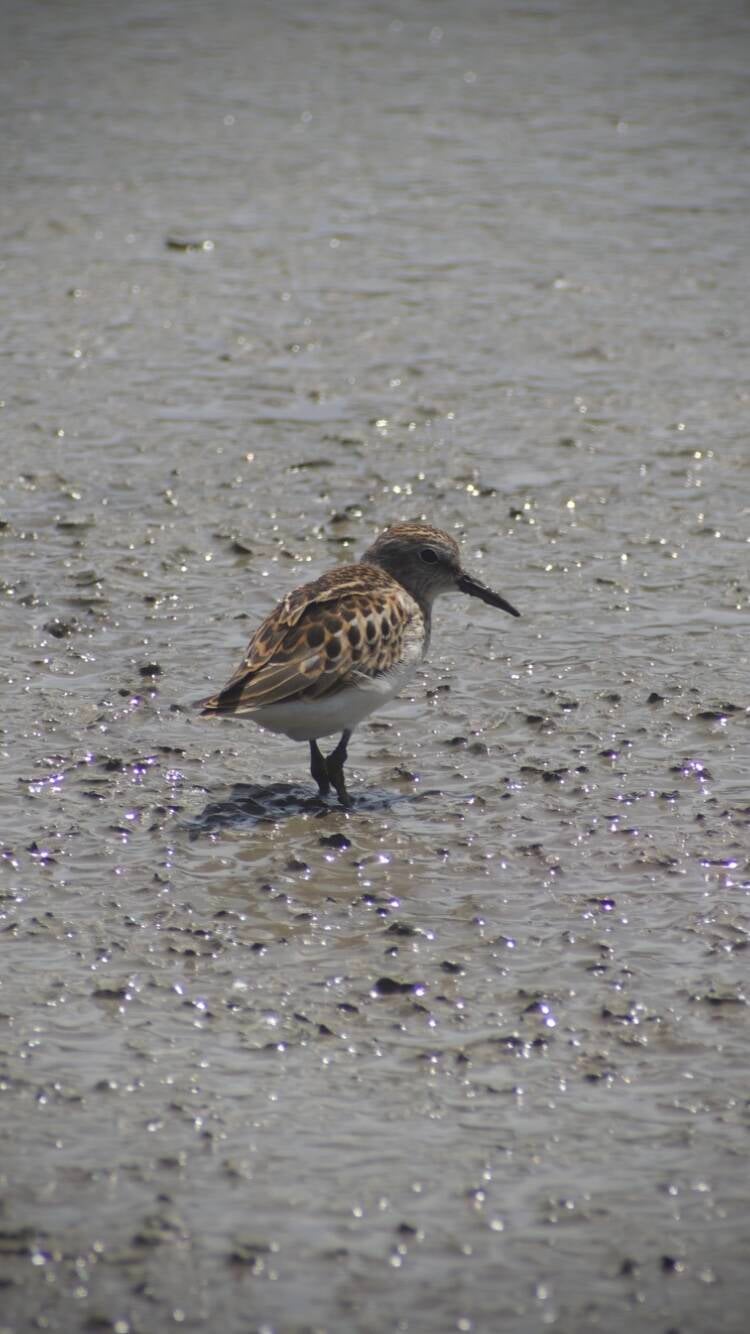
- Western sandpiper (Calidris mauri)
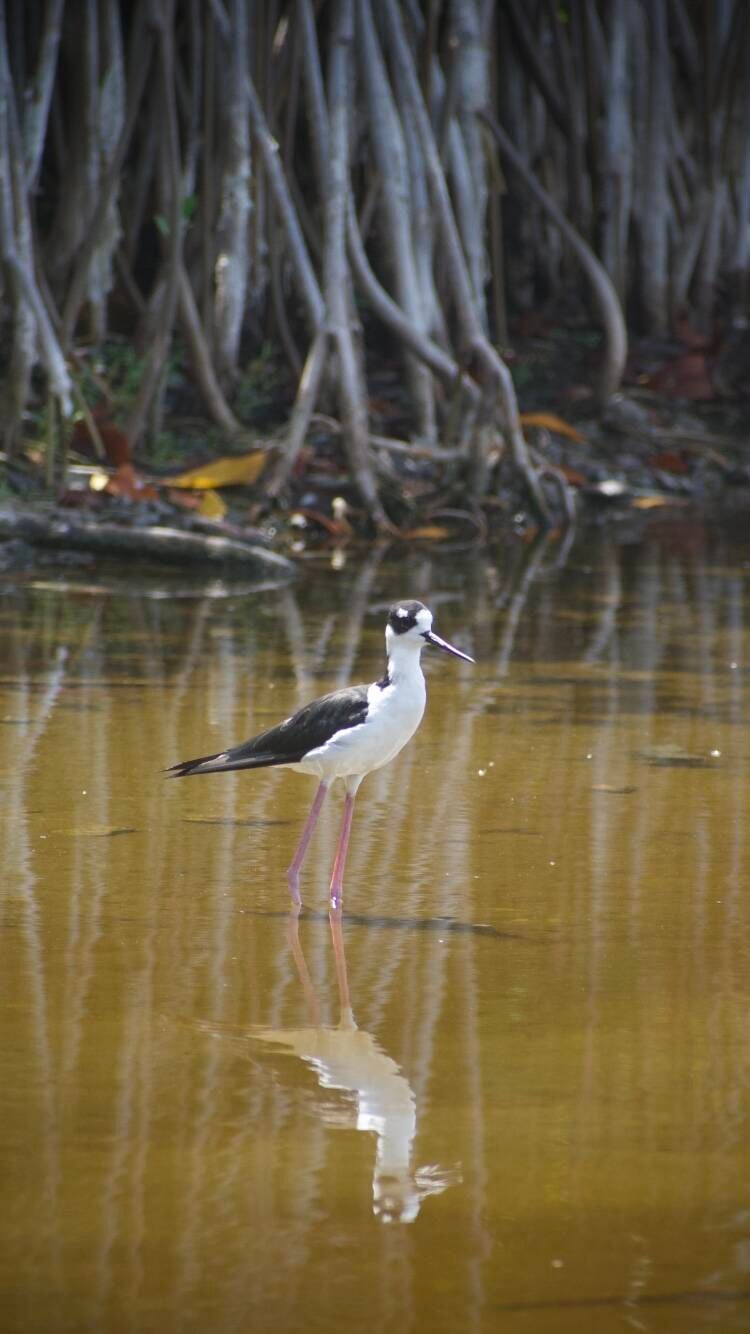
- Black-necked stilt (Himantopus mexicanus)
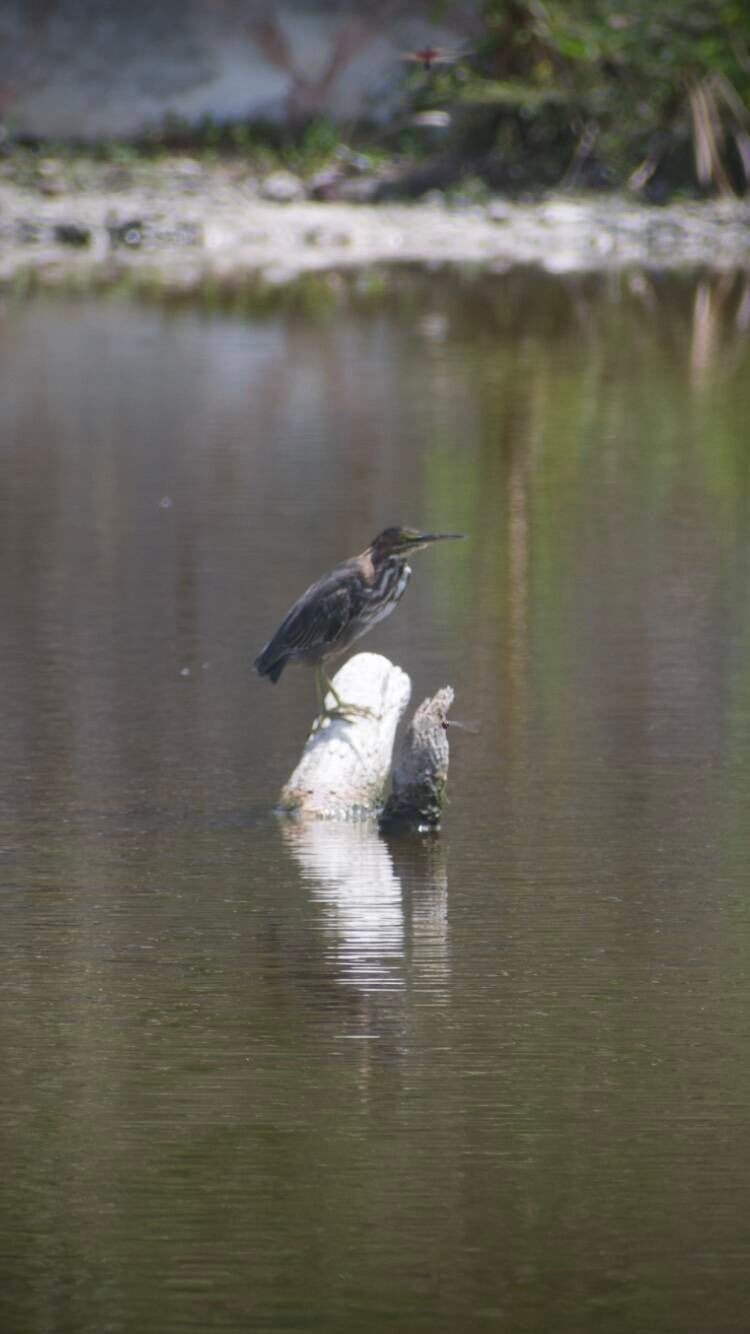
- Green heron (Butorides virescens)
Mammals
- Racoons (Procyon Iotor): Holbox is particularly interesting after sunset because many of the island’s quieter areas become much more active once the daytime crowds disappear. I started walking around with a torch looking for nocturnal wildlife and ended up seeing raccoons along the way.
- Opossums (Didelphis marsupialis): this was a nice surprise while in Valladolid. A mom and a baby were sitting on the sidewalk when I was walking back from my herping walk.


- Agouti (Dasyprocta punctata): saw this one roaming around Chichén Itzá.
- Yucatan squirrel (Sciurus yucatanensis): again, spotted around Chichén Itzá.


Reptiles & Invertebrates
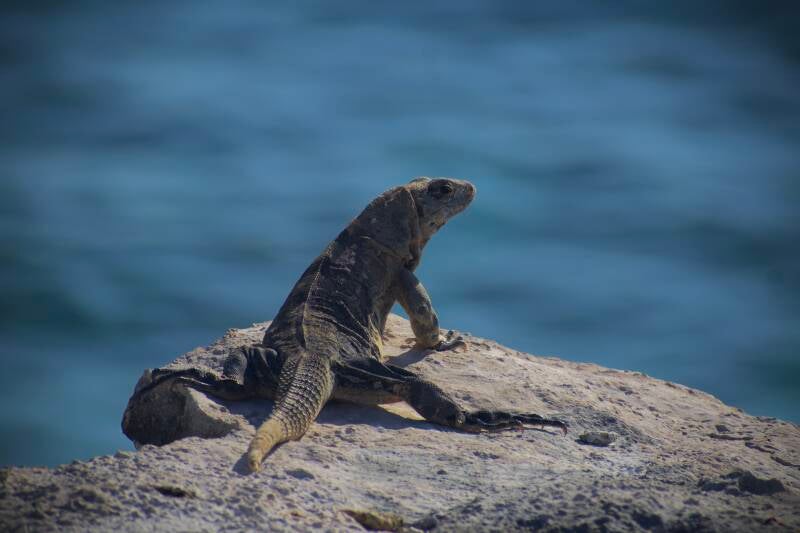
- Black iguana (Ctenosaura similis): you can find them literally everywhere.
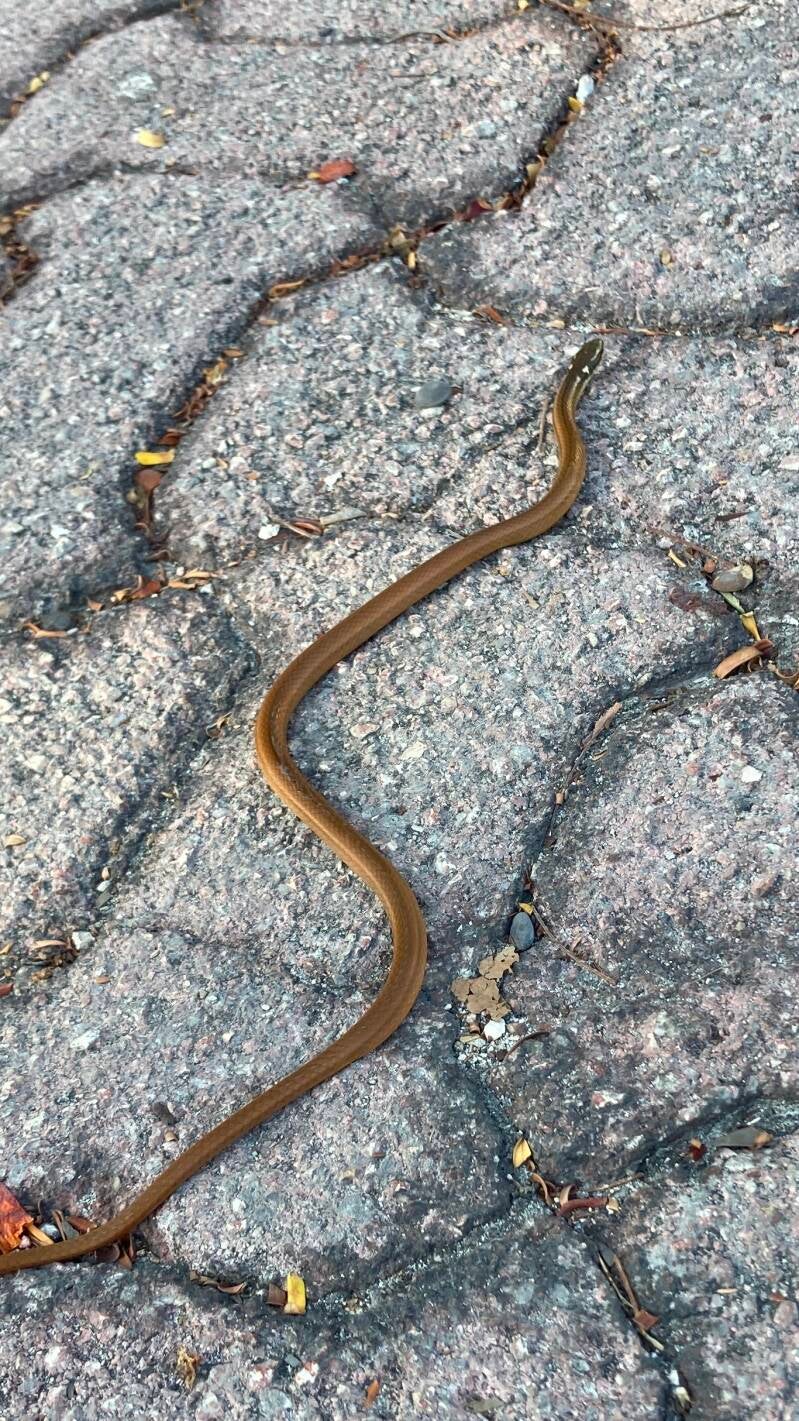
- Peninsula stripeless snake (Coniophanes meridanus): Found this one on accident on the streets on Isla Mujeres.
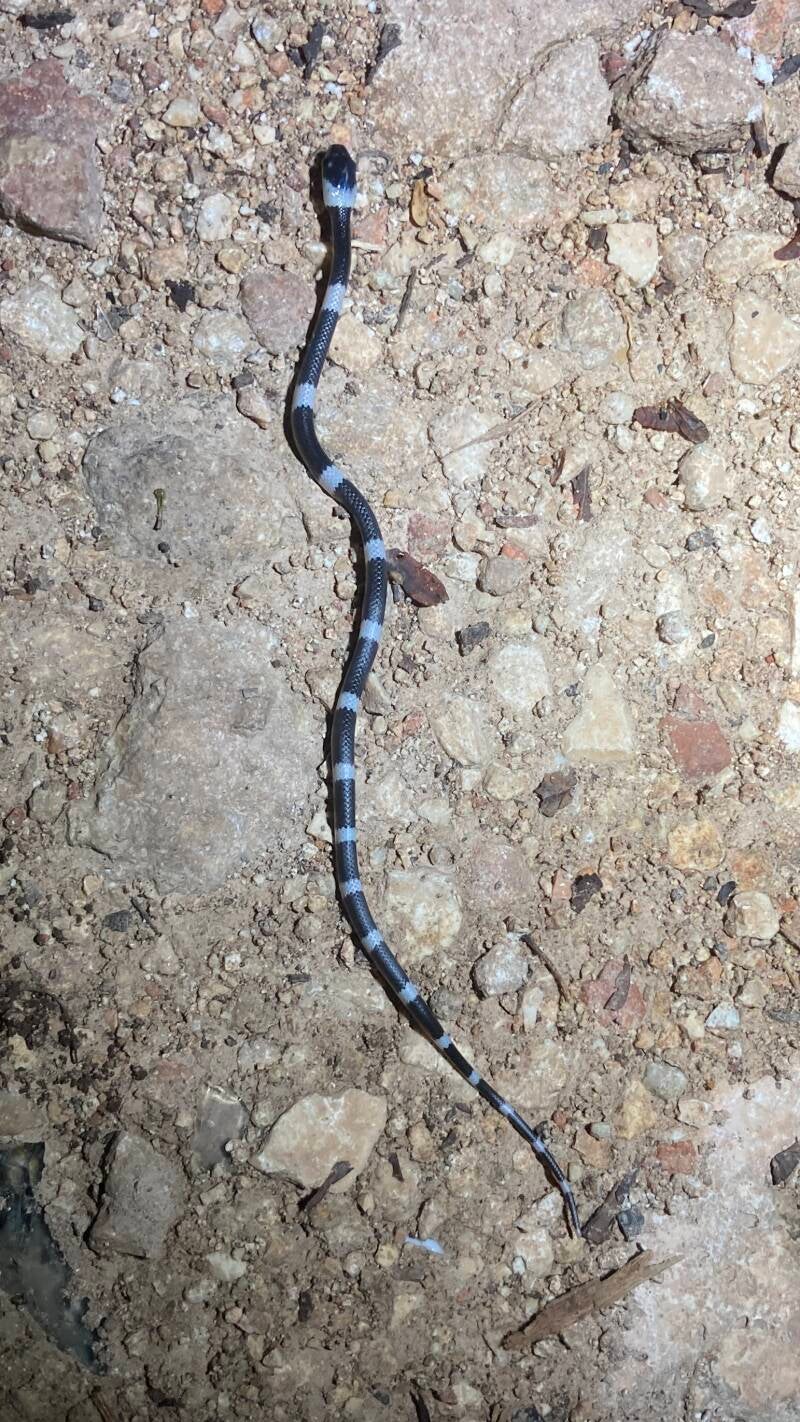
- Snail-eating thirst snake (Dipsas brevifacies): around Valladolid.
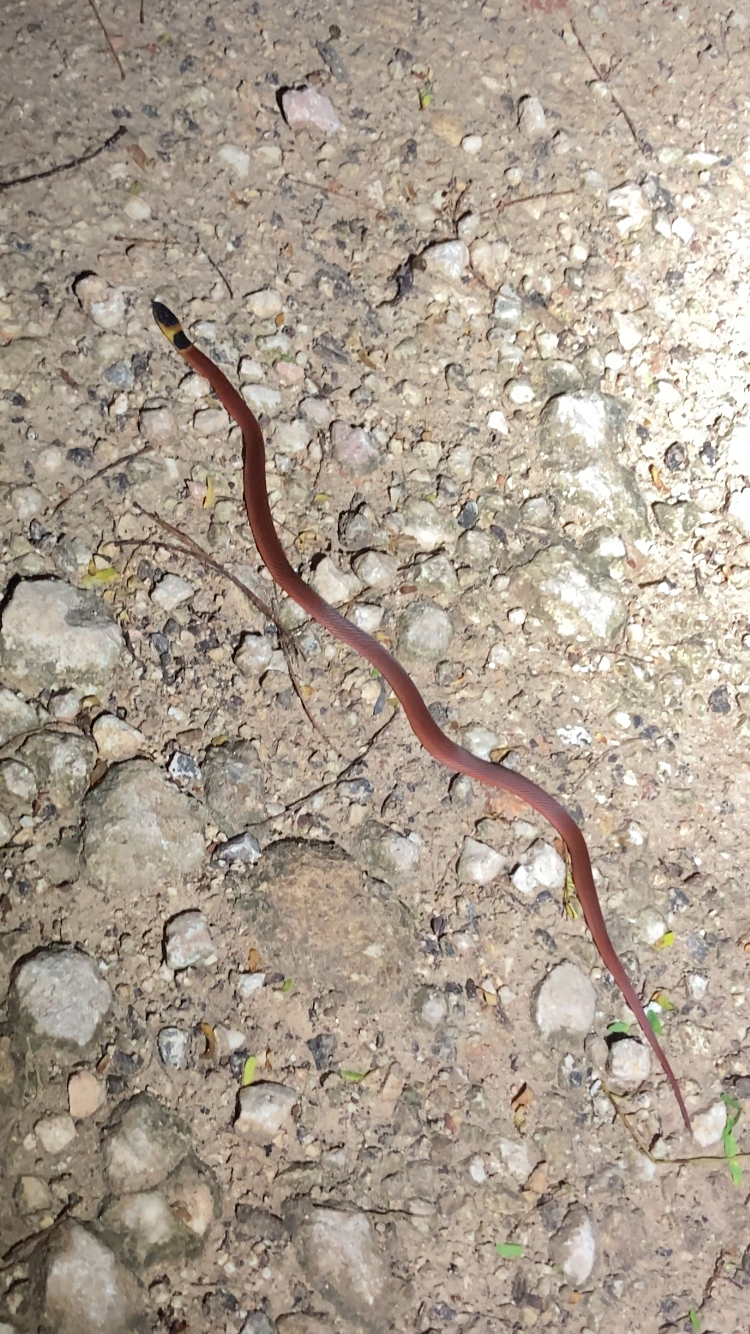
- Redback coffee snake (Ninia sebae): around Valladolid.
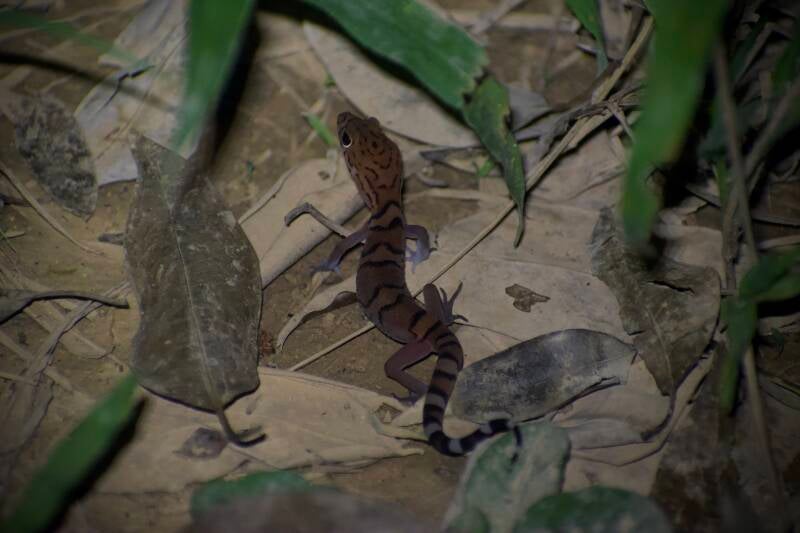
- Yucatán banded gecko (Coleonyx elegans)
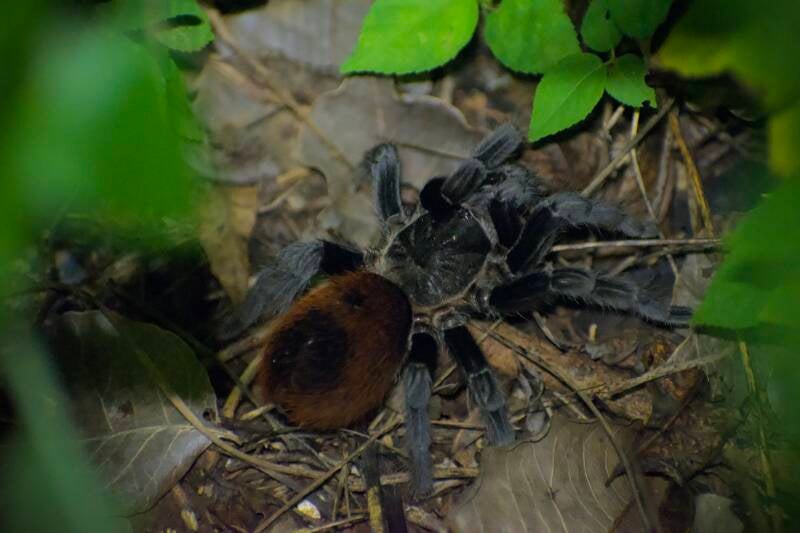
- Yucatán Rust-rump Tarantula (Tliltocatl epicureanus)
-
Horseshoe crab (Limulus polyphemus): Holbox is a good place to go search for gigantic horseshoe crabs in the mangrove areas near Punta Mosquito. They are especially active during the night.

- Slender brown scorpion (Centruriodes gracilis)
- Rhinocricidae


Underwater Life
Because obviously I couldn’t spend three weeks in Mexico without doing some diving. The Caribbean coast and the cenotes offered a completely different side of Mexico’s wildlife. Underwater, I encountered a variety of tropical fish, rays and other marine life, with the whale sharks being the obvious highlight.
The waters around the whale shark protected area are particularly productive because of the plankton-rich conditions that attract large numbers of whale sharks and other marine species.
Of course, I couldn’t spend three weeks in the Caribbean without spending some time underwater. Between diving, snorkelling and my whale shark trip, I got to see quite a bit of marine life around the Yucatán Peninsula. But because I could probably write an entire separate article just listing every fish, ray and random little creature I saw, I’m going to keep this section to the most notable underwater encounters I had during my trip.
These were the animals and experiences that stood out the most, either because they were particularly impressive, completely unexpected, or simply because I was very excited to see them.
And yes, there is one rather obvious highlight…
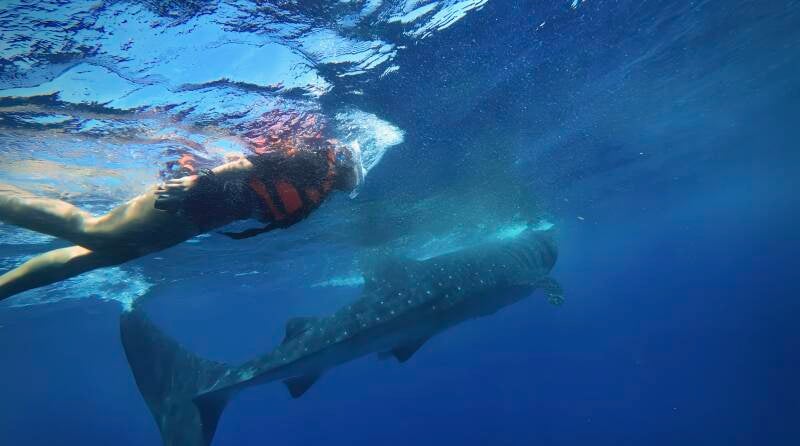
The whale sharks.
- Whale shark (Rhincodon typus)
- Atlantic manta ray (Mobula yarae)
- Spotted eagle ray (Aetobatus narinari)


- Hawskbill turtle (Eretmochelys imbricata)
- Green sea turtle (Chelonia midas)
- Nurse shark (Ginglymostoma cirratum)


- Southern stingray (Hypanus americanus)

- Caribbean spiny lobster (Panulirus argus)
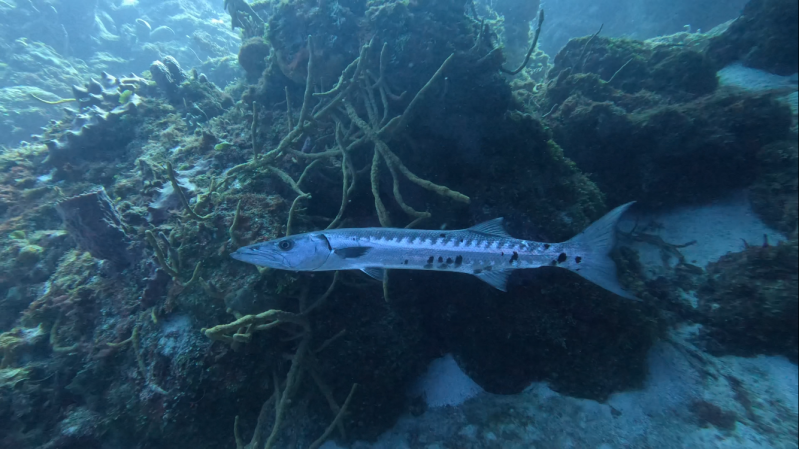
- Great Barracuda (Sphyraena barracuda)

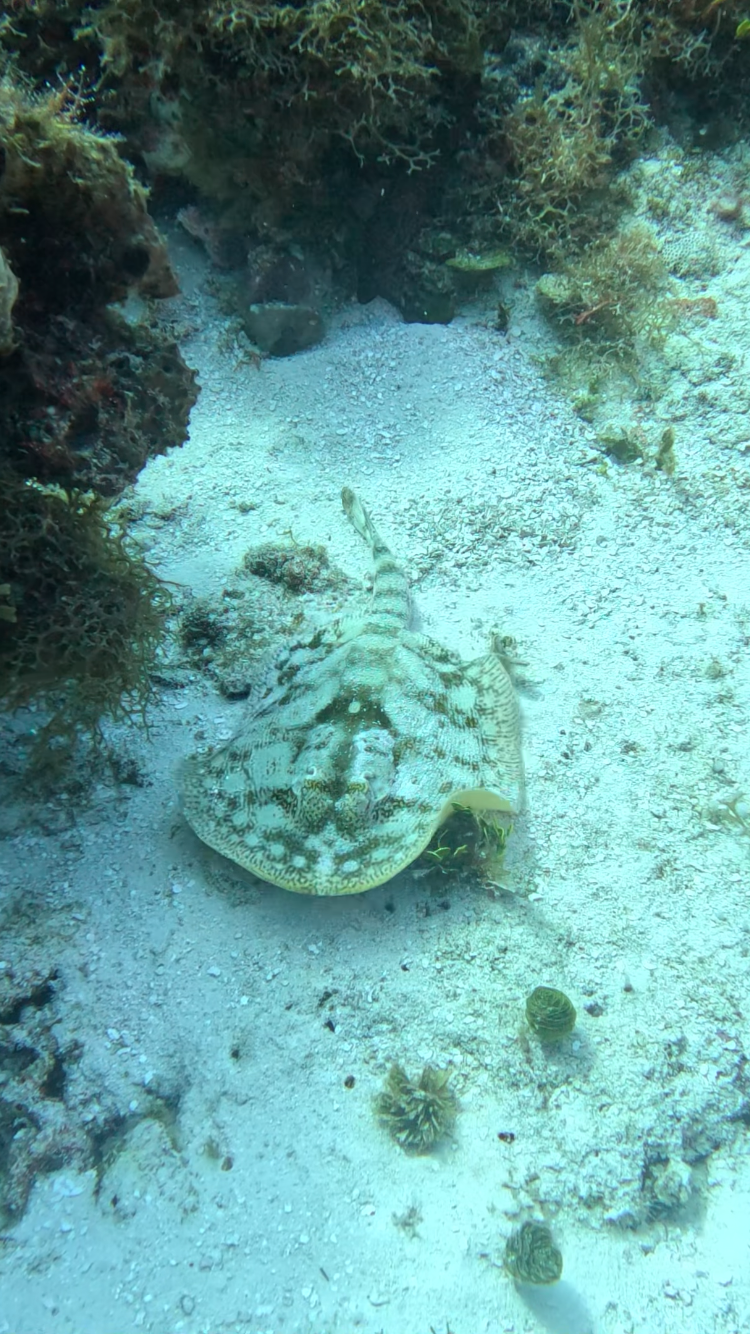
- Yellow stingray (Urobatis jamaicensis)
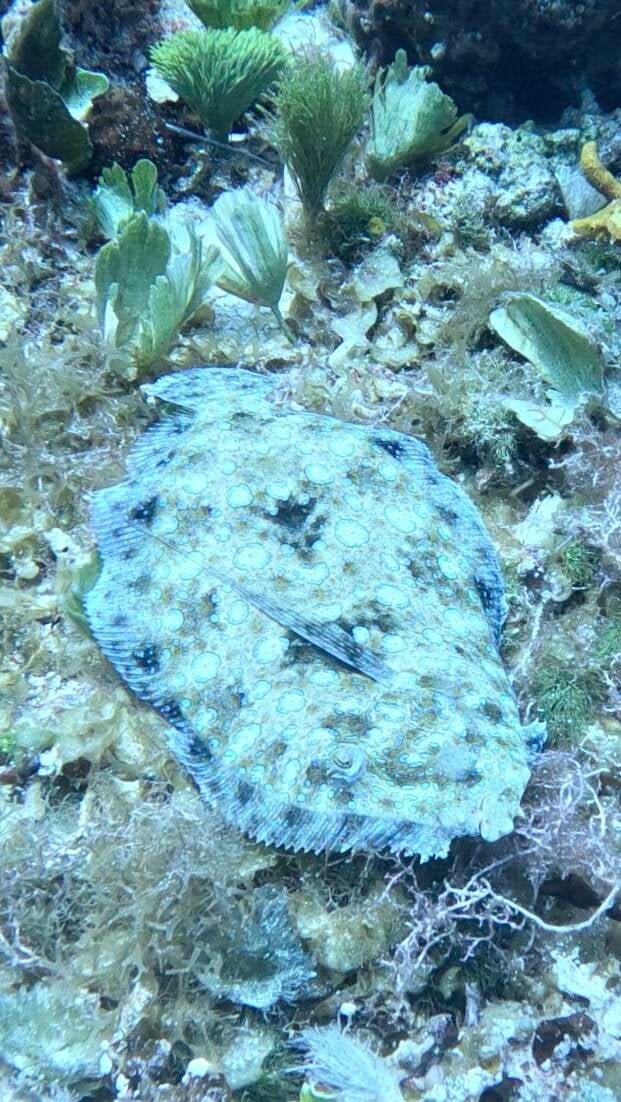
- Plate fish (Bothus lunatus)
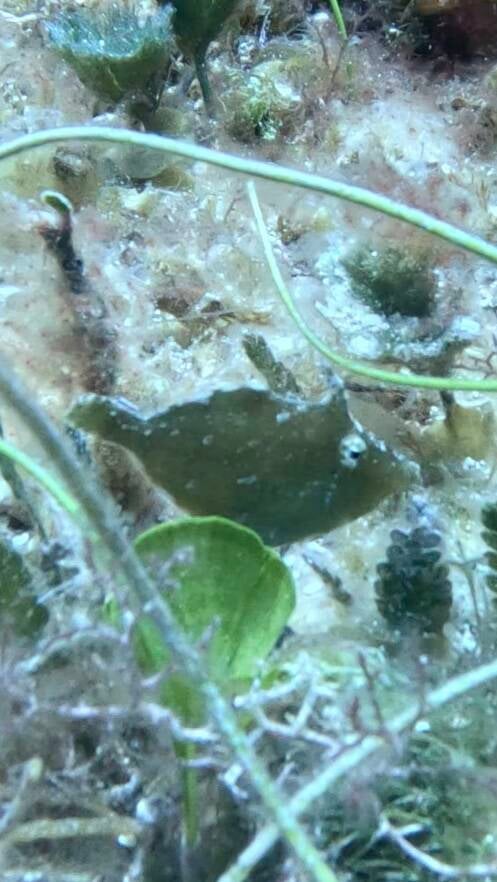
- Fringed filefish (Monacanthus ciliatus)
How Much Wildlife Can You Actually See in Yucatán?
The short answer? A lot
The Yucatán Peninsula has a huge variety of protected habitats, and destinations such as Holbox, Celestún, Río Lagartos and the coastal wetlands are particularly interesting for birdwatching and marine wildlife. The region is especially good if you enjoy birdwatching, because you can find everything from flamingos and pelicans to raptors, waders, shorebirds and migratory species.
And if you’re more interested in marine wildlife, Quintana Roo gives you access to whale sharks, manta rays, sea turtles, dolphins, rays and tropical reef species. So you can essentially build your trip around whatever you’re interested in.
Create Your Own Website With JouwWeb