

Useful Information
South Africa had been on my list for a long time, and I finally got the chance to visit after quitting my job — not exactly planned, but definitely worth it.
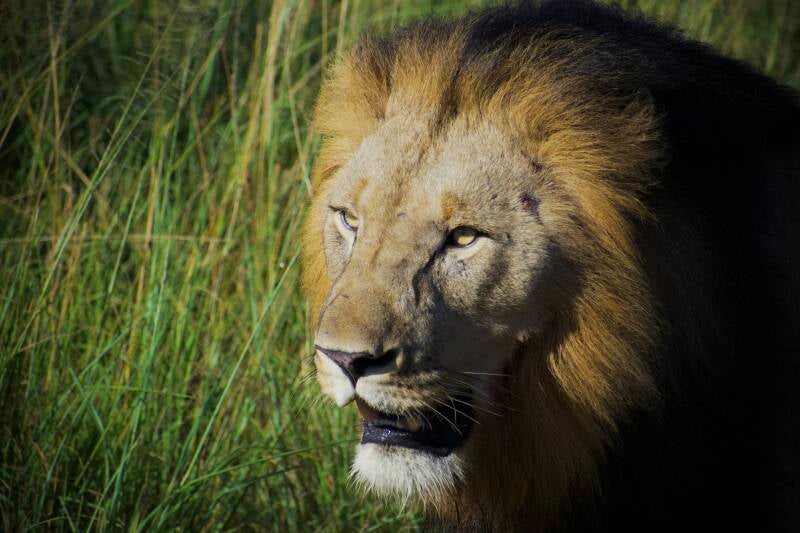
Since I only had about two weeks, I focused on the east coast in KwaZulu-Natal, which turned out to be a great choice if your goal is wildlife. Between safaris and diving, I managed to get exactly what I came for: seeing the Big 5, and honestly, more than I expected.
Entry Requirements
For most Europeans, entering South Africa is very straightforward:
-
You get 90 days (3 months) visa-free entry on arrival
-
Your passport should be valid for at least 30 days after departure and have blank pages
If you want to stay longer, visa runs are relatively easy:
-
You need to leave to a non-neighbouring country
-
Stay out for at least 5 days before re-entering
Internet & SIM Cards
While eSIMs are convenient, they are significantly more expensive than local options. A much better alternative is Vodacom:
-
You can buy a SIM card directly at the airport
-
I started with 10GB, which is enough to get going
Here’s the trick most people don’t know:
-
Create a Vodacom account
-
Top up airtime (not data directly)
-
Use that airtime to buy data bundles at much cheaper rates. For example: 150GB for ~600 rand
You can buy airtime in stores like:
-
SPAR
-
Vodacom shops
Important:
You usually can’t top up online with a foreign card, so buying airtime physically is the easiest workaround.

Safety
South Africa has a reputation when it comes to safety, and while some of it is justified, it’s also very location-dependent.
In areas like: Sodwana Bay, St. Lucia and Scottburgh, I personally felt completely safe and never had any issues.
That said:
-
Pickpocketing can happen
-
Be aware of your surroundings
-
Don’t flash valuables
-
Use common sense (like you would anywhere else)
- Don't go out at night too much (we avoided this)
I didn’t visit major cities, so I can’t speak much about those, but overall: be street smart, not paranoid
Getting Around
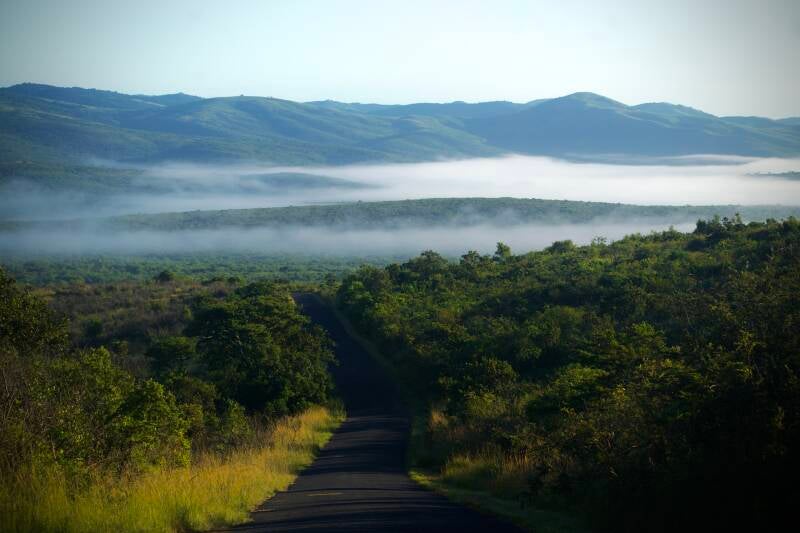
South Africa is very car-dependent, especially outside major cities. While there are local minibus taxis, I would not recommend using them:
-
Driving style is… chaotic
-
Not ideal with luggage
-
Safety can be questionable
Renting a car gives you:
-
Full freedom
-
Ability to self-drive safaris (huge money saver)
-
Flexibility to explore properly
However, driving is not always easy. Especially the road to St. Lucia is particularly dangerous.
-
People overtake constantly (even when it doesn’t seem possible)
-
On single-lane roads, you’re expected to shift slightly to the side to create space
-
Overtaking happens from both directions at the same time
- Roads are unlit at night and there are lots of invisible speed bumps
It sounds chaotic, and honestly… sometimes it is. Tips:
-
Don’t rush
-
Stay aware at all times
-
Stick to speed limits (police checks are common)
-
Avoid driving at night when possible
Also: try to avoid driving on Friday and Saturday nights due to drunk drivers, it’s a real issue.
In bigger towns/cities like Johannesburg, Uber is a safe and still affordable option to get around!
Cash & Card
South Africa is surprisingly card-friendly, even in more rural areas. I mainly used my WISE card and had no issues at all.
That said:
-
Always carry some cash as backup
-
Power outages (load shedding) still happen
-
When that happens, card machines may not work
So yes, card is king, but cash is your safety net.
Other Tips
-
Language: English is widely spoken, so communication is easy
-
Travel insurance: Not optional, just get it
-
Power outages: Bring a power bank everywhere
-
Sun exposure: The sun here is no joke, strong sunscreen is essential
-
Night safety: Even if you feel safe, avoid walking around at night
-
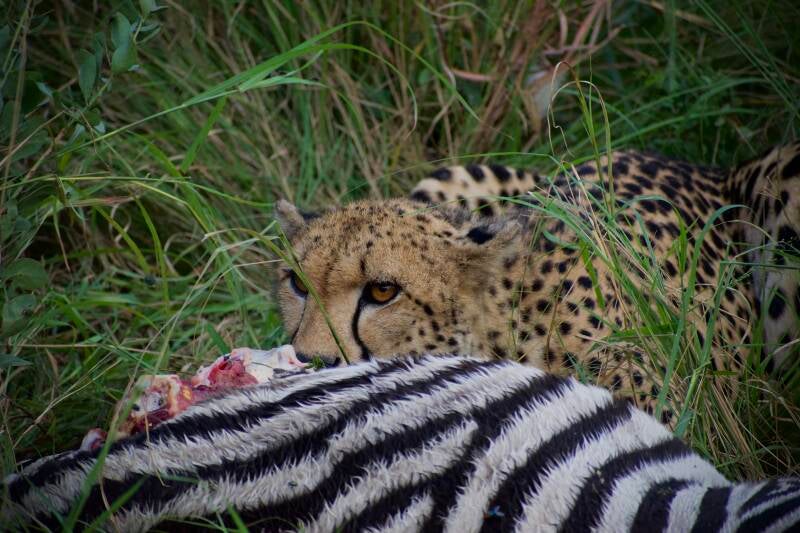
Wildlife awareness: Always respect animals and keep distance, this isn’t a zoo. With what happened to us in iSimangaliso, we truly understood that these animals are still wild!
- Don't leave any belongings in the car
Create Your Own Website With JouwWeb