

Working as a Dive Instructor
I started working in Malta as my first full-time dive instructor job. Coming from a marine biology background, I wanted to gain more experience teaching courses, guiding certified divers, and helping people feel comfortable underwater. Becoming a dive instructor seemed like the logical next step.
What I want to do with this article is show the reality of being a dive instructor. Not to discourage anyone from doing it, because there are genuinely amazing parts to the job, but because social media often only shows one side of it. You see the turtles, the wrecks, the sunsets, and the smiling group photos. What you don’t always see are the long workdays, the responsibility, the difficult students, the exhaustion, and the amount of work that happens before and after every dive.
So if you’re thinking about becoming a dive instructor, or you’re simply curious what the job is actually like behind the scenes, here’s my honest experience so far.
What Does an Instructor Actually Do?
People often imagine dive instructors spending their days diving, looking at fish, and living their best life by the ocean. While that can be partially true, there is so much more to the job than simply getting wet.
Of course, a large part of our work involves teaching courses, from Open Water certifications to specialty courses, and guiding certified divers around local dive sites. But a surprising amount of work happens outside the water. Before the first diver even enters the sea, equipment needs to be prepared, tanks need to be filled, paperwork needs to be completed, theory sessions need to be taught, vehicles need to be loaded, and dive plans need to be organised. After the dives, everything needs to be cleaned, stored, maintained, and prepared for the next day.
Then there’s customer service. As an introvert, this is probably the most exhausting part of the job for me. You’re expected to be socially switched on all day long. You are answering questions, solving problems, calming nerves, making jokes, dealing with complaints, and ensuring people have a great experience. Even when you’re tired, stressed, sunburnt, or carrying your fifth set of tanks, you’re still expected to be friendly and enthusiastic.
There is so much more to being a dive instructor than most people realise.
Teaching Open Water and Advanced Open Water Courses
One thing I realised very quickly is that teaching courses is my favourite part of the job. I enjoy it much more than guiding certified divers.
There is something incredibly rewarding about watching somebody learn to breathe underwater for the first time. You see nervous students arrive on day one convinced they can’t do it, only to watch them gain confidence dive after dive until they become certified divers. You spend a lot of time together during a course, and because diving is such a unique experience, you naturally build a bond with your students.
Teaching Open Water courses also taught me something unexpected: sometimes being an instructor feels more like being a psychologist than a diver. Every student is different. Some struggle with anxiety. Some panic. Some have mental blocks. Some learn quickly while others need more time. The challenge isn’t just teaching diving skills; it’s figuring out how each individual learns best and helping them work through whatever is holding them back. You learn a lot about people.
You also learn how mentally tiring it can be to constantly adapt your teaching style, stay patient, and remain encouraging even when progress is slow. But when that student who struggled on day one suddenly becomes comfortable underwater, or when you take them on their first real dive after certification, the feeling is incredible. I still remember looking up to my own Open Water instructor, and it feels pretty cool knowing some of my students might feel the same way about me.
The Advanced Open Water course is probably my favourite course to teach. The students already have some experience underwater, which means there is generally less stress involved. You have more freedom as an instructor and the dives themselves tend to be more enjoyable.
It’s fun helping students refine their buoyancy, improve their awareness, and experience deeper dives for the first time. Watching their expressions when I explain underwater navigation and hand them a compass always makes me laugh. Suddenly everyone becomes very concerned about cardinal directions.
Compared to Open Water, it’s a much more relaxed experience and often feels more like mentoring than teaching.
Guiding Certified Divers
Guiding fun dives has probably been the biggest learning curve for me. Before becoming an instructor, I had already guided plenty of dives during marine biology and conservation work. The difference was that most of those dives involved experienced divers conducting research on reefs. There were visual references everywhere, navigation was straightforward, and everyone generally knew what they were doing.
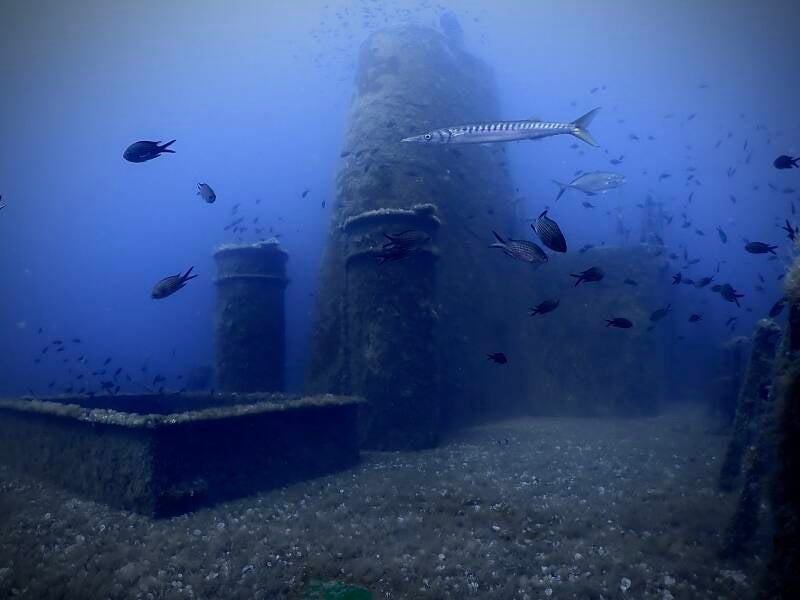
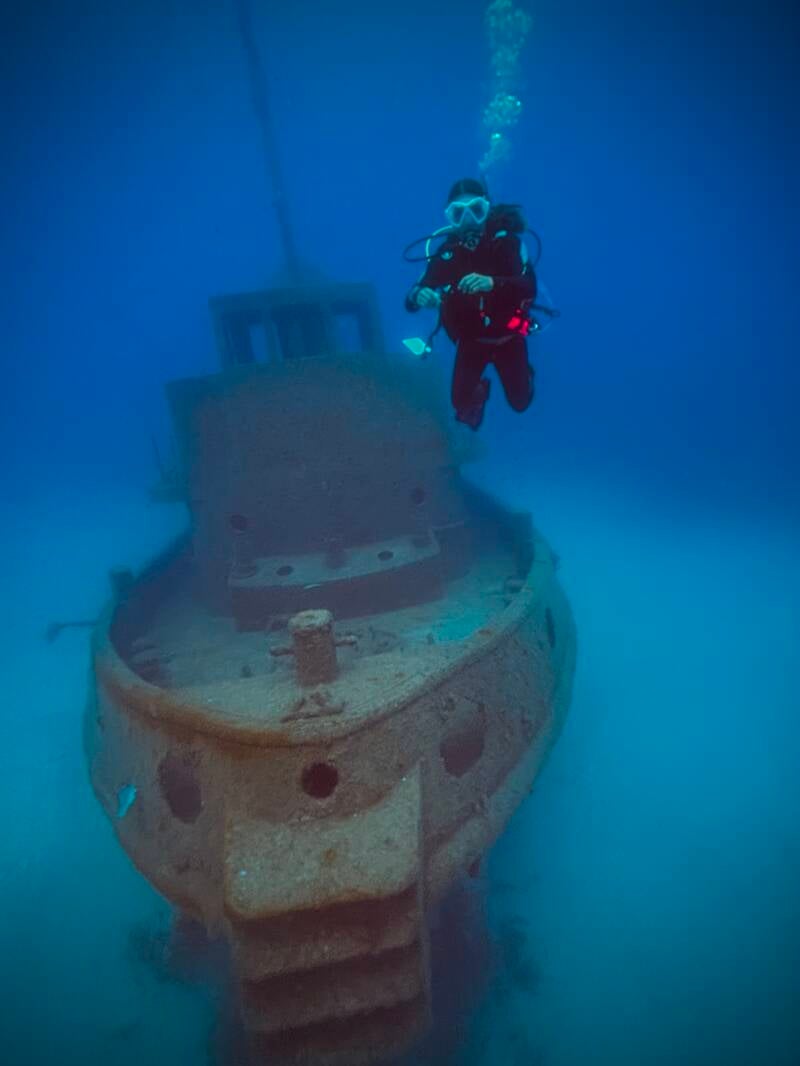
Malta is different. Many dives here are shore dives to shipwrecks sitting out in open water. To reach them, you often spend five to ten minutes swimming over blue water with nothing but sand thirty metres below you. As a guide, you need to know exactly where you’re going. You need to navigate accurately using a compass and natural references. You need to maintain your own buoyancy. You need to keep the group together. You need to monitor air consumption. You need to watch for signs of stress. You need to notice when somebody is struggling.
And all of this happens simultaneously. Some divers swim quickly. Some swim slowly. Some have excellent buoyancy. Others don’t. Some consume air rapidly. Some become nervous the moment they realise there is nothing beneath them except thirty metres of blue water.
The first time I saw a diver panic underwater was honestly terrifying. Their pupils dilated, they ripped their regulator out of their mouth, pulled off their mask, and bolted towards the surface. Moments like that remind you how quickly things can change underwater and how much responsibility comes with being the person leading the dive. It took me a while to become comfortable with that responsibility.

Try Dives: The Most Unpredictable Part of the Job
Try Dives are probably the most unpredictable dives we do. For those unfamiliar with them, a Try Dive allows someone with no certification to experience scuba diving for the first time under direct supervision. Many people arrive having never breathed underwater before. Some have barely spent time in the ocean. Some are scared before they even enter the water.
Your job is to take somebody from being nervous in waist-deep water to comfortably breathing underwater using scuba equipment.
Sometimes it happens in ten minutes.
Sometimes it takes an entire afternoon.
Some people immediately understand what to do and become comfortable almost instantly.
Others need constant reassurance every step of the way.
The emotional energy required for these sessions is surprisingly high. At least for me.
I genuinely care about the people I’m teaching, so when someone struggles, I feel invested in helping them succeed. When someone finally relaxes underwater after being terrified beforehand, it’s incredibly rewarding. I’ve had people cry after a dive because they never believed they would be capable of doing it. I’ve had people thank me repeatedly for being patient. Those moments make the difficult days worth it. But they also require a huge amount of energy, patience, and emotional investment.
The Good Days
There are plenty of good days. When everything clicks, being a dive instructor is one of the most rewarding jobs imaginable. A student finally overcoming their fear. A Try Diver confidently taking a giant stride into the water for their second dive. Seeing marine life you’ve never encountered before. Receiving a hug from a student after certification. Watching someone achieve something they genuinely thought was impossible.
Those are the days that remind me why I chose this path in the first place.
The Part Nobody Talks About: Instructor Burnout
Instructor burnout is very real. Dive instructor jobs are physically and mentally demanding. The days are long. Twelve-hour workdays are not unusual. You spend most of your time outdoors in the sun. You are constantly responsible for other people. You carry tanks. You solve problems. You teach. You guide. You answer questions. You stay positive. You manage expectations. You deal with difficult customers. You deal with management who think your best is never good enough. You deal with days where absolutely nothing seems to go right. And then you wake up and do it all again the next day.
After only a month of working as an instructor, my body eventually decided it had enough. I developed a severe ear infection that kept me out of the water for a significant period of time and came with high fevers. It was a reminder that no matter how much you love diving, your body still has limits. Sometimes the hardest skill to learn isn’t teaching or guiding. It’s learning when you need to rest.
Final Thoughts
Being a dive instructor is one of the most challenging jobs I’ve ever done, both mentally and physically. At the same time, it has taught me confidence, patience, communication skills, leadership, and how to remain calm under pressure.
Some days I’ve questioned why I signed up for it. Other days I’ve watched a student take their first breath underwater and remembered exactly why.
I’ve learned how to stand up for myself. I’ve learned that I’m a better teacher than I thought I was. And I’ve learned that despite considering myself an introvert, I actually have the social skills needed to do this job well.
If you’re considering becoming a dive instructor because you think you’ll spend every day swimming with turtles and sharks, you might be surprised. If you’re considering it because you enjoy teaching, helping people grow, solving problems, and don’t mind long days, wet clothes, and occasionally questioning your life choices while carrying tanks in 35°C heat, then you might actually love it.
Just don’t go into it with too many expectations. And definitely don’t expect to get rich doing it.
Create Your Own Website With JouwWeb